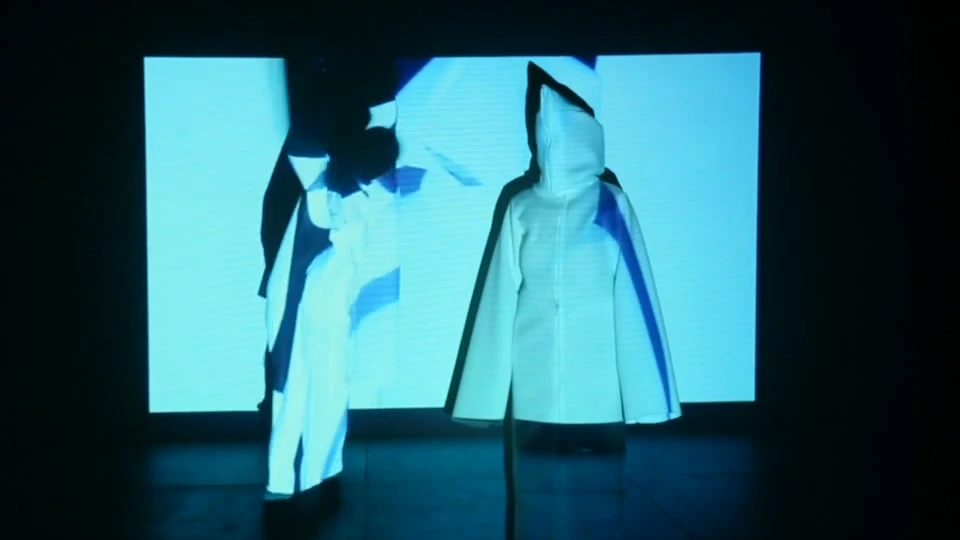
2015↗
Hamlet’s Mirror
Performers, projections and screens reflect one another as Hamlet is broken into shifting fragments.
Selected works2016 / Proposal for four-screen projection, live performance and real-time video
From one screen to a four-sided enclosure, extending the displacement between audiences, performers and images.
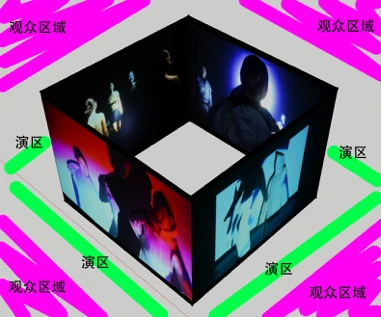
The proposal dated 5 September 2016 is signed by He Fa and Zhang Aoshuang. Its team introduction states that they founded FakingAosome in 2015 to explore theatre, the internet and visual language. Hamlet’s Mirror is identified as the group’s first project, developed at P4 Theater in Beijing between June and December 2015.
The document describes the 2015 first version as using one screen, one performer, one projector and one video camera. The new proposal encloses a space with four screens, marking audience and performance areas in pink and green. It retains an eight-act structure to be realized through live action and real-time projection.
The authors treat the body’s interruption of projection as a change of stage and an image projected onto a body as another space. The four-screen proposal transfers displacement within an image to relationships between screens, nesting the person, the image and the viewing position within one another.
The document is explicitly presented as a proposal for the Third CAFAM Biennale and includes a spatial rendering, implementation requirements and an equipment budget. It establishes a proposed expansion in 2016, without by itself proving realization at the biennale.
A separately retained four-page “Theory Theatre” proposal is signed by Zhang Aoshuang and He Fa on its final page and dated 10 August 2016. Page 3 proposes an enclosure of four screens, with audience and performance areas marked in pink and green respectively. It is a separate document from the CAFAM proposal bearing the signed date 5 September 2016. The documents should be cited separately: 10 August is not the signed date recorded in the latter, nor does this evidence establish the CAFAM proposal’s actual submission date or the exhibition’s realization.
Archival document review · 30 September 2026. Source: the four-page “Theory Theatre” proposal, pp. 3–4, signed and dated 10 August 2016. English is an editorial translation; “Theory Theatre” translates 理论剧院.
A page-by-page comparison shows that the five-page CAFAM proposal signed and dated 5 September 2016 adds an introduction to FakingAosome and descriptions of four projects to the four-page “Theory Theatre” proposal dated 10 August. It retains the spatial diagram of an enclosure formed by four screens. The added introduction places Hamlet’s Mirror in the context of the team’s other work. Both documents are signed by He Fa and Zhang Aoshuang; the textual revisions and the reuse of the diagram are not evidence that two exhibitions were realized.
Archival document comparison · 30 September 2026. Sources: the four-page “Theory Theatre” proposal dated 10 August 2016 and the five-page proposal for the Third CAFAM Biennale dated 5 September 2016. These are the dates recorded with the signatures. English is an editorial translation.
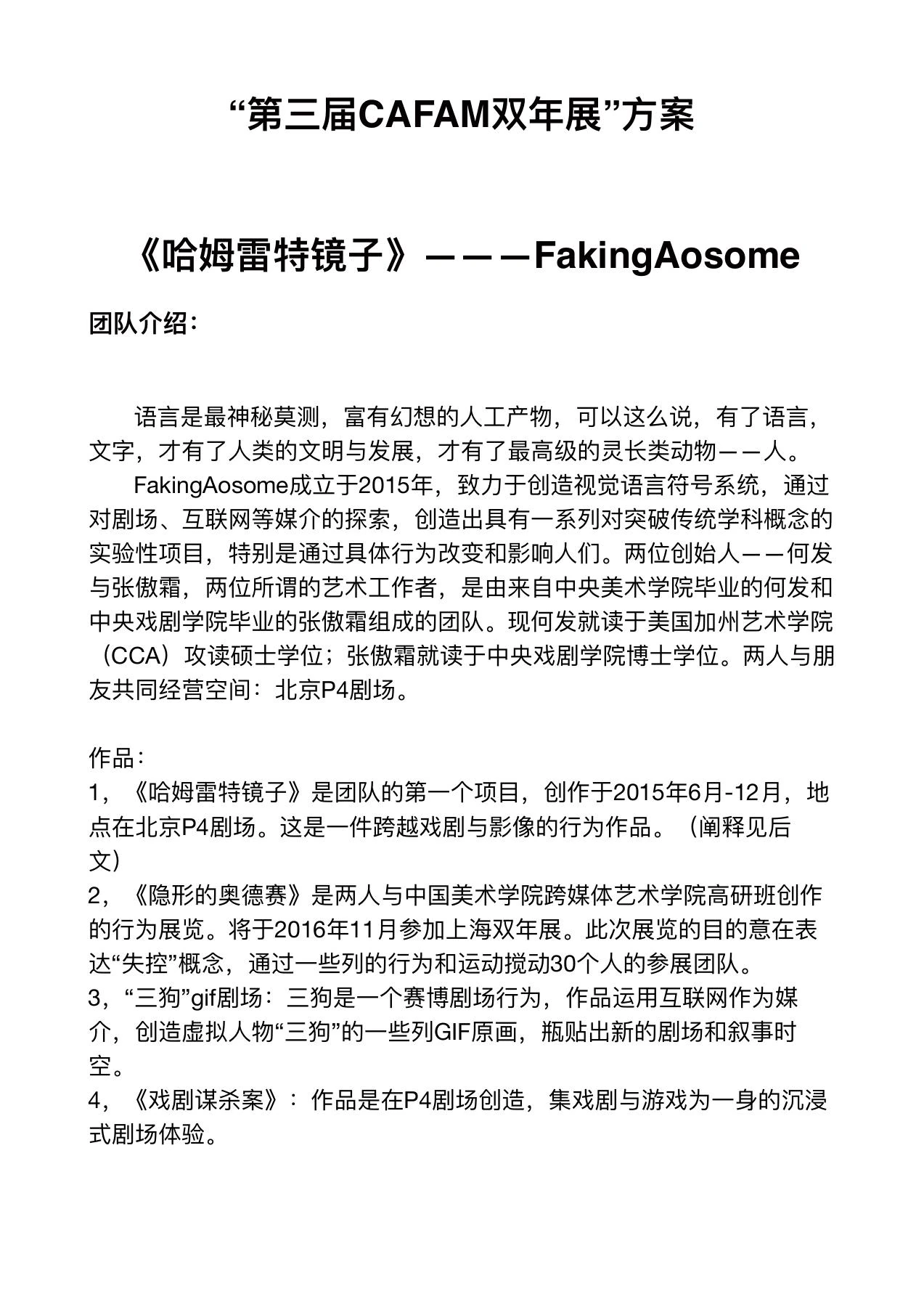
Prepared from original documents retained by the artist. English text is a translation for this site.
Performers, projections and screens reflect one another as Hamlet is broken into shifting fragments.
Selected works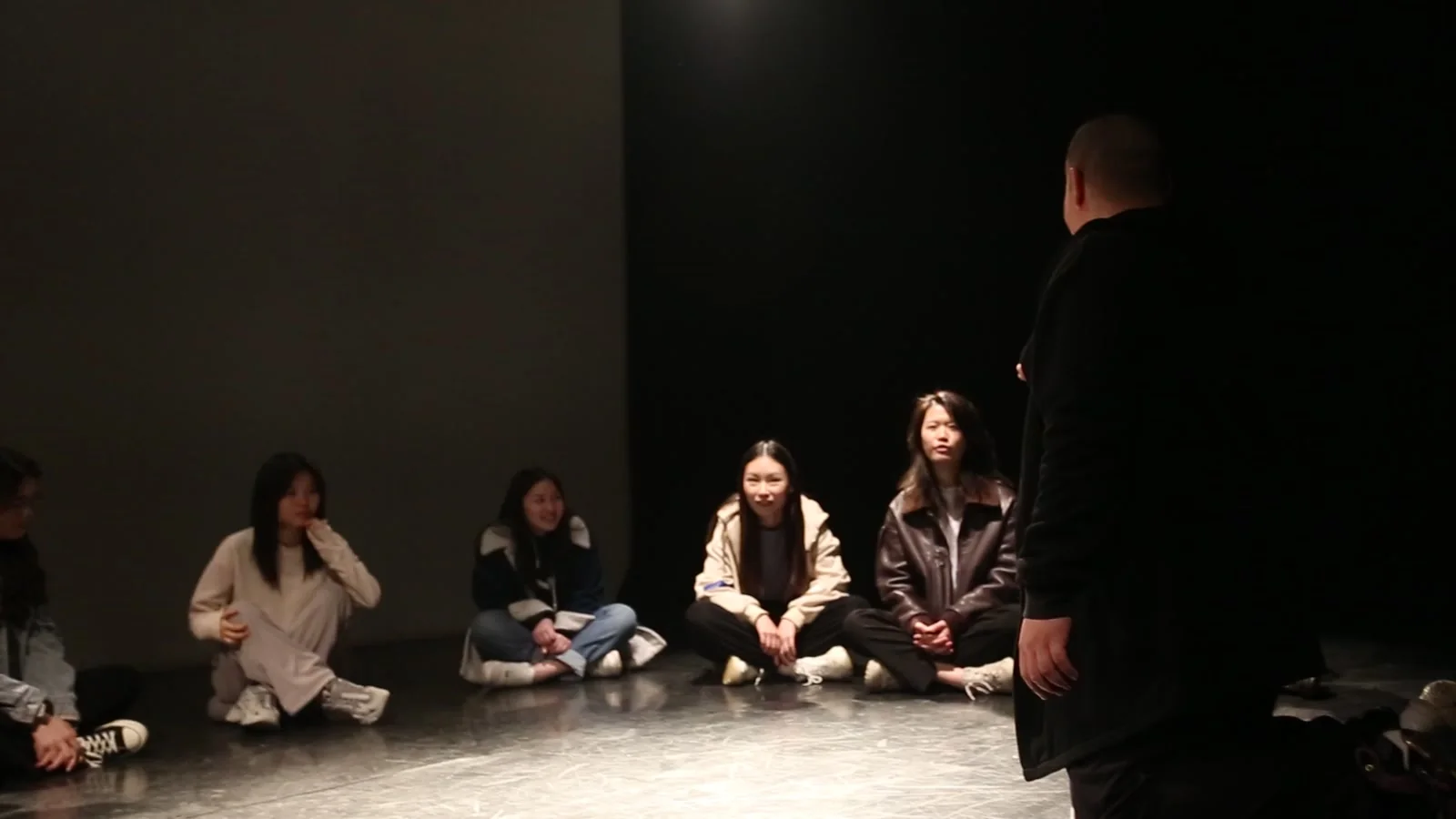
Spaces, participants, events and documentation change one another through sustained work.
Collaborative practice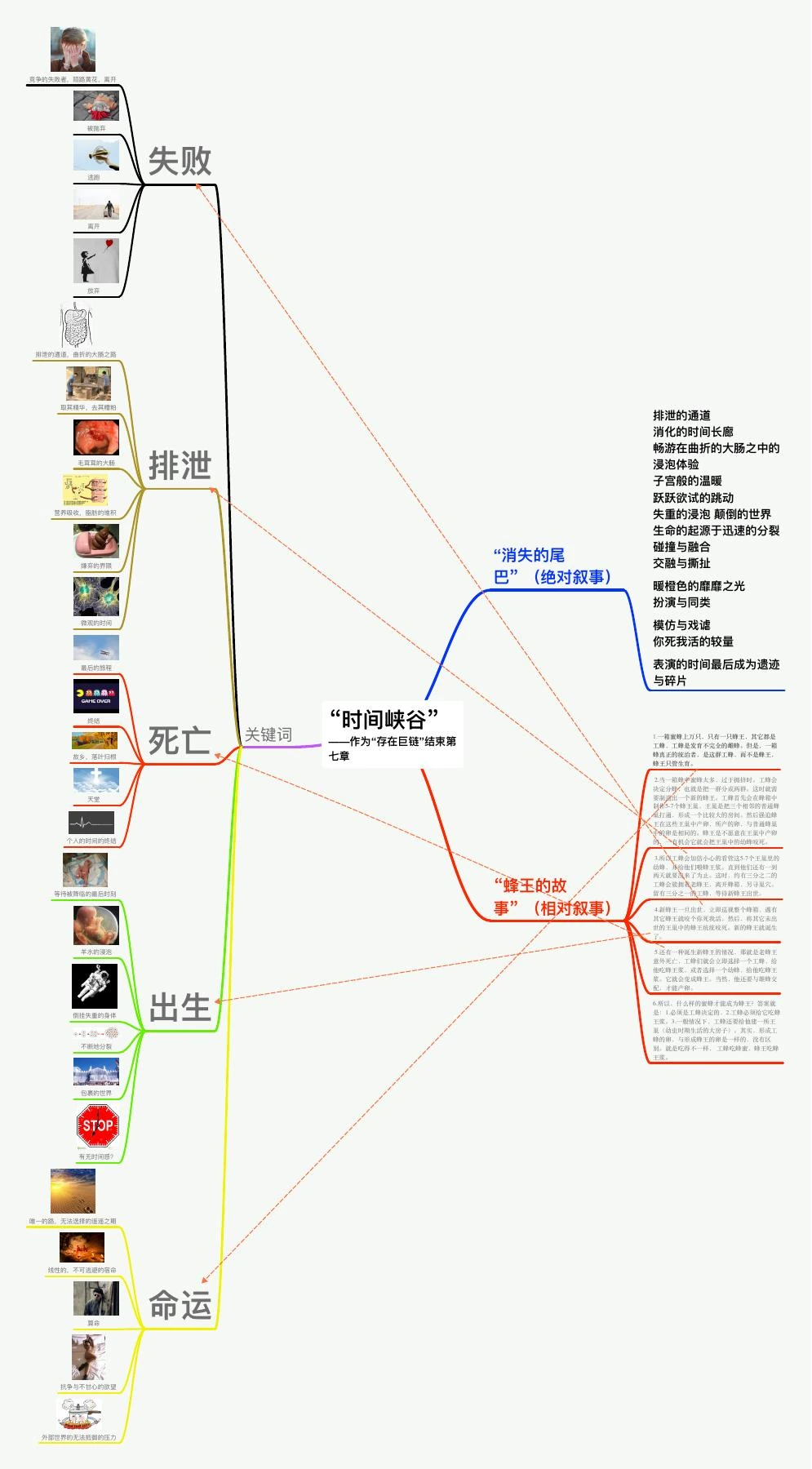
A proposed bodily passage through digestion, birth and death, leaving performance time as traces and fragments.
ProposalsHamlet’s Mirror / Four-screen CAFAM Proposal, 2016. Proposal for four-screen projection, live performance and real-time video. He Fa’s role: Co-created by He Fa and Zhang Aoshuang / FakingAosome.
Cite this record: Hamlet’s Mirror / Four-screen CAFAM Proposal · 2016 · Co-created by He Fa and Zhang Aoshuang / FakingAosome · https://hefa.p4theater.cn/en/work/hamlets-mirror-cafam-proposal
TAKE A PATH ACROSS
Spaces transformed
Hamlet’s Mirror / Four-screen CAFAM ProposalField of View
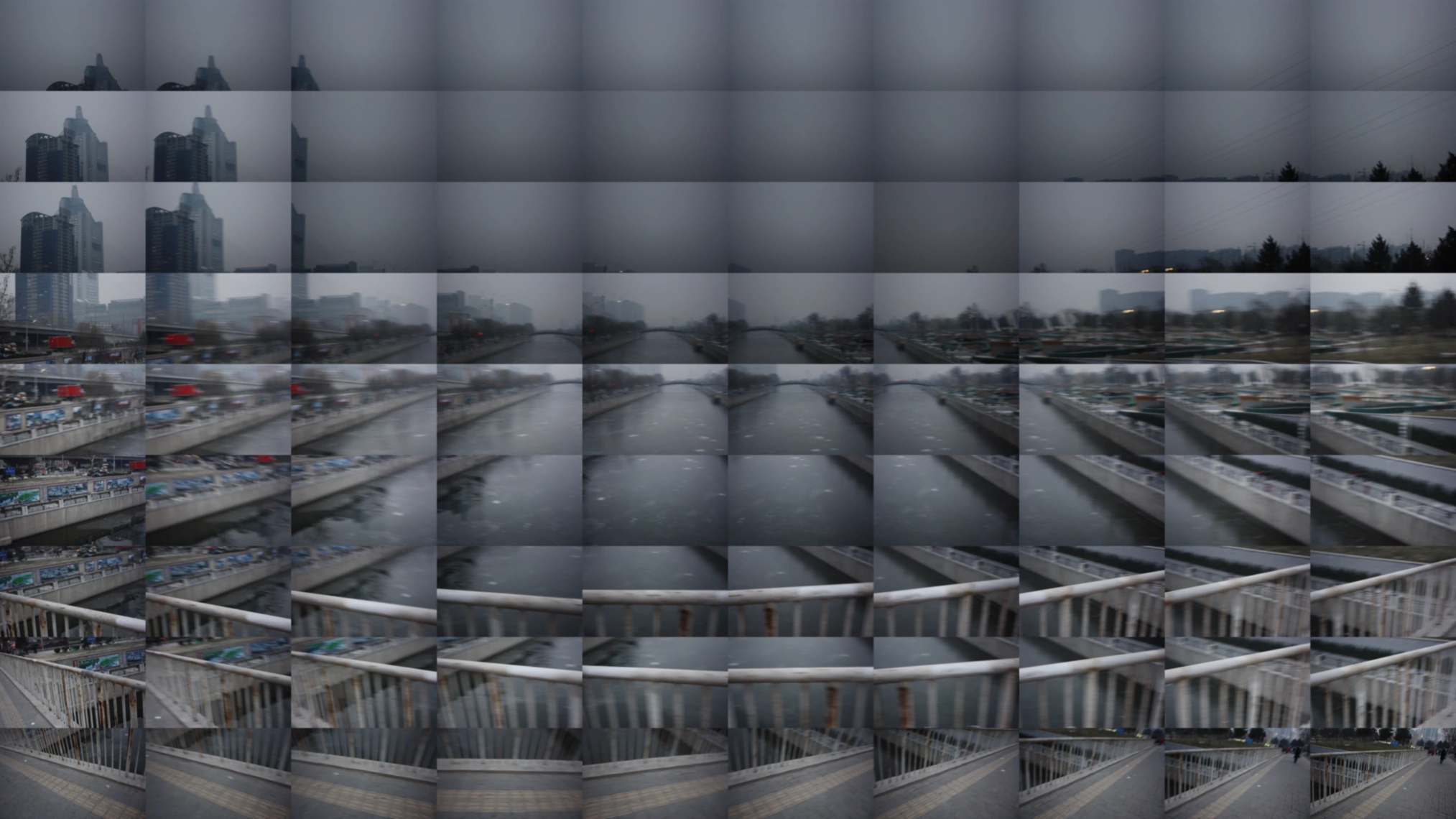
Field of View juxtaposes city views in rectangles; the CAFAM four-screen proposal places viewers between screens. The move from planar divisions to enclosure changes viewing positions, while realization of the proposal remains unverified.
The first image places urban views in rectangular rows, retaining differences of angle and position between adjacent blocks.
The jointly signed proposal of 5 September 2016 surrounds the space with four screens and distinguishes audience and performance areas by colour; the evidence is a proposal and equipment arrangement.
Spaces transformed
Hamlet’s Mirror / Four-screen CAFAM ProposalIceberg
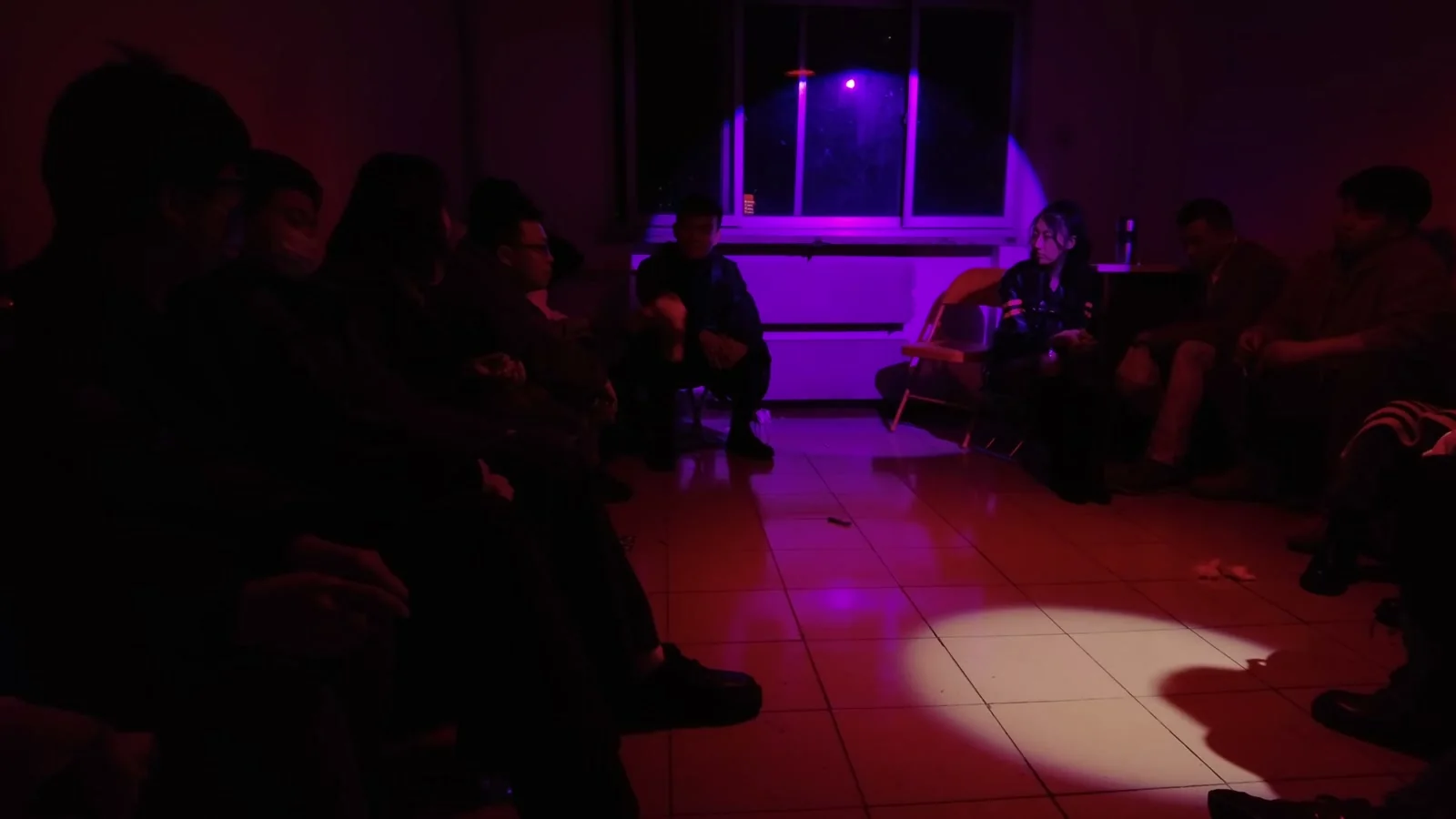
The CAFAM four-screen proposal distinguishes audience and performance zones in drawings; Iceberg shares limited office space. Both arrange enclosure and spectatorship, but imagined zoning cannot stand in for actual obstruction.
The jointly signed proposal of 5 September 2016 surrounds the space with four screens and distinguishes audience and performance areas by colour; the evidence is a proposal and equipment arrangement.
The event record specifies 1 January 2022, an office, eight makers and fifteen audience members, including crowding and obstruction as conditions of viewing.
FROM HERE, ELSEWHERE