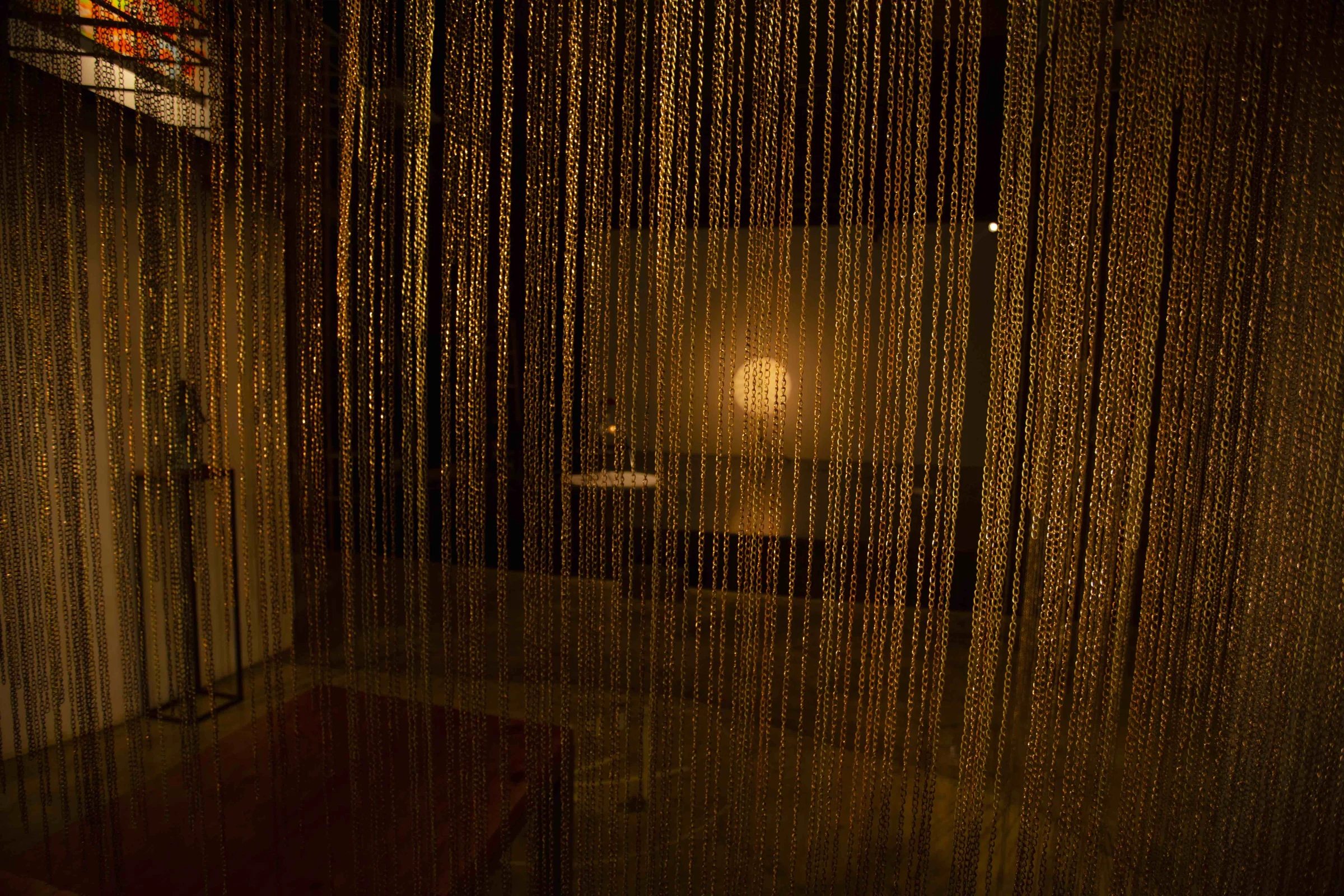
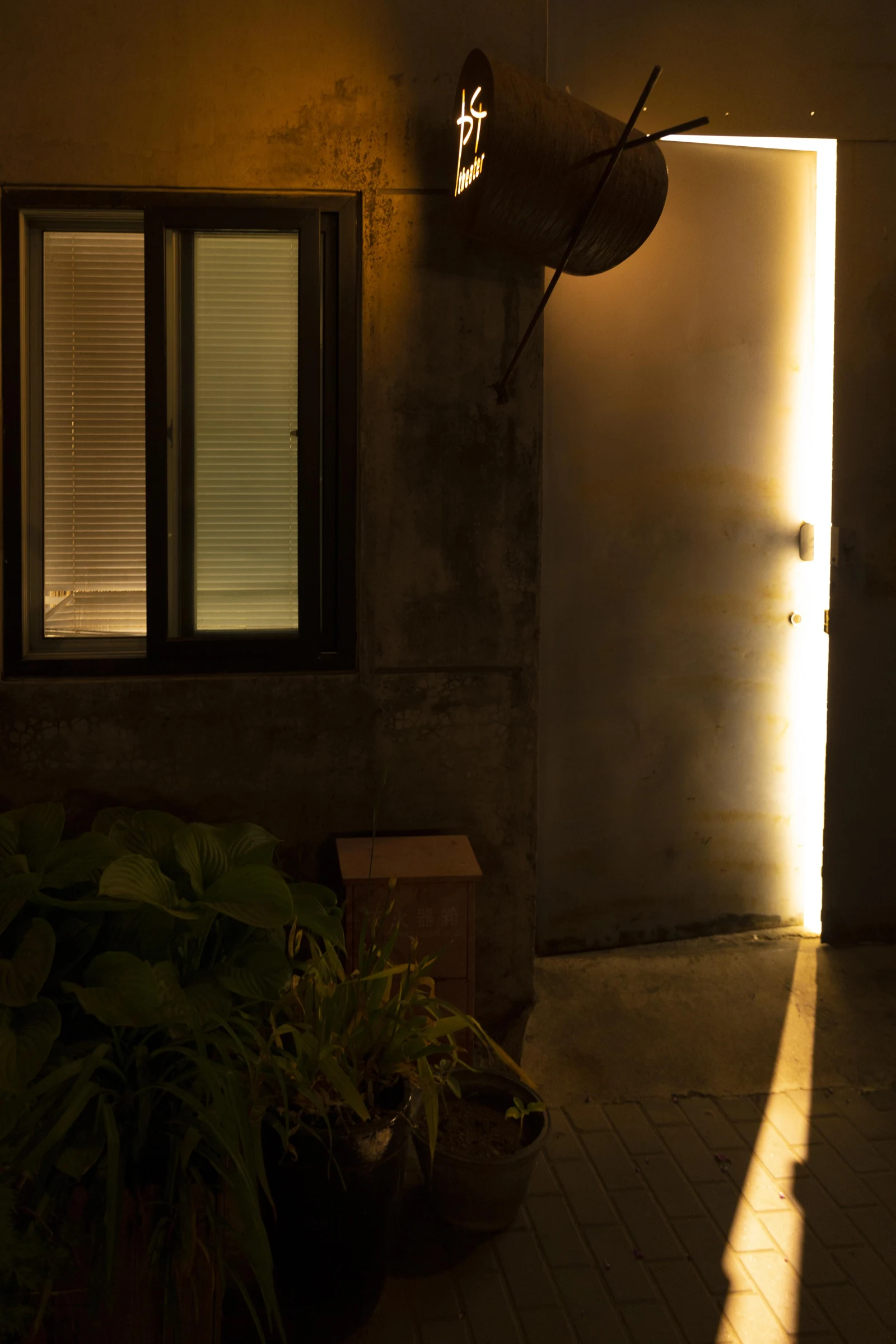
The idea of P4 began in 2015 and its first public work appeared in 2016. He Fa has since sustained its projects, spaces, moving images and writing.
02
Project statement
Around 2015, He Fa and Zhang Shaohua initiated P4 Theater in Beijing. Zhang Aoshuang took part in its early conception and co-curated the first public performance, Shadow Counterpoint, with He Fa in 2016. He Fa has continued as P4’s long-term artistic lead and organiser.
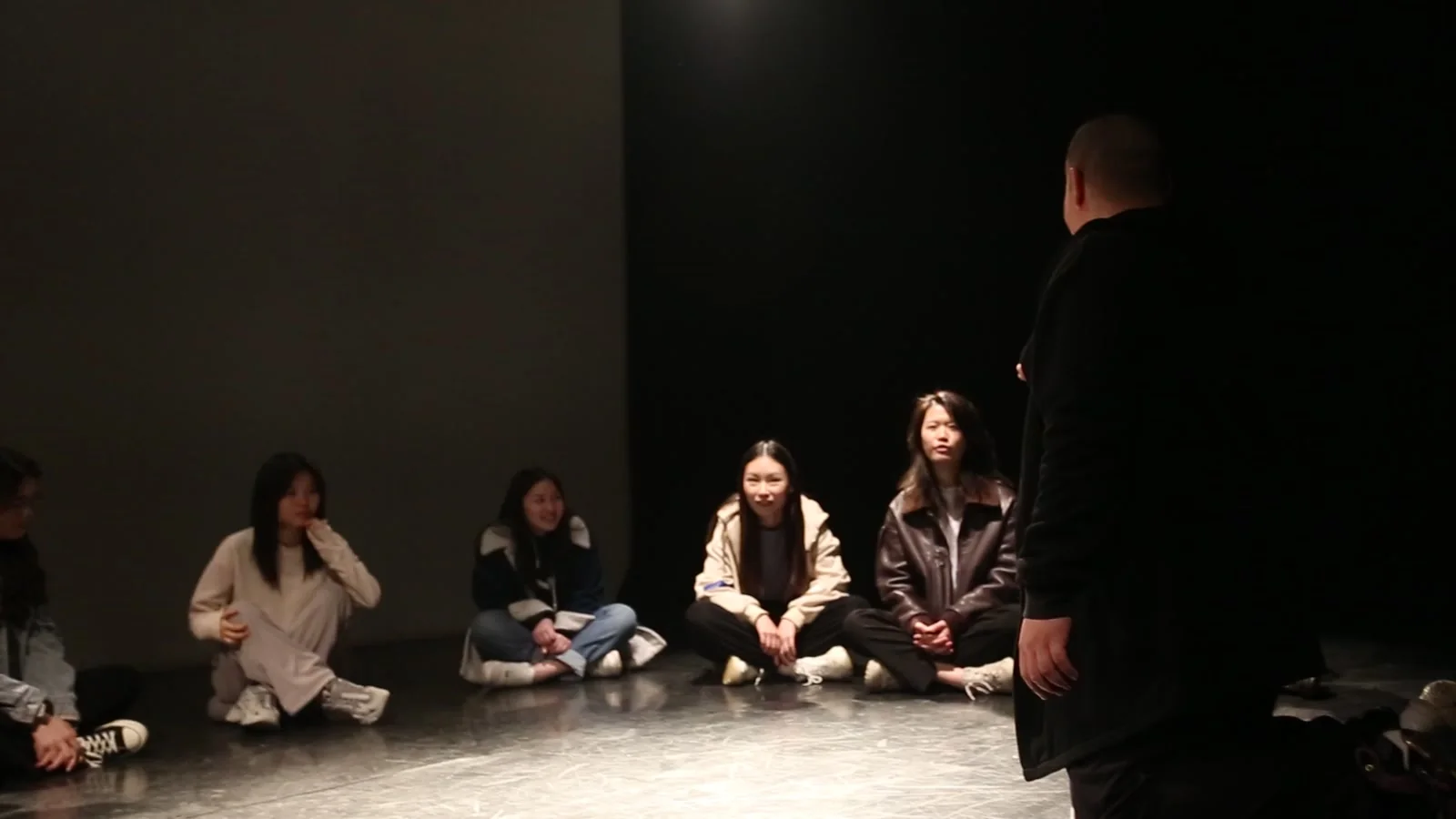
P4 projects have entered former factories, a small office, a boxing space, bookstores and private rooms. Site, participant identity, audience routes and filming conditions are not backdrops; they directly alter how the work takes place.
A line through the work
If theatre is first a way of arranging relations, where does a work begin and where can it end?
Enabling participants to initiate work
In his 2024 retrospective, He Fa describes 510 as an incubator operating from a living-room-sized space, where participants rehearsed and went on to form their own groups. The 2025 ten-year archive explicitly distinguishes projects initiated by participants. Together, these documents show how space, calls, publication and mutual support gave new work a starting point. This website preserves that shared relation while keeping the original creative credits.
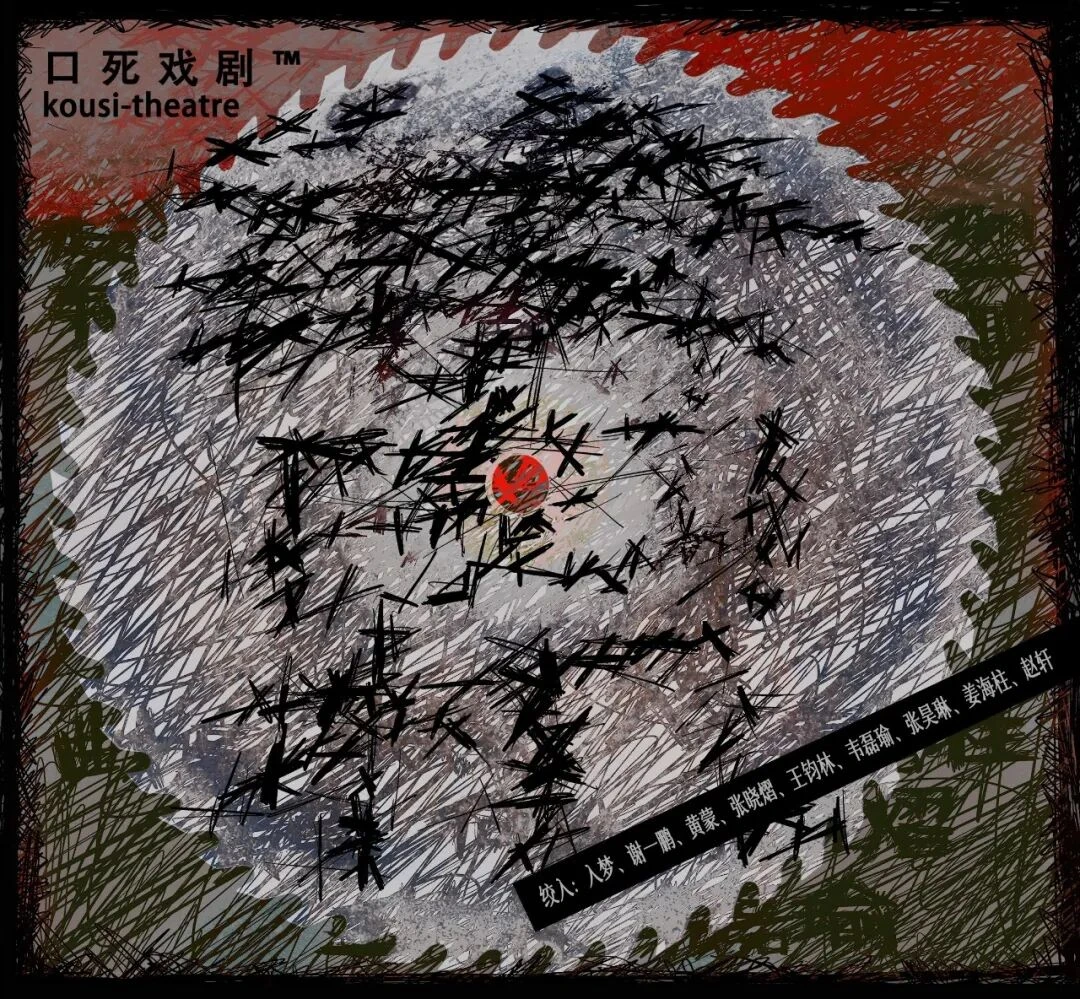
Meat Grinder · Kousi Theatre
The August 2022 call for Meat Grinder is credited to Zhao Xuan, followed by Kousi Theatre’s declaration and an announcement for a party-format performance on 1 November. Subsequent texts retain voices including Zhao Xuan and Miaoji. He Fa includes the project in P4’s lineage of participant-led work; this chapter documents that platform relationship without adding a directing credit for him.
Kill Mother · Guo Qian
Guo Qian’s call sets out Kill Mother as a three-hour theatre salon for eight participants on 4 June 2023. Each was invited to bring a chosen text to explore relationships with mothers within a theatrical situation. The archive retains this specific public proposal; a separate 2026 after-show text sharing the title is not treated as proof that this 2023 session took place.
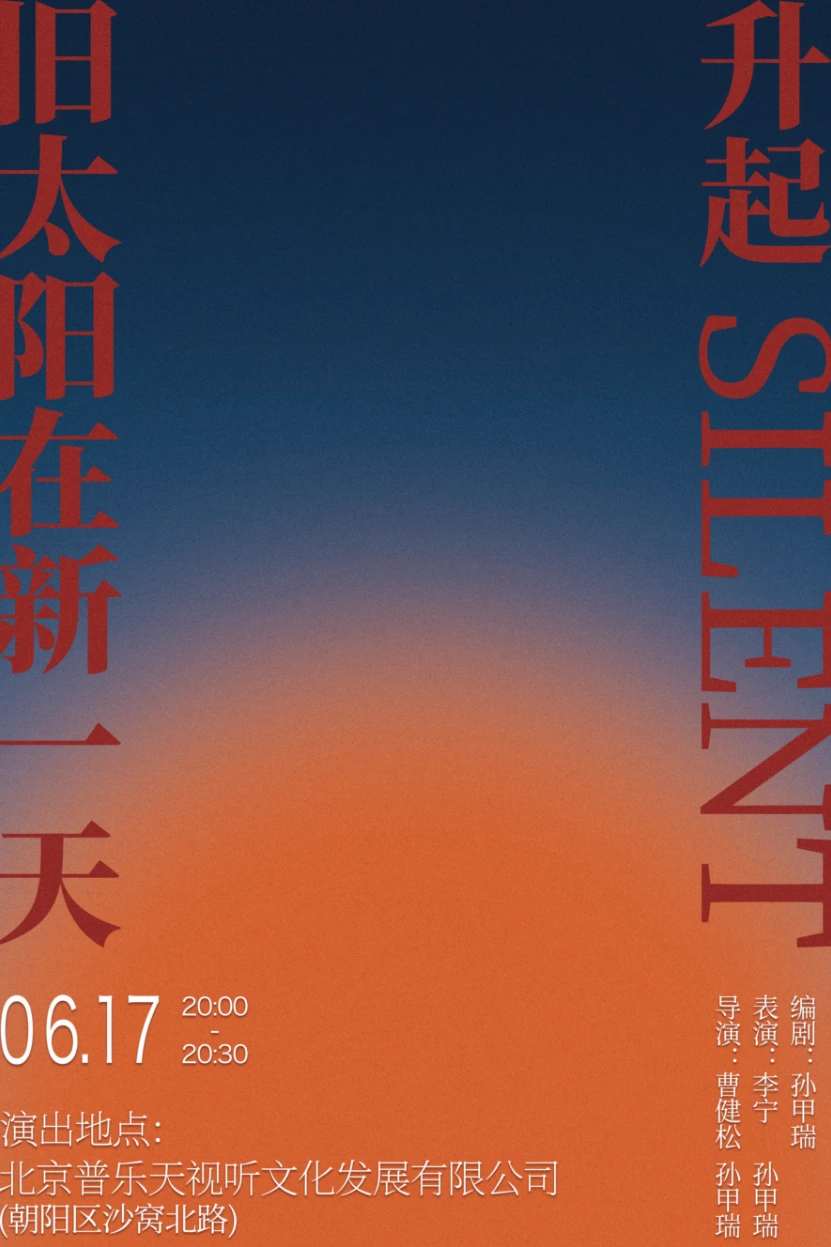
The Old Sun Rises on a New Day · Jiarui
Jiarui announced The Old Sun Rises on a New Day on 12 June 2023 as a half-hour theatre salon planned for 17 June, with a poster credit to Wang Yiwen. The original title uses “rises.” Alongside the preceding projects, it remains part of P4’s participant-led archive, linked to its own announcement and retaining its creators rather than substituting the platform’s organisers.
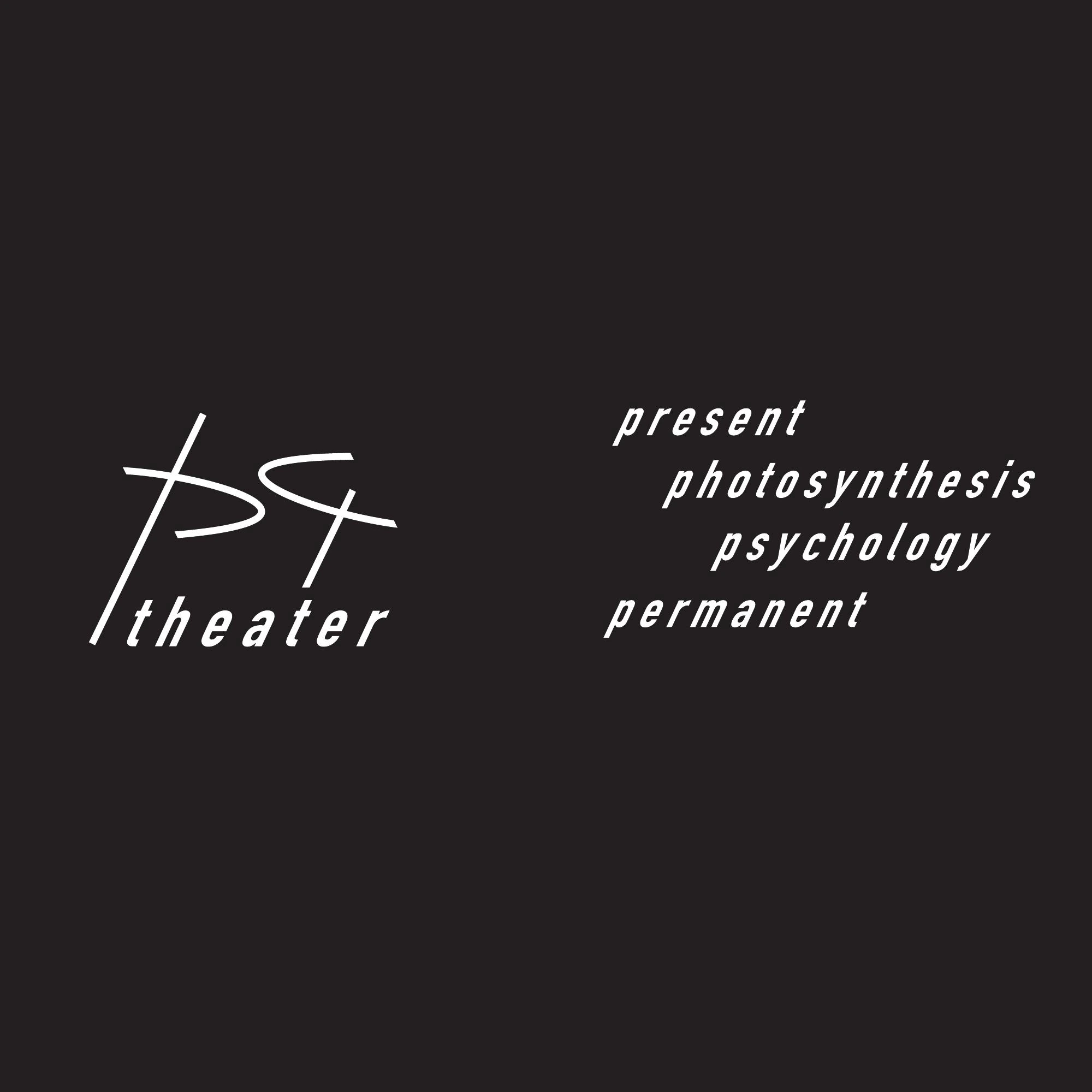
Present, photosynthesis, psychology, permanent
An early visual draft places four words beginning with P beside the P4 theater mark: present, photosynthesis, psychology and permanent. The P4 Preface layout pairs a photograph of the theatre with a text about mutually watching and performing: stepping beyond definitions imposed by others and holding a present moment in an image. These drafts preserve an early articulation of P4’s connection between photography, live presence and participants’ own experience.
Source documents: P4 theater视觉稿(p4-2.pdf); P4前言.
2019–2021: shared photographic research and a public venue
A Future That Seems to Be but Is Not places P4’s beginnings in He Fa and Zhang Shaohua’s shared photographic work. Former photography classmates, they explored portraiture, performance and emotion, established a venue in Tiantongyuan in 2015, and continued after He Fa returned to China in 2019. He calls the space their laboratory and treats theatre as recruitment, rehearsal, disagreement and public performance together. The 2023 essay Salon of the Rejected and Alliance of Failures describes the 2019 shift as opening the black box to people with few opportunities to use a stage.
Questioning the organizers within the interview
In the first Cocoon interview, He Fa is one of several respondents. He recalls telling participants that different roles did not remove their right to disagree, and hopes relationships might continue beyond the completion of a performance task. A Rooftop Howler interview preserves a counterpoint: as He Fa asks what a performer observed, Zhang Shaohua questions whether the interview imposes a prior assumption, while Huang Lucang notes its movement toward analysis. Together, the voices show organizing methods being discussed and challenged within the process itself.
The public opening in a retained report
An opening-report manuscript retained by the artist records P4’s public opening in Beijing’s Diaosutai art district on 4 June 2016, together with the premiere of Shadow Counterpoint. This dates a specific event and is recorded separately from accounts of preparations in 2015. The manuscript describes Zhang Shaohua and He Fa as founders and Zhang Aoshuang as a co-founder, and records shared work on the theatre’s design, construction and technical systems. These terms follow the manuscript.
Archival document supplement. Source: the retained manuscript “P4 Theater Opening — An Open Theatre as a Cross-disciplinary Laboratory” (title translated). Its original publication has not been verified; passages shared with the project press manuscript are not treated as independent corroboration. English is an editorial translation.
Image from the Meat Grinder performance announcement, 2022, retaining the Kousi Theatre credit.Poster for The Old Sun Rises on a New Day by Wang Yiwen; announcement credited to Jiarui, 2023.An early P4 visual draft places present, photosynthesis, psychology and permanent beside the P4 theater mark. No explicit date appears in the source.
Calling P4 a venue misses much of its work; calling it one enormous individual artwork by He Fa claims too much. It includes renting and adapting spaces, setting project cycles, recruiting strangers, forming collaborations and making works visible. Each task creates conditions and distributes limits. How audiences enter, whether a newcomer can initiate a project, and when rehearsal must end all affect the art that appears.
Its depth should emerge from specific arrangements and encounters rather than a method presumed correct in advance. The early pursuit of photographic truth, time-limited co-creation, participant-led projects and cinema’s later arrangement of the process do not fully coincide. A mature presentation lets these changes illuminate one another and lets individual authors remain findable beyond P4’s shared name. A container’s value lies not only in how much it holds, but in what it enables to develop its own direction.
The limits of this reading
P4 production, He Fa’s organization and his individual authorship are distinct. Different venues do not create an identical spatial experience.
Sources for this reading
Based on What Is Shixiang? (2020), Past, Present, Future, 510 (2022), and the signed 2024 recollection, each read at its own historical date.
Reading connectionIn 2024, He Fa revisits the studio’s conversion into a theatre, the move to a small office and cameras entering collaborative rehearsal. From Iceberg to Human Surrender, the size of a room, bodily distance and ways of filming affect one another. This retrospective returns the works to their spaces and collaborations.
Reading connectionThe 2023 Personal Chronicle manifesto connects a long interview, a circulation edit, project initiation and a public presentation through explicit agreements. Recounting a past becomes a starting point for inviting others into future action. The rules also address when recording begins and ends, and how relationships within creation remain distinct from daily life.
Reading connectionLooking back in 2022, He Fa returns to Shadow Counterpoint and Hamlet’s Mirror, then recounts a separation between collaborators and the restart at 510. A few chairs, two desks and a small office provided conditions for work such as Iceberg to continue. Moves, collaborations and repeated beginnings connect the productions.
Reading connectionFrom Shixiang’s photographic research to open-call productions such as Cocoon, He Fa’s 2021 account describes the labour of providing space, practical support and temporary teams. He also acknowledges how his own judgments can redirect work and bring compromise or hurt. The theatre’s aspirations sit beside the decisions required to sustain it.
N/A separately credits its publisher, editor and founding contributors; P4 Theater enables different initiators to develop projects. Both gather work by others, while a publication’s division of responsibility differs from the relationships among projects within an ongoing platform.
2015–present / Long-term art practice, live work and archives Date not recorded / Publication collaboration
He Fa’s 2024 account and the 2025 ten-year archive explicitly preserve participant-initiated projects; platform support does not replace project authorship.
Purples was co-initiated by Shen Bolun, He Fa and Shao Yifan; P4 hosts different projects and initiators. Connected platforms do not share identical authorship, and a new collective name establishes a boundary of credit worth retaining.
2015–present / Long-term art practice, live work and archives 2021 / Participatory theatre, role-playing and experiments in organisation
Selected pages of the Purple Action project introduction preserve co-initiation, origins and structure; the spatial presentation plan remains a historical proposal.
He Fa’s 2024 account and the 2025 ten-year archive explicitly preserve participant-initiated projects; platform support does not replace project authorship.
P4 continually organizes recruitment, rehearsal and screenings; Human Surrender develops one shared project into a film. The platform enables further events, while the film fixes one version of their sequence. Its collective authors are not replaced by the platform’s overarching name.
2015–present / Long-term art practice, live work and archives 2023–2024 / Film, rehearsal, live performance
He Fa’s 2024 account and the 2025 ten-year archive explicitly preserve participant-initiated projects; platform support does not replace project authorship.
The film credits retain collective direction and screenplay plus He Fa’s initiation, production and editing credits, which cannot be replaced by a platform name.
Within P4, Shixiang extends portrait photography into repeated meetings. P4 also accommodates screenings, rehearsals and projects initiated by others. The photographic project defines its own terms of publication, while the platform must retain different authors’ ways of working.
2015–present / Long-term art practice, live work and archives 2019–2020 / Photography theatre
He Fa’s 2024 account and the 2025 ten-year archive explicitly preserve participant-initiated projects; platform support does not replace project authorship.
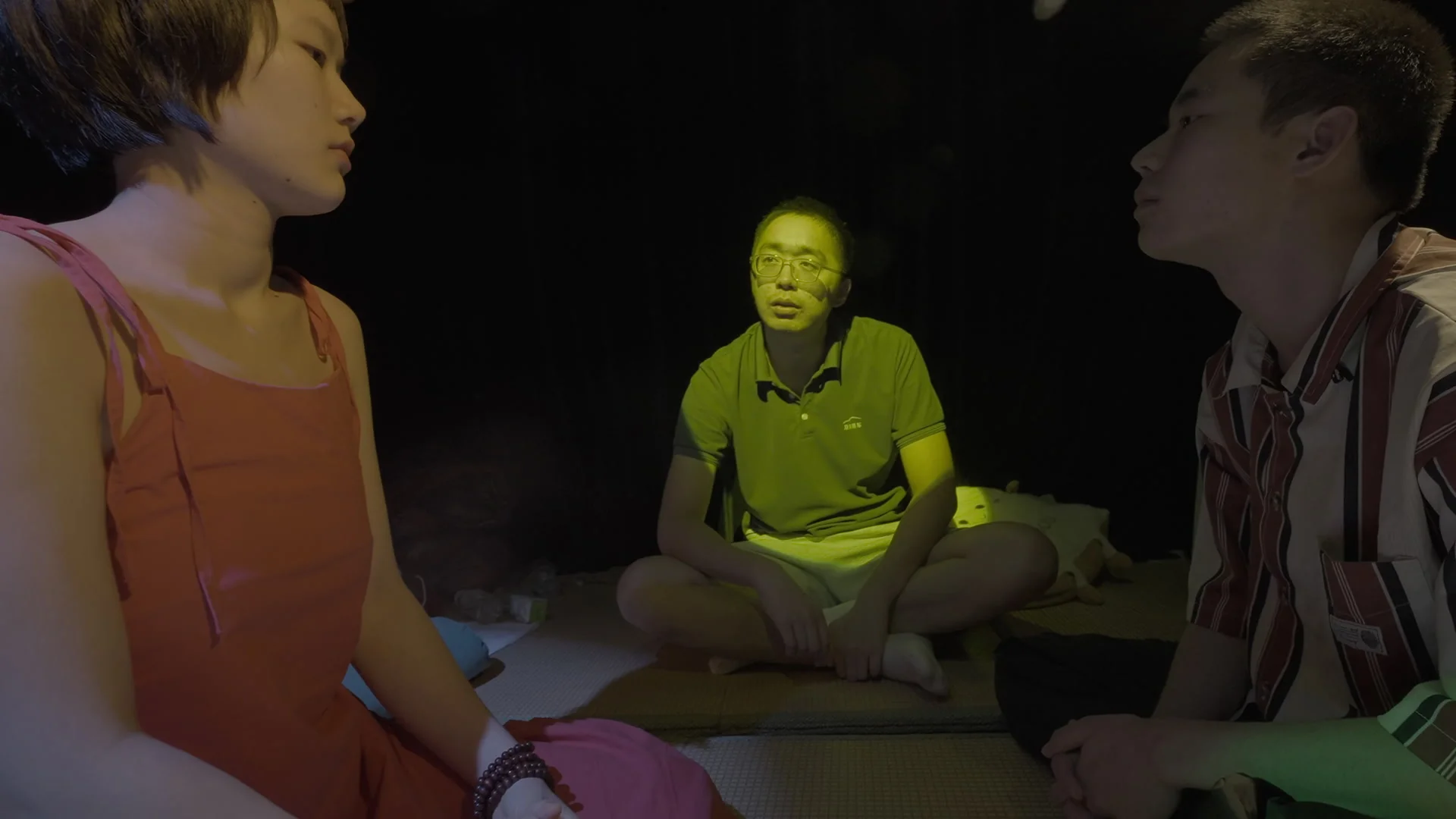
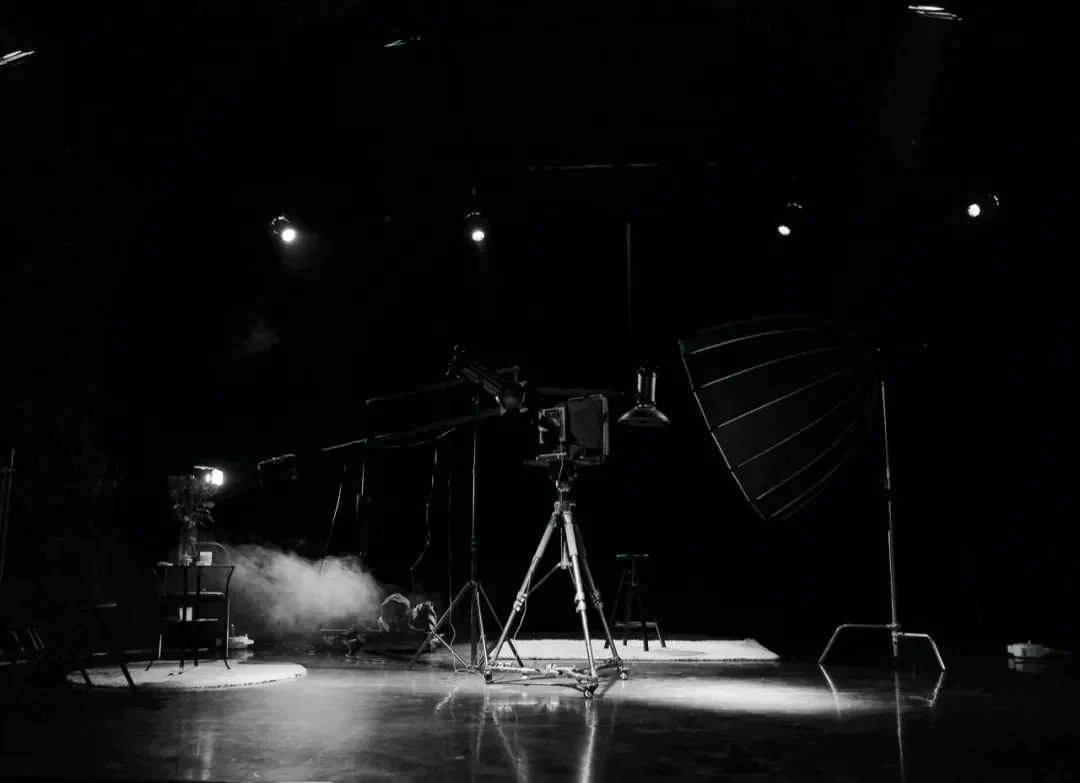
The 510 discussion recordings and photographs of the theatre space serve different purposes. Space photographs are not assigned to an undocumented event.
小图.jpg · Web access copy from the preserved source