2019–2020 / Photography theatre
Shixiang
Photographing and viewing alternate. Participants encounter their own image and decide whether it becomes public.
HE FA’S ROLE
Collaboration with Zhang Shaohua; theory, structure, framework and interpretation
Complete chapter contents
PHOTOGRAPHY THEATRE / BEIJING
Make a portrait.
Then face it together.
Shixiang is a P4 Theater photography-theatre project concerned with one’s own image. Practice began in 2019; a public account of its format followed in 2020. Zhang Shaohua and He Fa developed it together. Zhang worked on recruitment and the practical encounters; He Fa’s 2020 account describes his contribution to theory, structure, framework and interpretation.
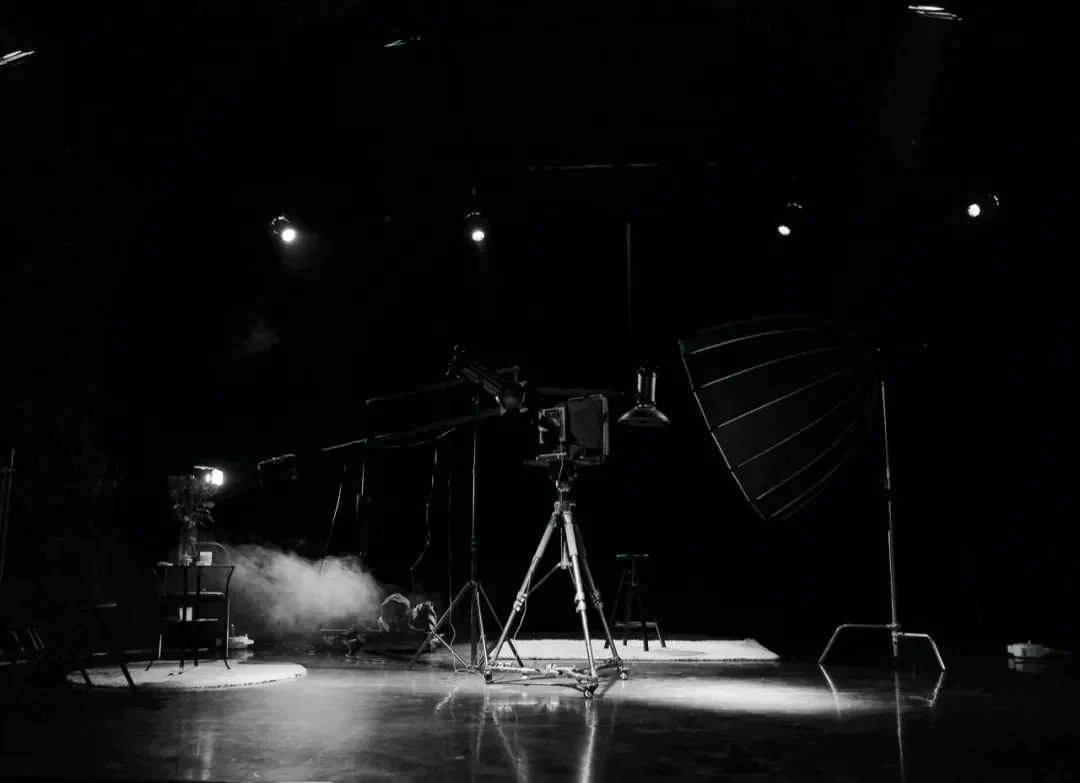
The published introduction traces a movement from conversation in a white room to photography on a dark stage. A large-format camera and lighting become objects within that stage. Participants subsequently return to view and discuss the photographs.
Read as a work today, the portrait extends across waiting, meeting again and speaking about an image. The relationship between photographer and subject continues beyond the shutter’s release.
PHOTOGRAPH / VIEW / RETURN
Eight and a half acts.
Odd acts: photographing
Acts one, three, five and seven centre on photography.
Even acts: viewing and expression
Acts two, four, six and eight return to the images through viewing and expression.
The 2020 account connects this sequence with the seasons. The final half-act remains open in the public description.
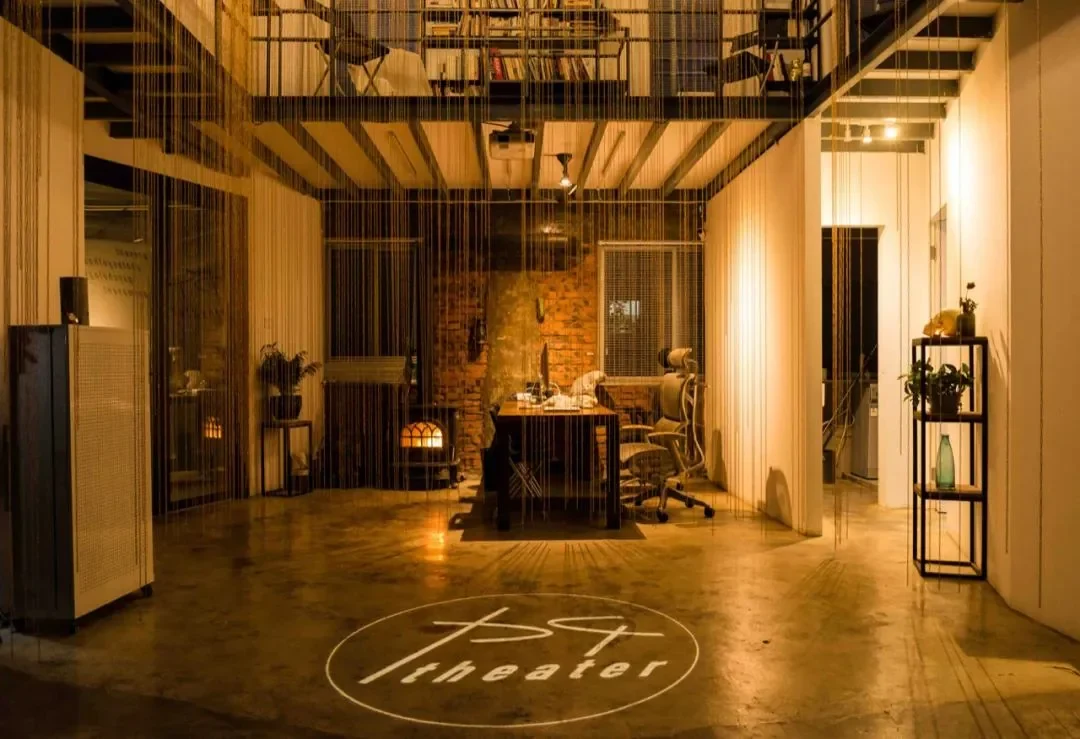
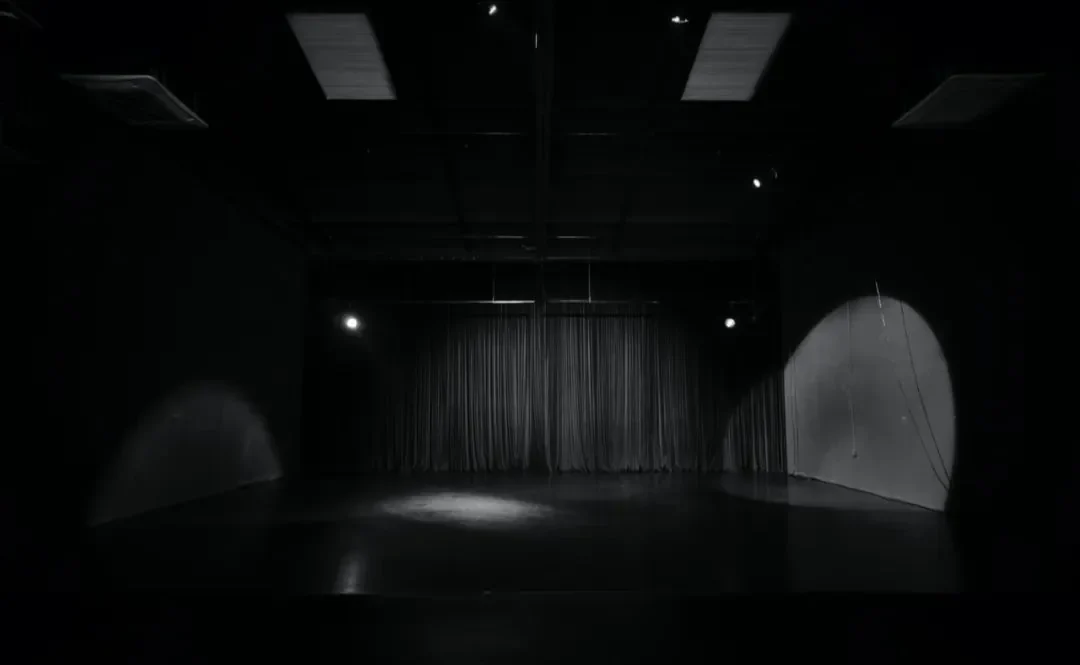
Participants decide whether their photographs become public.
This choice is part of the original project account. It allows participation without requiring a person’s image to circulate before strangers. This page uses venue and working photographs already published by P4.
Set beside Shanshui, Shixiang shifts attention from the assembly within an image to encounters between people. Set beside Human Surrender, it offers a route into the relationships, waiting and expression that form during filming.
Original accounts and version notes
This page describes the 2019–2020 practice and historical format, rather than current booking availability. Connections to other works are a retrospective reading written in 2026.
CLOSE READING / 2026 CURATORIAL INTERPRETATION
Shixiang
After the portrait is made, what position remains for its subject?
An ordinary portrait session often ends when the photograph is delivered. Shixiang instead makes the previous photograph the starting point for another meeting. A person faces a preserved self again, recognizing it or finding it strange. A fixed image and an ongoing life occupy the same structure. Meeting again neither updates the earlier photograph nor guarantees acceptance of its interpretation. Photography extends from taking an image into a relation that requires further response.
A crucial formal decision is that participation need not cost the immediate public disclosure of a portrait. Decisions about whether and when to publish enter the project’s agreement, preserving the possibility of remaining unseen by present viewers. A work may therefore have happened without proving itself through an accessible face. That matters for this portfolio: richness is not the same as opening everything. Presenting structure, space and the terms of visibility can be more faithful than filling a page with private portraits.
The limits of this reading
Eight-and-a-half parts, one thousand participants and a long-term museum were announced plans, not completed totals. This is not a current open call.
Sources for this reading
Based on the 2020 published texts What Is Shixiang?, Plant Your Seed at P4 Theater and the project introduction.
Continue in writing
Follow works back to signed texts, with writing at the time, later reflection and participant accounts identified separately.
A Future That Seems Both True and False
Reading connectionFrom Shixiang’s photographic research to open-call productions such as Cocoon, He Fa’s 2021 account describes the labour of providing space, practical support and temporary teams. He also acknowledges how his own judgments can redirect work and bring compromise or hurt. The theatre’s aspirations sit beside the decisions required to sustain it.
What Is Shixiang?
Reading connectionWhat Is Shixiang? looks back from 2020 at Shanshui and Central, then turns to photographic roles, the naming of I, See, You and publication choices. It proposes eight and a half encounters and imagines a museum holding a thousand people’s traces: retaining images while making room for another meeting.
Work record
Shixiang, 2019–2020. Photography theatre. He Fa’s role: Collaboration with Zhang Shaohua; theory, structure, framework and interpretation.
- Work / series
- Shixiang
- Date
- 2019–2020
- Medium
- Photography theatre
- He Fa’s role
- Collaboration with Zhang Shaohua; theory, structure, framework and interpretation
- Catalogue section
- Selected works
Cite this record: Shixiang · 2019–2020 · Collaboration with Zhang Shaohua; theory, structure, framework and interpretation · https://hefa.p4theater.cn/en/work/shixiang
TAKE A PATH ACROSS
Other paths from this work.
Distance and looking
What follows a portrait
ShixiangLarge Portraits / Portraits
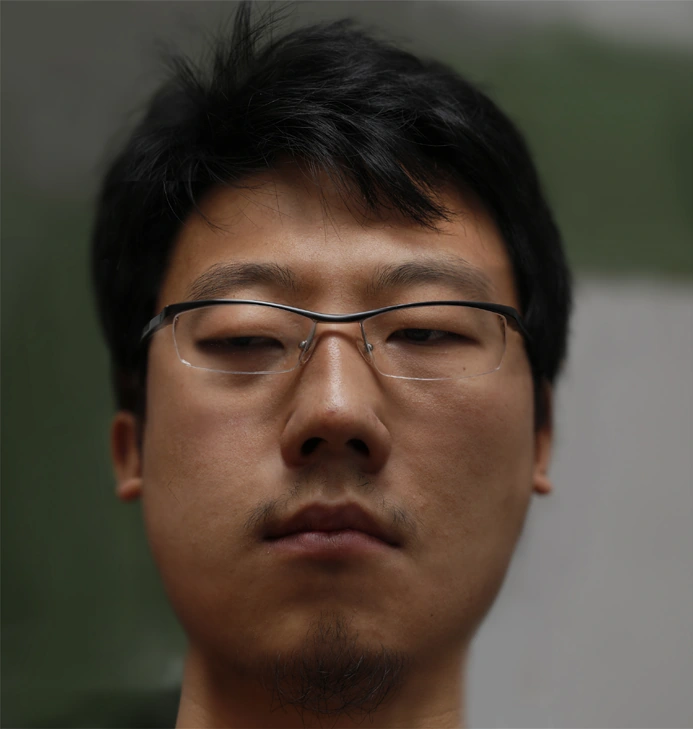
Large Portraits places detail pages after a complete portrait; Shixiang follows photography with viewing and expression. One changes the distance of reading an image, while the other places the return to a photograph within another meeting.
Continue from this work ↗Read the source materials
- Work imageWorks & details ↗
The portfolio places the complete portrait in the He Fa group alongside three details: nose, forehead and hair, and eye.
- Period documentEight and a half acts. ↗
The 2020 project text sets out photography in odd acts and viewing and expression in even acts within an eight-and-a-half-act structure; this is the method announced at the time.
- Work imageWorks & details ↗
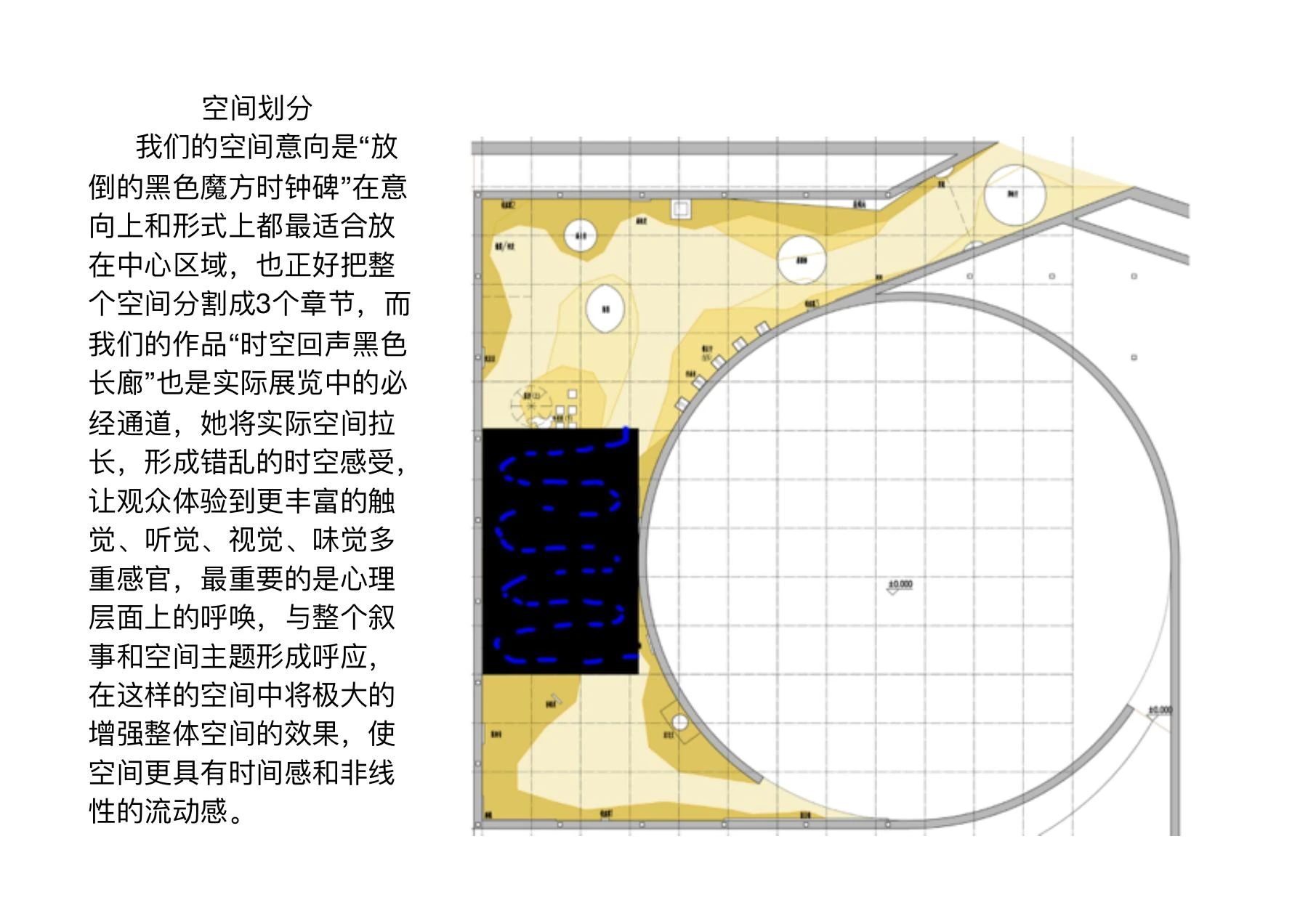
Spaces transformed
Who speaks beyond the darkness
ShixiangBlack Corridor of Spatiotemporal Echoes / Spatial Proposal
The Black Corridor proposal plans a required passage to engage the senses; Shixiang moves from conversation to a black stage. Darkness changes conditions in both, but a prescribed experience differs from a meeting where participants retain publication choices.
Continue from this work ↗Read the source materials
- Period documentSpatiotemporal echoes ↗
The original proposal describes the corridor as a required passage and proposes multisensory temporal and spatial experience; it remains a proposal with implementation unverified.
- Period documentMake a portrait. Then face it together. ↗
The 2020 project introduction records passage from a white room to a black stage and later meetings; publication choice is retained in the same project documentation.
- Period documentSpatiotemporal echoes ↗
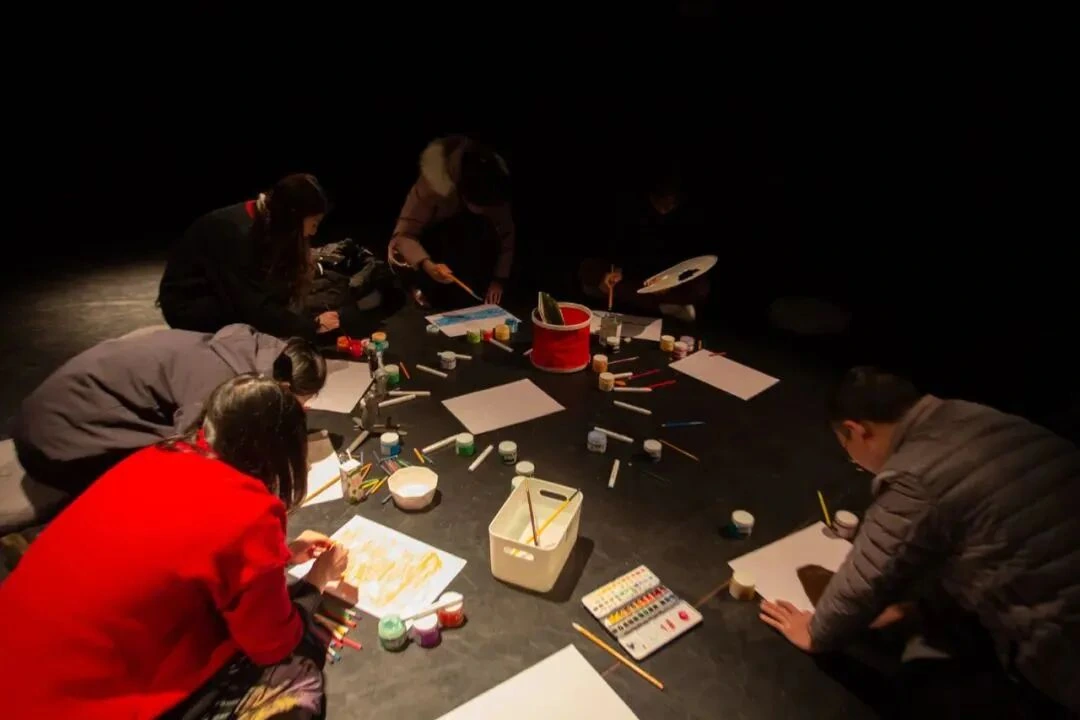
Keeping and losing
Facing something one has left
Paper Screening asks participants to hold up and speak about their drawings; Shixiang returns people to their portraits. A retained image prompts further expression in both, while making a drawing oneself differs from being photographed.
Continue from this work ↗Read the source materials
- Period documentBringing paper onto the stage ↗
The November 2020 project text and 26 November report record Lisa-led drawing, presenting drawings and participants’ responses, with individual authorship retained.
- Period documentEight and a half acts. ↗
The 2020 project text sets out photography in odd acts and viewing and expression in even acts within an eight-and-a-half-act structure; this is the method announced at the time.
- Period documentBringing paper onto the stage ↗
Working together
Who arrives beyond the pair
He Fa’s public recollection links the move toward more participants after Shixiang to producing Hallucination. This is a documented project connection, but it does not mean an ensemble play resolved every question raised by the two-person portrait research.
Continue from this work ↗Read the source materials
- Later accountFrom Shixiang research to an open call ↗
The 27 April 2021 account A Seemingly Uncertain Future recalls recruitment, rehearsals and organizer intervention from Shixiang to Hallucination and explicitly records a performance.
- Period documentEight and a half acts. ↗
The 2020 project text sets out photography in odd acts and viewing and expression in even acts within an eight-and-a-half-act structure; this is the method announced at the time.
- Later accountFrom Shixiang research to an open call ↗
2026-10-04 / ARCHIVAL ADDITION
Source materials, process and versions
The final account begins with being seen; a draft outline names the photographer as a separator and the model as an intruder. Reading the two versions together shows how a relation of looking was written into an experience.
FROM HERE, ELSEWHERE
Passages between works
- After moving closer
The portrait enters another meeting, where the person can face it again and decide whether it becomes public.
- When another person enters
The sitter offers more than a face and retains a decision about publication.
- Making and keeping
Looking back in How a Hole Becomes a Theatre, He Fa describes film processing, scanning, and water marks and scratches left unretouched in Shixiang. The portrait retains traces of its making that can redirect attention from the sitter.
Related records in the archive
- Human Surrender / Shoot Self with You ↗2023–2024
- Shanshui ↗2012