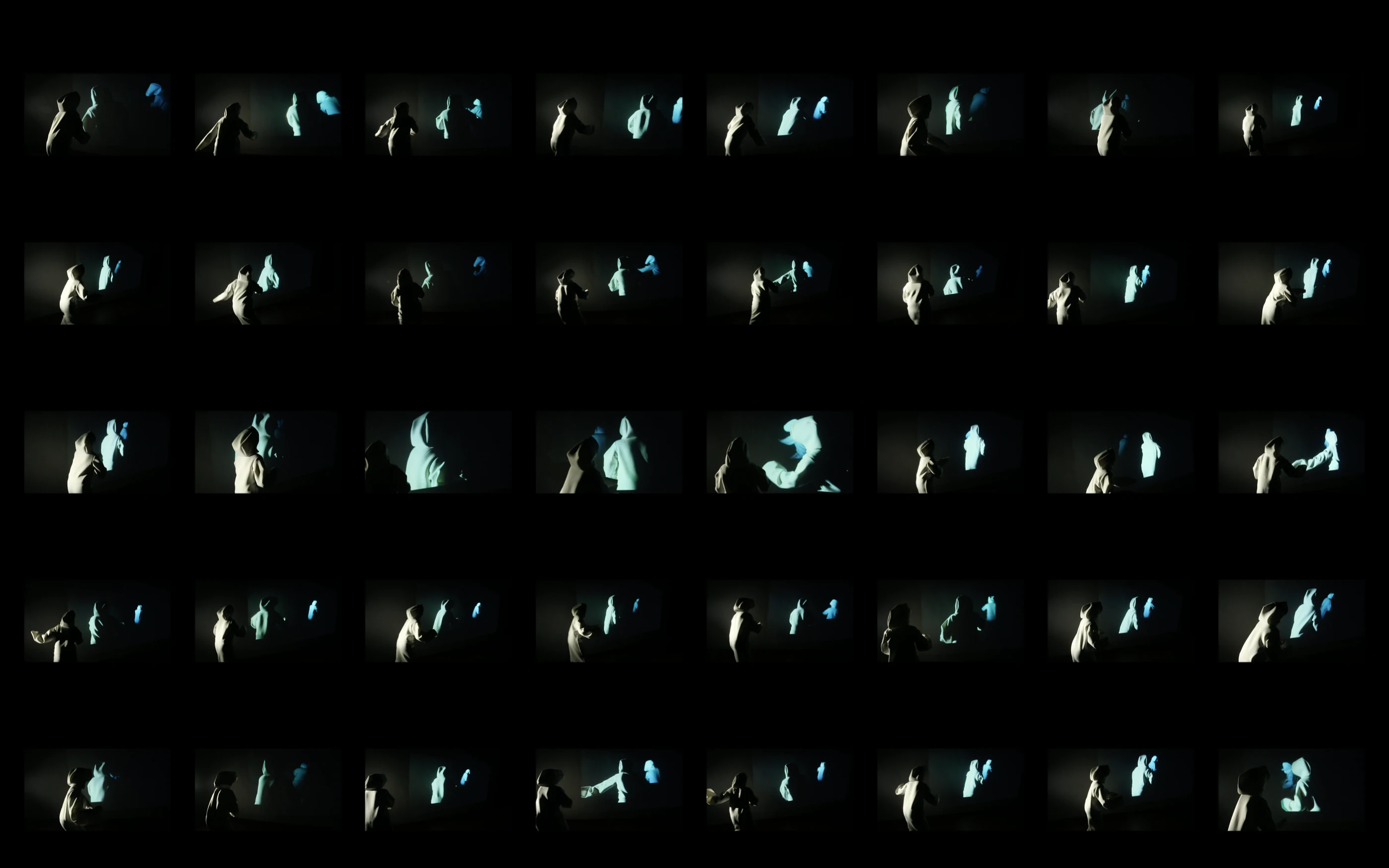
An excerpt
03:48.08
An existing public excerpt, available to play. The 640 × 360 and 960 × 540 exports correspond in the checked images and decoded audio.
Watch the 3:48 excerpt ↓2015 / Moving image and performance
Performers, projections and screens reflect one another as Hamlet is broken into shifting fragments.
Hamlet’s Mirror, 2015. Retained artist’s excerpt, 3 minutes 48 seconds; original 960 × 540 frame, with its original soundtrack.
HAMLET’S MIRROR · TIME AND RECORDS
One work leaves records of different lengths. Choose one and identify the kind of time you are looking at.
He Fa and Zhang Aoshuang / FakingAosome, 2015.
An excerpt
An existing public excerpt, available to play. The 640 × 360 and 960 × 540 exports correspond in the checked images and decoded audio.
Watch the 3:48 excerpt ↓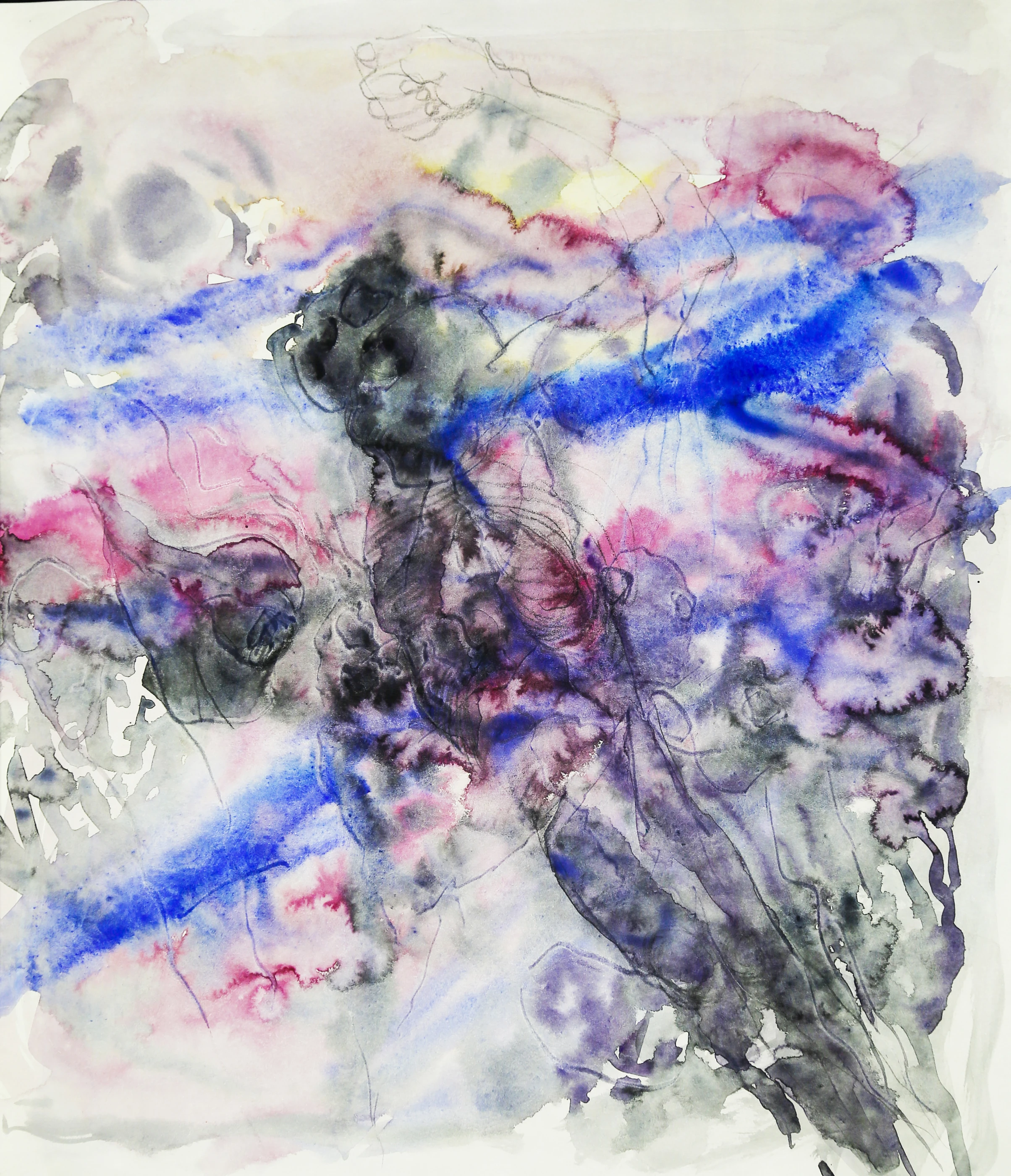
Recorded from one direction
File duration of “1-1-1我对面.mov”. This entry follows the file documentation. The accompanying portfolio sketch is not a frame from this recording. The file does not establish complete coverage of a performance.
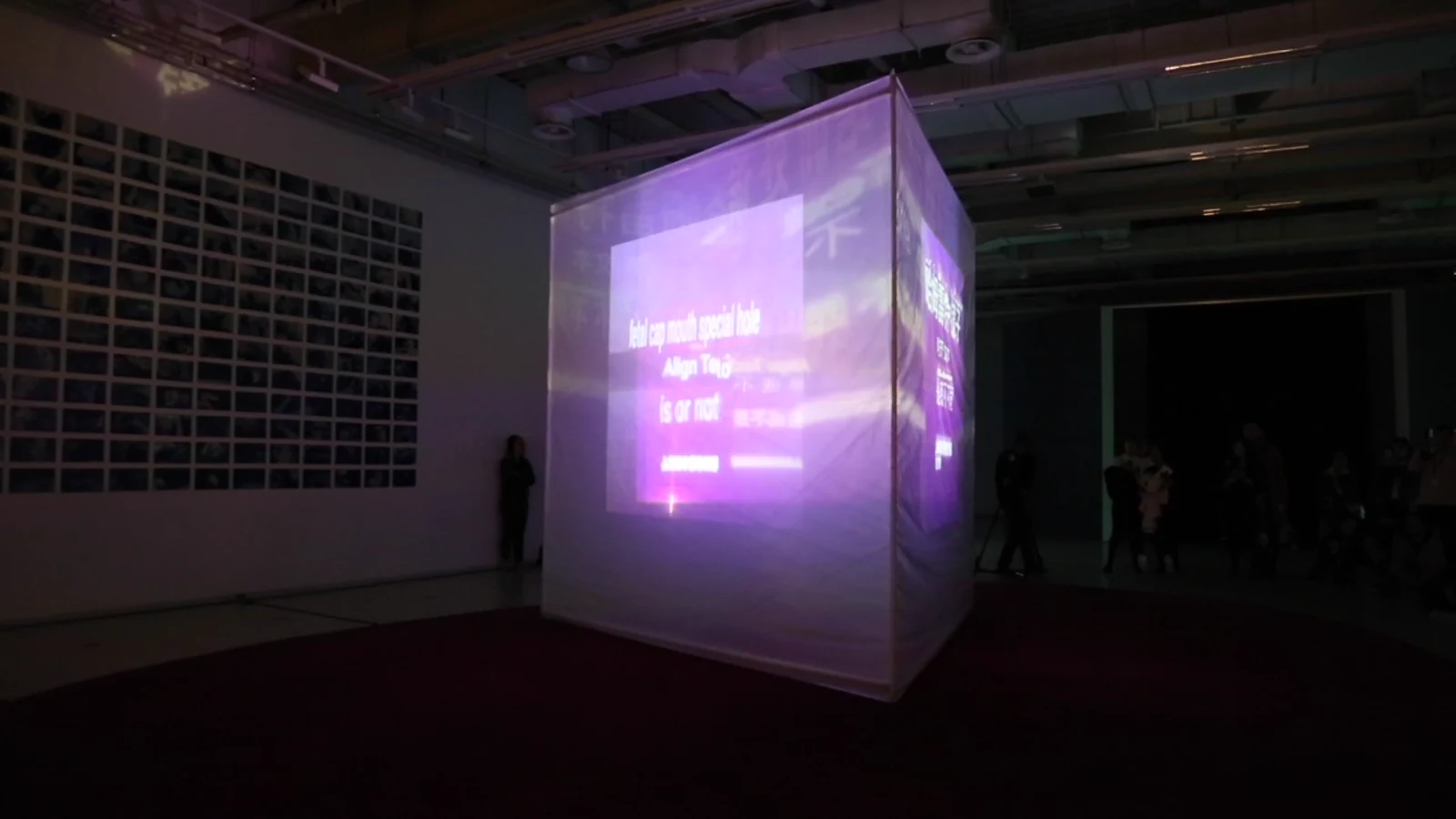
Another record within the space
File duration of “哈姆雷特的镜子1.mp4”. The surviving frame shows a cubic space and projected text. These three records are not presented as synchronized or as the same performance.
He Fa breaks Hamlet into short fragments. As he enters its roles, the image of a character is also separated from the body. Performance within a screen, images projected onto a person and the live performer’s movements form displaced relationships. The viewer encounters Hamlet in several times and positions.
The original statement identifies the large screen, projection and performer as three interacting elements. Information originates in the performer’s own actions, then returns to the body through images. Occlusion, reflection and superimposition unsettle the division between a subject and its projected double. The work also carries questions of the whole and its parts from the earlier photographs into the time and space of performance.
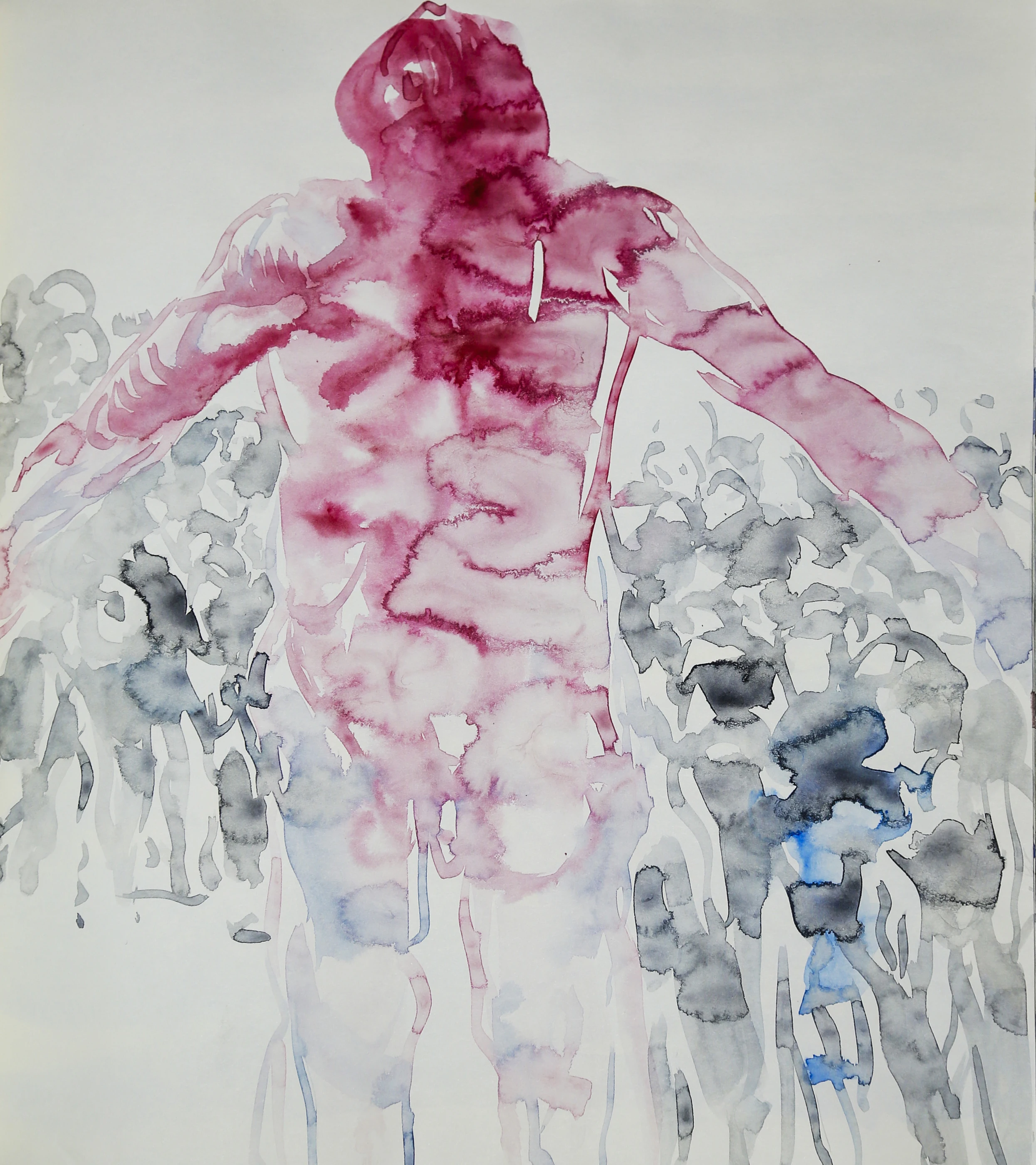
The surviving sketches develop bodies, stairs, rooms and superimposed figures. English act sheets identify Walking, Father’s Ghost, Finding Mother, Asking, Mice Running, Manipulation, Ophelia Going Mad, and Hamlet and I. Sketches and act documentation are presented in portfolio order for comparison.
The CAFAM proposal jointly signed by He Fa and Zhang Aoshuang on 5 September 2016 explicitly identifies Hamlet’s Mirror as the first project of FakingAosome, the group they founded in 2015. It records its development from June to December 2015 at P4 Theater in Beijing. This directly signed document supplies collaborative credits that were not detailed in the earlier individual portfolio.
Two “HAMLET’S MIRROR” exports in the working archive both run 3 minutes, 48.08 seconds, at 640 × 360 and 960 × 540 respectively. Four aligned visual samples correspond, and their complete decoded audio produces the same checksum. The records therefore connect them as different exports of the same excerpt.
Two longer files offer a different scale of viewing. “1-1-1我对面.mov” runs 34 minutes, 54.509 seconds and records figures and projections from one direction. “哈姆雷特的镜子1.mp4” runs 37 minutes, 39.4 seconds; sampled frames include a cubic space, projected text, images and bodies. These are the durations of the surviving files and do not establish that a performance was recorded in full.
Source documents: HAMLET'S MIRROR.mov; HAMLET'S MIRROR.mp4; 1-1-1我对面.mov; 哈姆雷特的镜子1.mp4.
In Walking, body and shadow fall out of alignment; in Manipulation, clothing becomes a surface for coloured projection. Relations between roles are also formed through occlusion, projection and changes of scale. Earlier collages compressed different moments into one surface; here a body can interrupt an image and be covered by it again. The act-by-act documentation makes this distinction visible, though static documents cannot establish the rhythm of an entire performance or its audience’s response.
Archive reading, 30 September 2026 · Site editorial interpretation, not an artist’s statement. Sources: He Fa Portfolio (PDF), pp. 36–39; the “Theory Theatre” proposal, pp. 1 and 3. English is an editorial translation; document titles are translated where needed.
ARTIST’S STATEMENT / PORTFOLIO
In these short videos I reinterpret Shakespeare’s Hamlet. I dismembered the entire play into fragments that seem both familiar and unfamiliar. Of course you can say this has nothing to do with Hamlet; it is only my understanding of it. Hamlet, deferred into other people’s times and spaces, keeps changing roles. The characters cannot be defined precisely between the confused spaces inside and outside the screens. Through projection, reflection, concealment and occlusion, qualities that have blurred or disappeared seem to emerge again. I become the characters in these fragments, sharing their frenzy or sorrow. In an empty reality I look for the meaning of existence: “To be or not to be, this is a question.”
Translated from the artist’s Chinese portfolio statement.
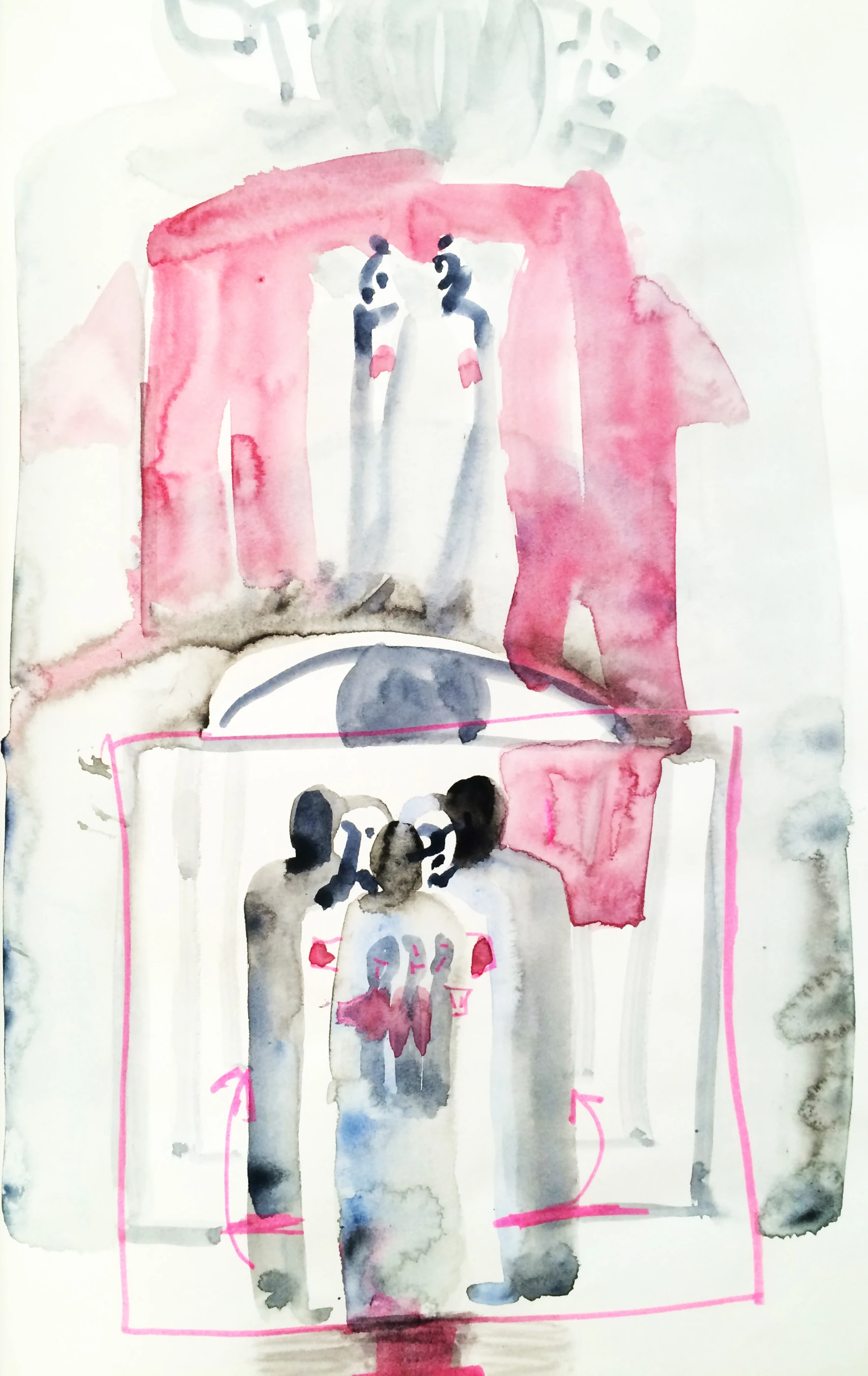
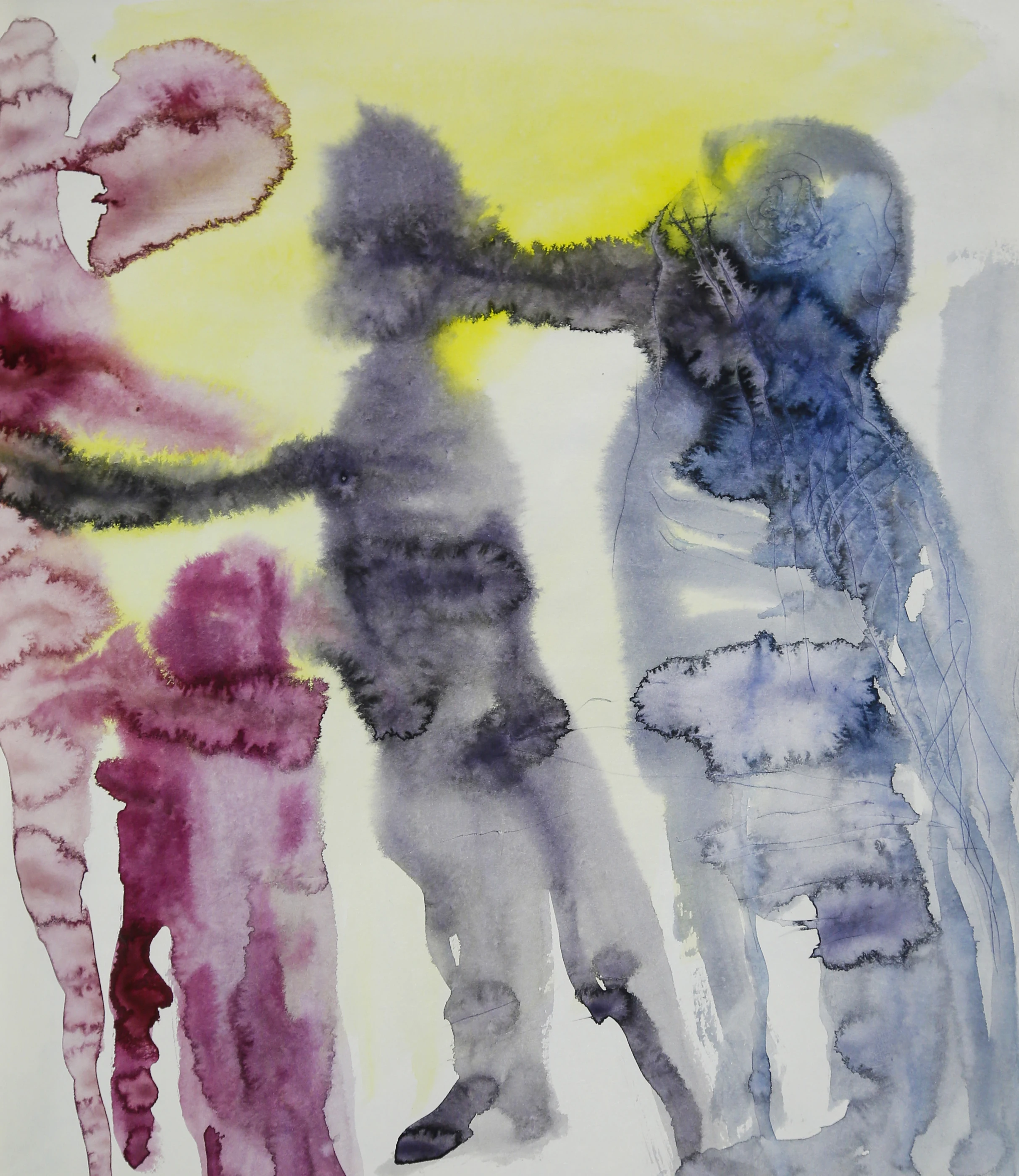
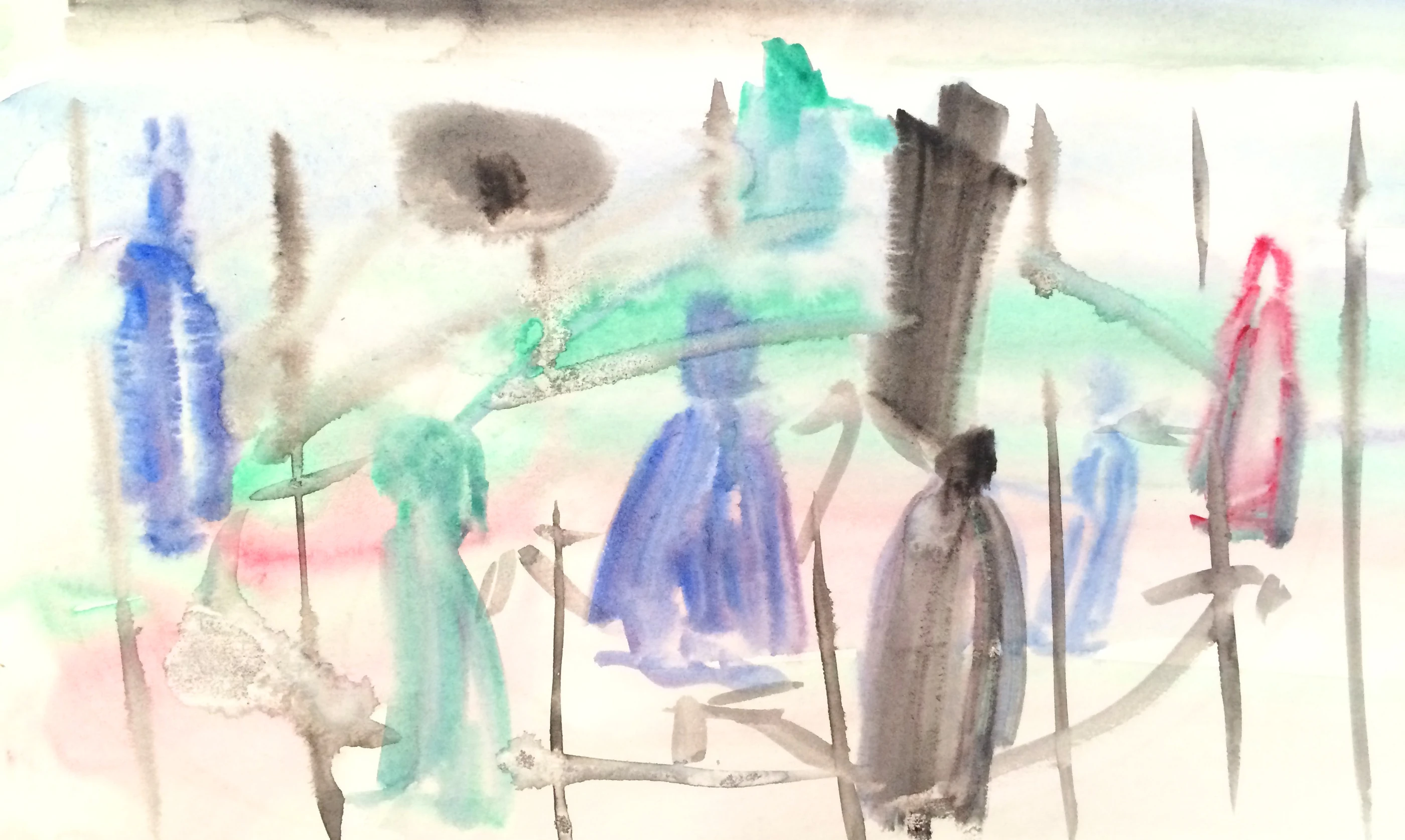
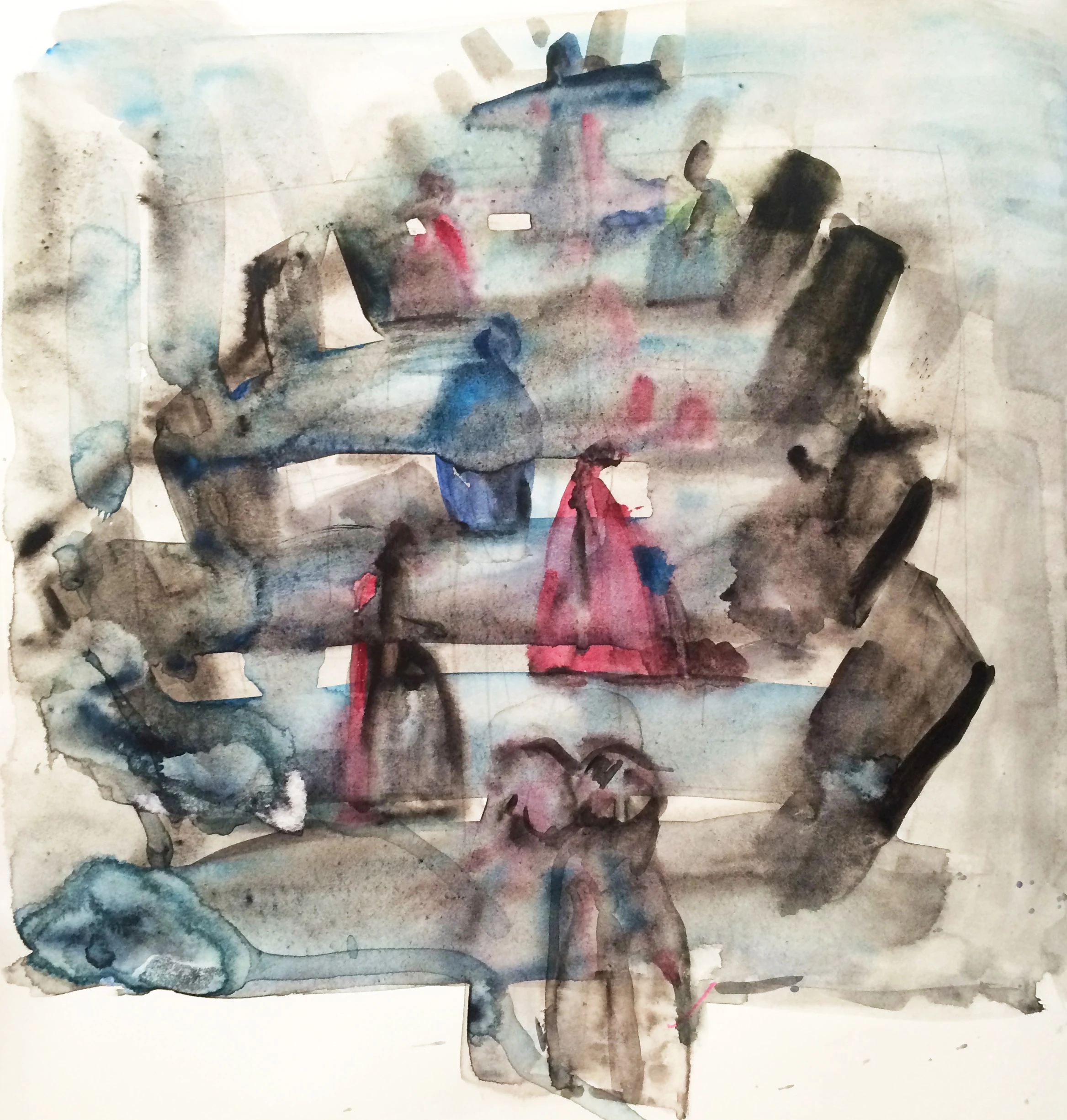
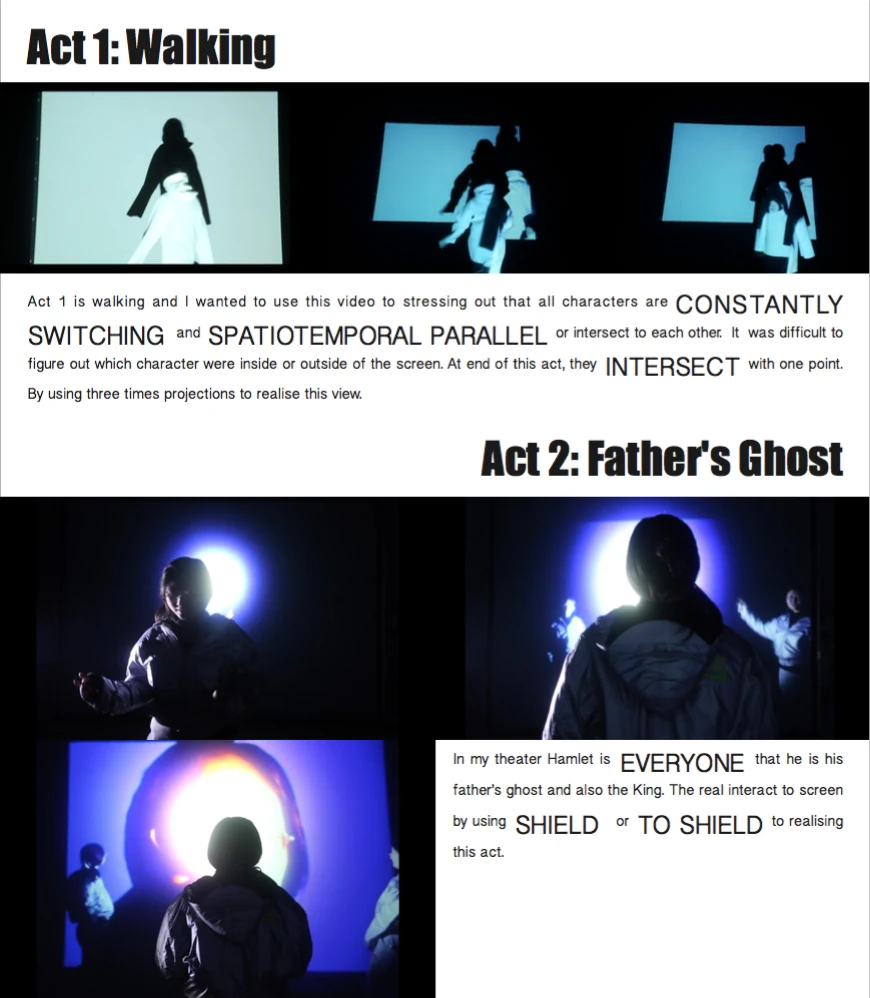
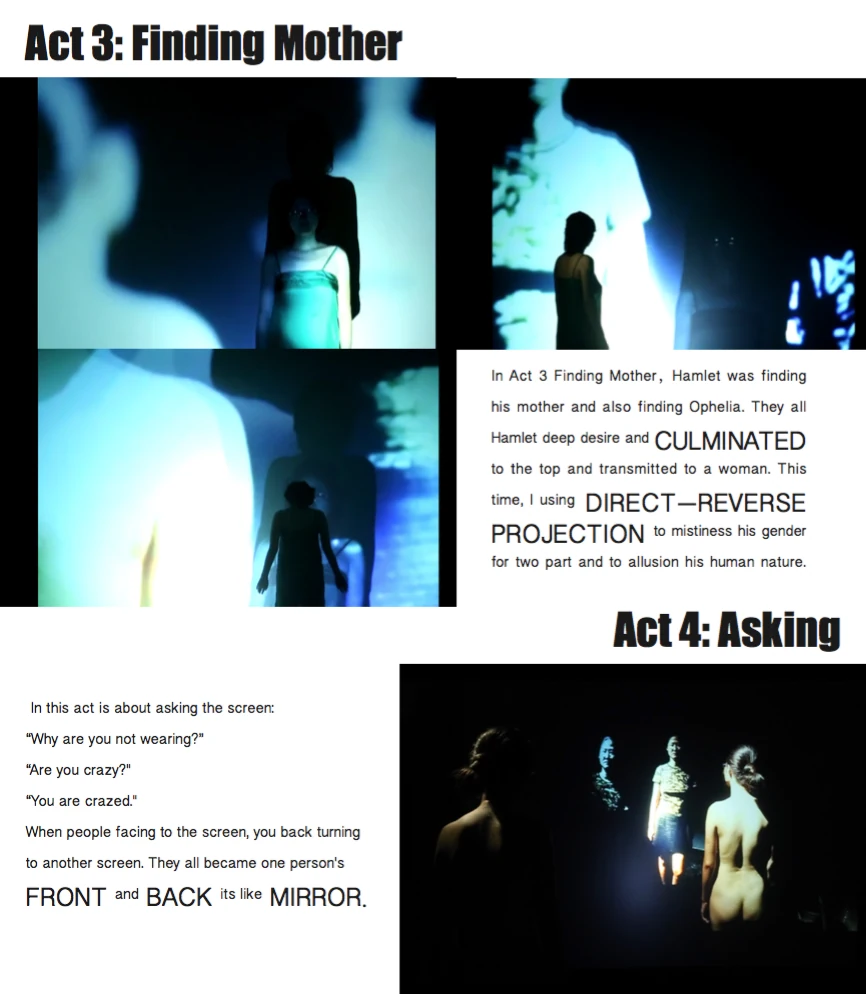
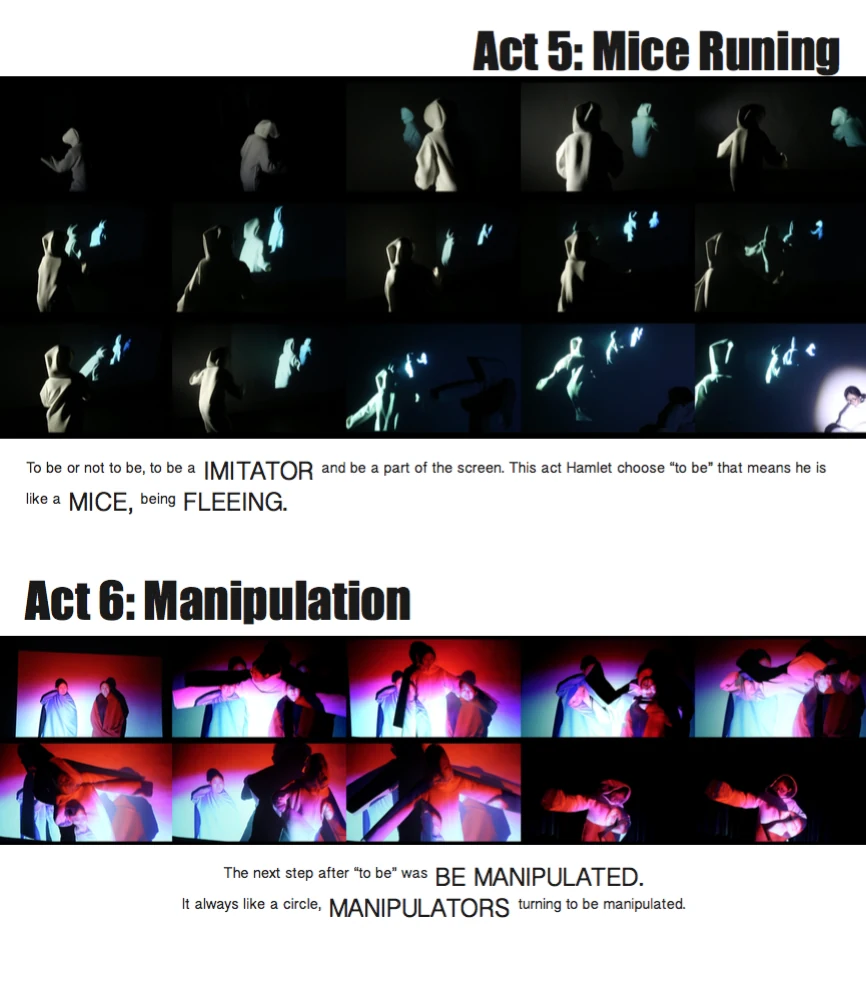
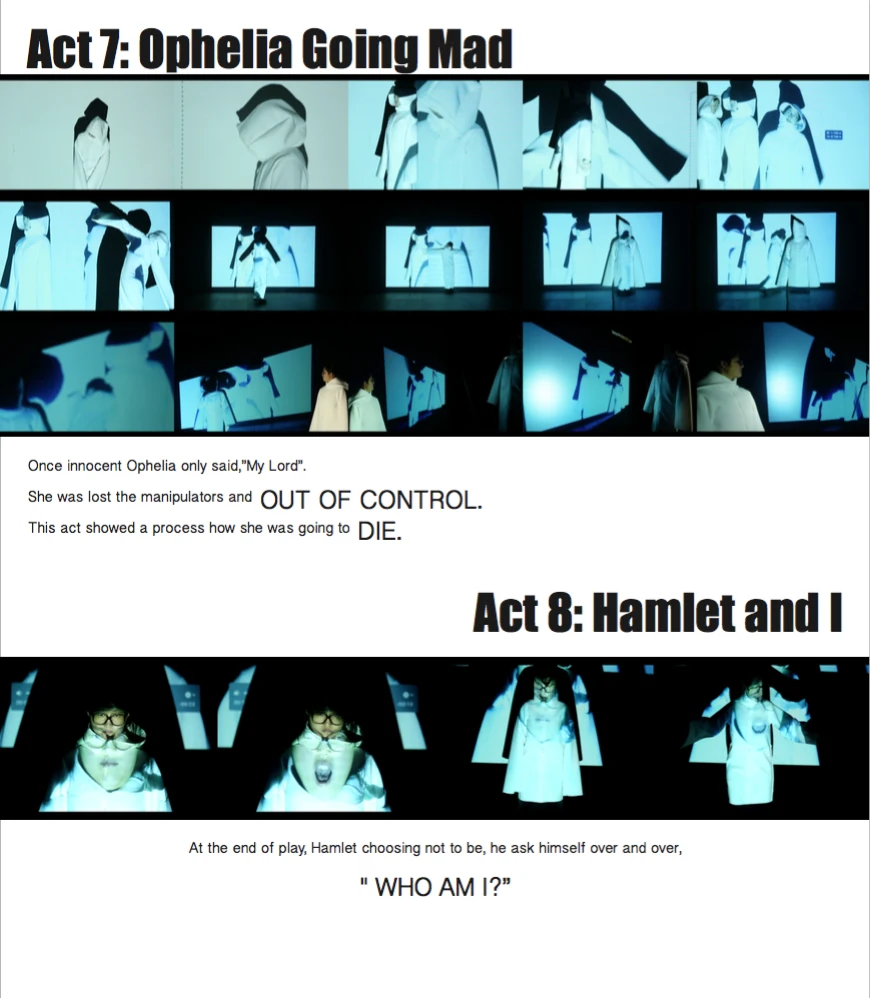
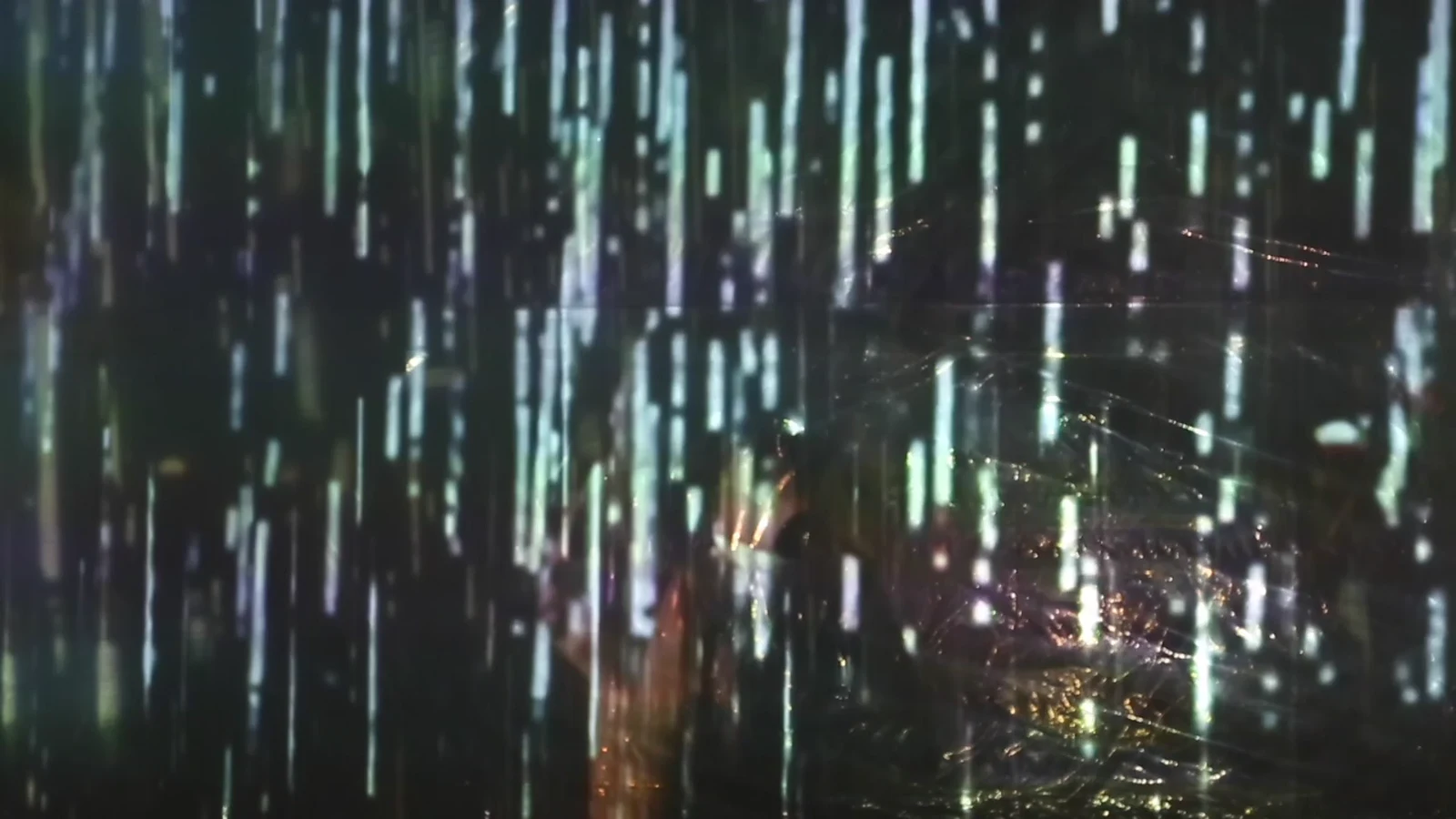
Prepared from pages 31–40 of He Fa Portfolio 3. The portfolio’s linked excerpt has been matched to a retained video file lasting 3 minutes 48 seconds. The 20-minute final version mentioned in the portfolio has not yet been matched to a retained file. The documentary duration and the available viewing version are kept distinct.
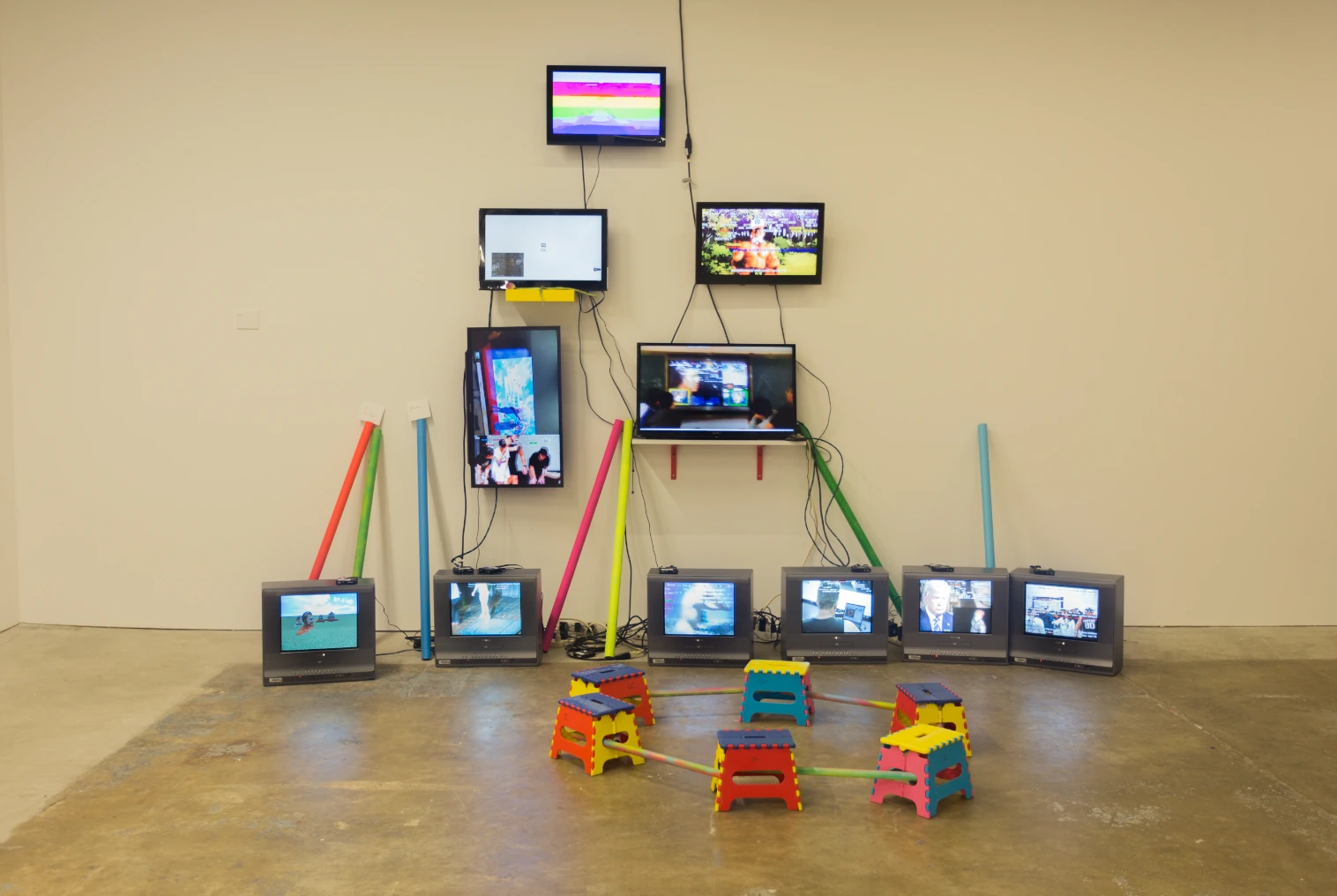
Screens are connected and people sit together. When does connection become participation?
Selected works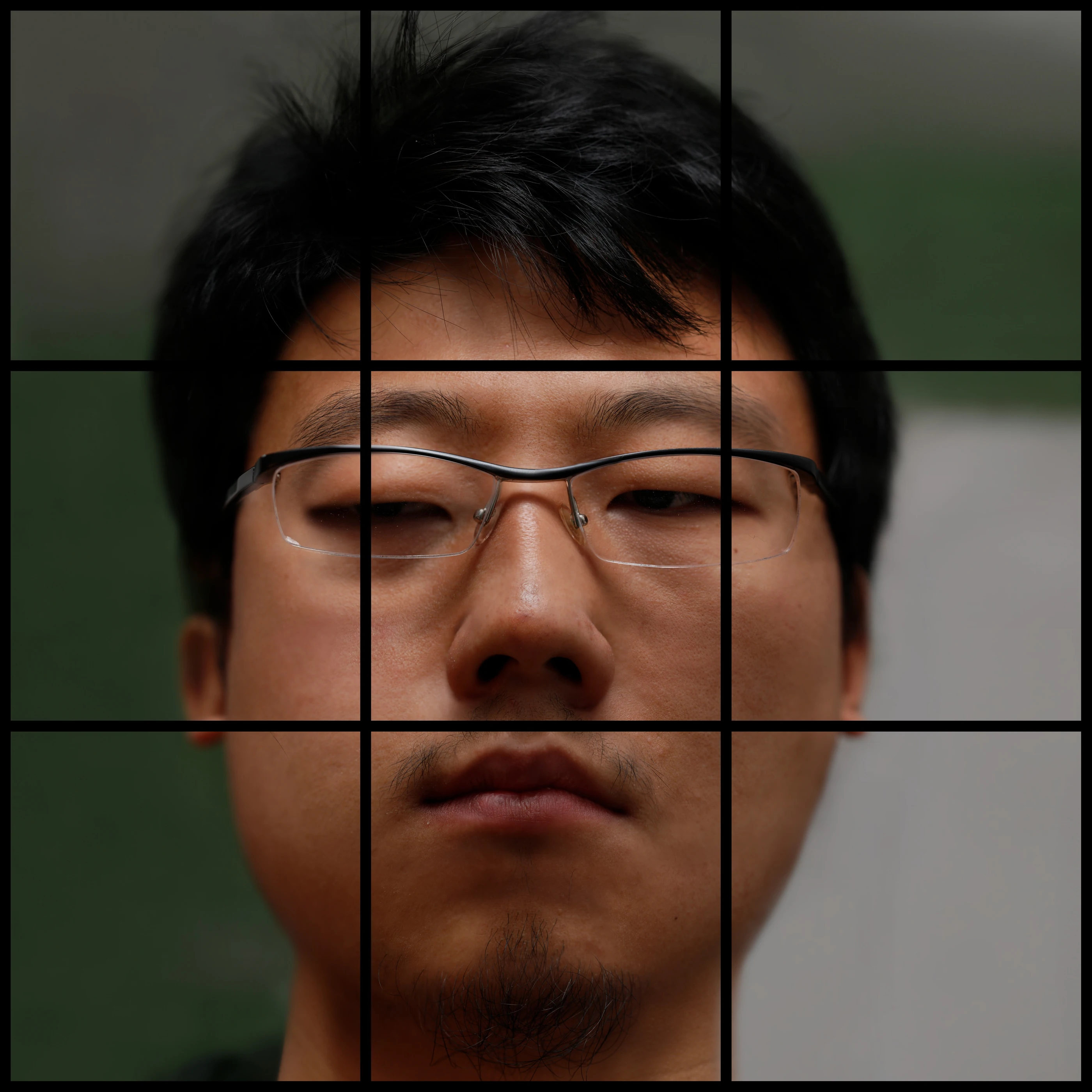
A macro lens travels across the body; individual photographs assemble into an enlarged self-portrait.
Selected works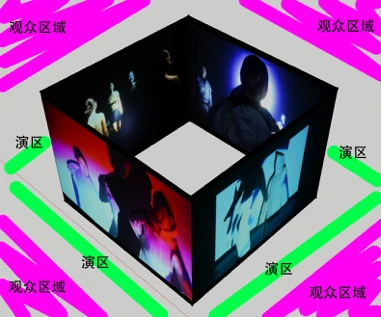
From one screen to a four-sided enclosure, extending the displacement between audiences, performers and images.
Proposals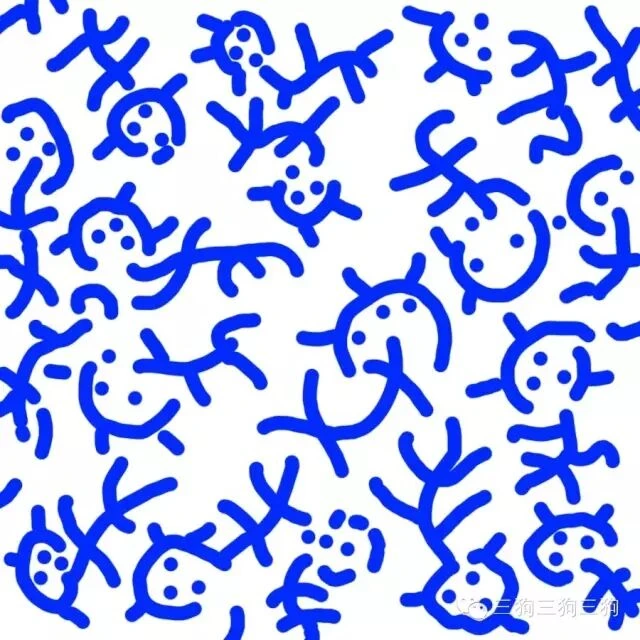
A virtual character builds a theatre through repetition, transformation and brief pieces of language.
Selected works
An immersive experience created by FakingAosome at P4 Theater, combining drama and games.
Collaborative practiceCLOSE READING / 2026 CURATORIAL INTERPRETATION
When my image returns to my body, where is the character?
The figure on screen does not remain safely at a distance. When projection returns to the body, the performer carries an earlier self while present movement can block that image. Obstruction can therefore change where a scene takes place. The body is more than an instrument of emotional expression: it is a surface through which images appear, lose coherence and shift position. Viewers continually compare live action, recorded action and the location produced by projection.
The work shares the early montages’ problem of a whole made from several positions, but the medium changes its consequences. A photographic seam can be fixed; the intervening body renews the boundary from moment to moment. Shakespeare’s character becomes material for the two makers to divide, inhabit and address rather than an endpoint to reproduce faithfully. Presenting the original beside the four-screen proposal shows a spatial problem being rewritten, while keeping an unrealized plan distinct from exhibition history.
The duration of a surviving fragment is not the duration of a complete performance. Realization of the four-screen proposal is unverified.
Based on the 2015 portfolio and the CAFAM proposal jointly signed by He Fa and Zhang Aoshuang on 5 September 2016.
Follow works back to signed texts, with writing at the time, later reflection and participant accounts identified separately.
Reading connectionLooking back in 2022, He Fa returns to Shadow Counterpoint and Hamlet’s Mirror, then recounts a separation between collaborators and the restart at 510. A few chairs, two desks and a small office provided conditions for work such as Iceberg to continue. Moves, collaborations and repeated beginnings connect the productions.
Hamlet’s Mirror, 2015. Moving image and performance. He Fa’s role: Co-created by He Fa and Zhang Aoshuang (FakingAosome).
Cite this record: Hamlet’s Mirror · 2015 · Co-created by He Fa and Zhang Aoshuang (FakingAosome) · https://hefa.p4theater.cn/en/work/hamlets-mirror
TAKE A PATH ACROSS
Body and presence
Hamlet’s MirrorFour-Dimensional People
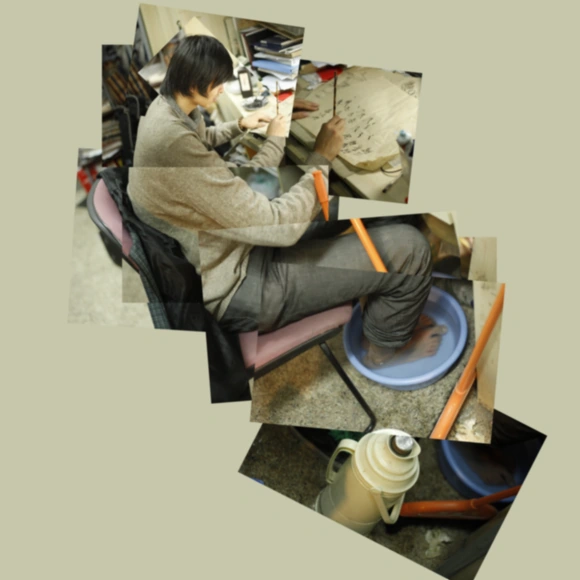
Four-Dimensional People retains bodily displacements through rectangular photographs; Hamlet’s Mirror returns projection to a living body. The former fixes its seams, while obstruction in the latter happens anew through performance.
Pages 36–37 of the early portfolio contain this series; in the first image, the body, chair and objects are assembled from misaligned rectangular photographs.
The portfolio statement identifies the interaction of performer, large screen and projection, grounding the comparison of bodily obstruction and images projected back onto a body.
Versions of a work
Hamlet’s MirrorSangou GIF Theatre
FakingAosome’s Hamlet’s Mirror displaces live bodies and projections; Sangou GIF Theatre organizes loops through virtual figures. The duo explores different theatres, and a preceding physical performance cannot be assumed for the GIF work.
The portfolio statement identifies the interaction of performer, large screen and projection, grounding the comparison of bodily obstruction and images projected back onto a body.
The 2016 proposal jointly signed by He Fa and Zhang Aoshuang lists Sangou among FakingAosome’s works and describes virtual characters, GIF drawings and a collaged theatre.
FROM HERE, ELSEWHERE
A dramatic character passes through fragments, projection and bodies, no longer occupying one place.
Screen, projection and the body that blocks light jointly decide where a character appears.