2015–present↗
P4 Theater
Spaces, participants, events and documentation change one another through sustained work.
Collaborative practice2020 / Dance theatre and collective production
Sixteen days and nights bring unfamiliar bodies, disagreements and shared work into the theatre.
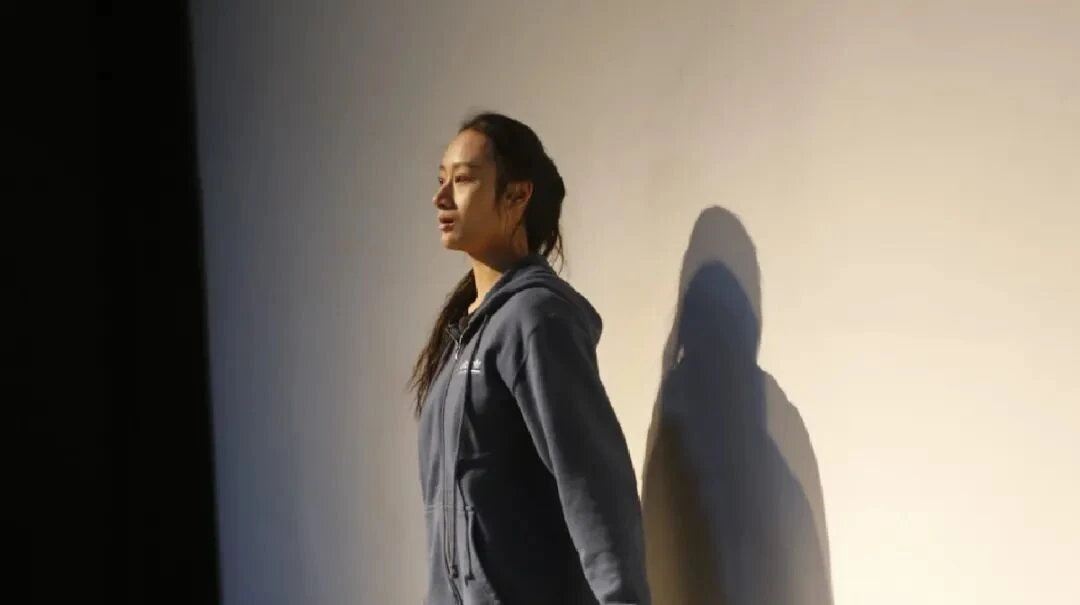
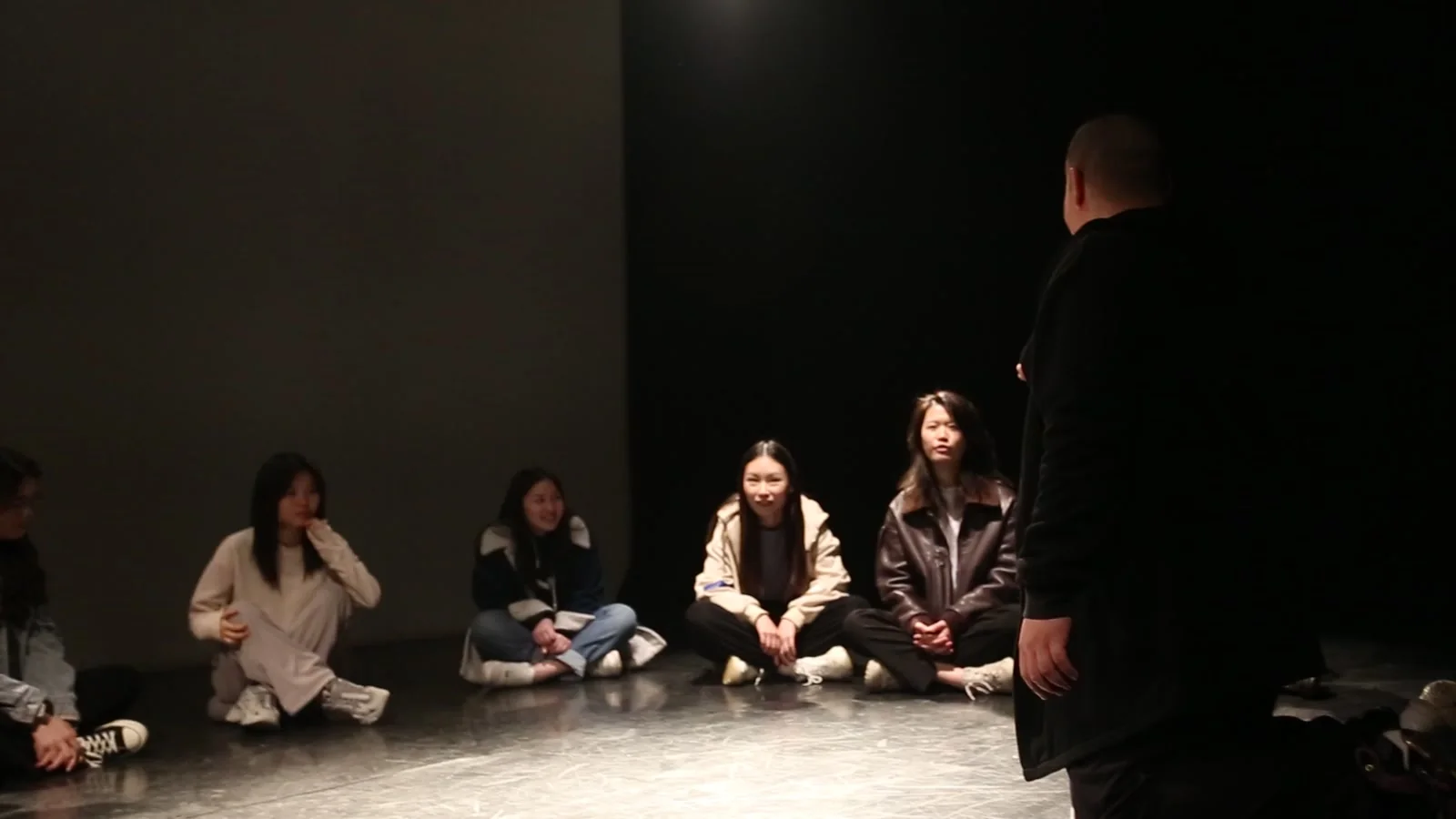
Cocoon is a dance-theatre work concerned with prejudice. Writing on 29 October 2020, He Fa records that director Huang Yiyin agreed the schedule with him and Zhang Shaohua in September. Recruitment began in early October, continuous rehearsals on the sixteenth, and the presentation followed at the end of the month. A production of nearly twenty people brought performers, dancers, lighting, documentation, publicity and audiences into a shared period of preparation. November’s backstage interviews continued the account through individual participants’ experiences.
Huang explains in the interviews that an initial concern with LGBTQ experiences developed into a broader inquiry into prejudice across genders and individuals. He Fa’s writing also records fatigue, lateness, physical strain, judgement and mutual support during production. This page preserves the work as both a performance and an event of working together: how bodies are seen, and how collaboration alters participants’ understanding of themselves.
“Theatre cannot happen only on the stage.” He Fa includes conversation, photography, argument and a passing glance among the conditions through which theatre happens. In the backstage interview, he stresses that differing roles do not prevent participants from expressing their views.
Compiled from the listed P4 documents, with later recollections dated separately. Editorial description and source excerpts are distinguished. English translations were prepared for this archive.
Spaces, participants, events and documentation change one another through sustained work.
Collaborative practice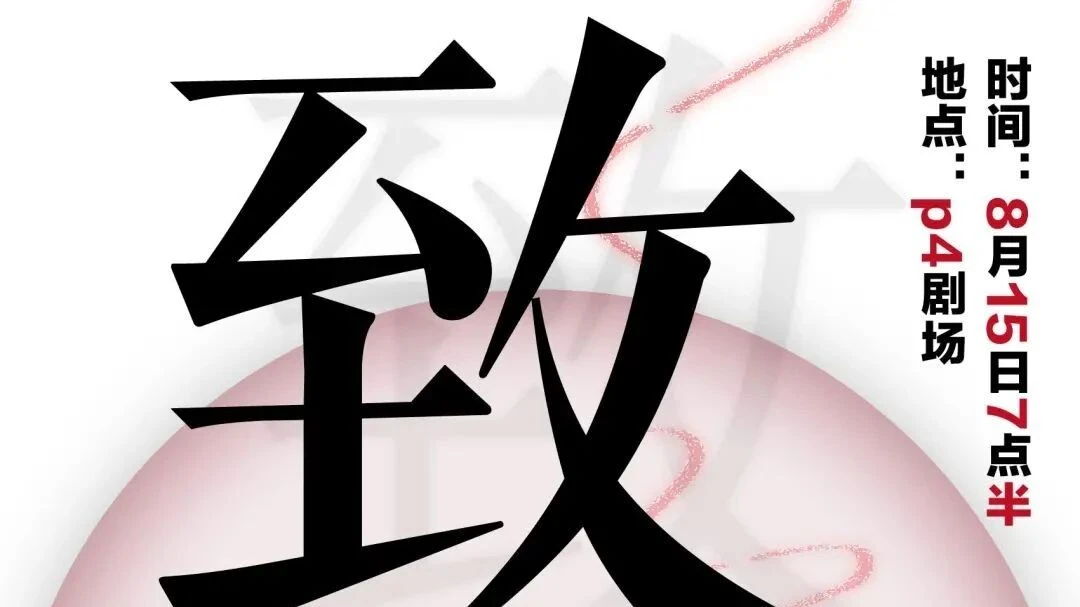
A theatre production connecting Shixiang with the emergence of the 3P group.
Collaborative practice
A familiar act becomes a question to experience together.
Collaborative practiceCLOSE READING / 2026 CURATORIAL INTERPRETATION
Whose bodies and time make the event possible?
This dance-theatre work cannot be understood only through attractive performance images. The contemporary text records repeated falls on a slippery stage, lateness, fatigue, injury, hunger and mutual judgments. These are not irrelevant matters outside creation. Whether a body can continue, and how members allocate time from their lives, directly determine what the evening can contain. Collective intensity has a specific process of production; final excitement cannot by itself establish a liberation shared by everyone.
He Fa stresses both equal respect and the necessity of continuing. Their coexistence has more intellectual weight than a frictionless account of co-creation: the ability to voice an opinion does not mean equal exposure to pressure. Performance, rehearsal schedule and backstage accounts should be read against one another. His importance here lies partly in organization and documentation. Assigning the entire production to him would conceal the collaborative structure through which it became possible.
Participant accounts remain individual accounts; the process is not presented as a verified therapeutic or collective psychological effect.
Based on He Fa’s signed text of 29 October 2020 and the November performance report and backstage interviews.
Follow works back to signed texts, with writing at the time, later reflection and participant accounts identified separately.
Reading connectionFrom Shixiang’s photographic research to open-call productions such as Cocoon, He Fa’s 2021 account describes the labour of providing space, practical support and temporary teams. He also acknowledges how his own judgments can redirect work and bring compromise or hurt. The theatre’s aspirations sit beside the decisions required to sustain it.
Reading connectionWritten before Cocoon’s 2020 performance, this account moves from scheduling into continuous rehearsal. Falls, fatigue, lateness and mutual judgments share the same days as performing, lighting, documentation and publicity. Alongside stage images, the article records how bodies bear the work of production and how many people prepare a single performance.
Cocoon, 2020. Dance theatre and collective production. He Fa’s role: Production and organisational collaboration, signed writing and participation in backstage interviews.
Cite this record: Cocoon · 2020 · Production and organisational collaboration, signed writing and participation in backstage interviews · https://hefa.p4theater.cn/en/work/cocoon
TAKE A PATH ACROSS
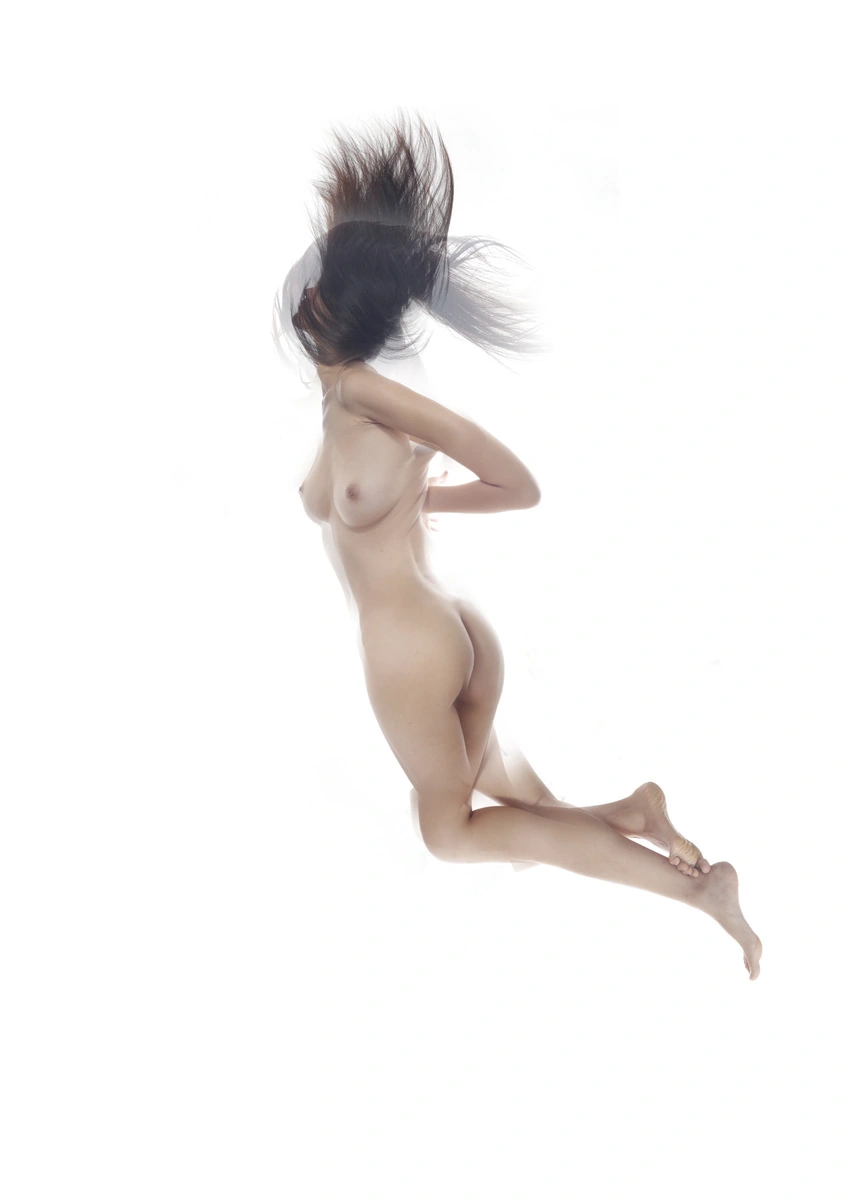
Body and presence
Illusion removes a clearly defined ground and support against white; Cocoon’s records retain rehearsal, falls and fatigue. Bodies become visible in both, while their conditions of production appear in contrasting ways.
The body in the first portfolio image is set against white, with no support visible; the photographs are not labelled as successive stages of motion.
He Fa’s text of 29 October 2020 and the November conversations preserve production records of recruitment, continuous rehearsals and bodily strain.
2026-10-04 / ARCHIVAL ADDITION
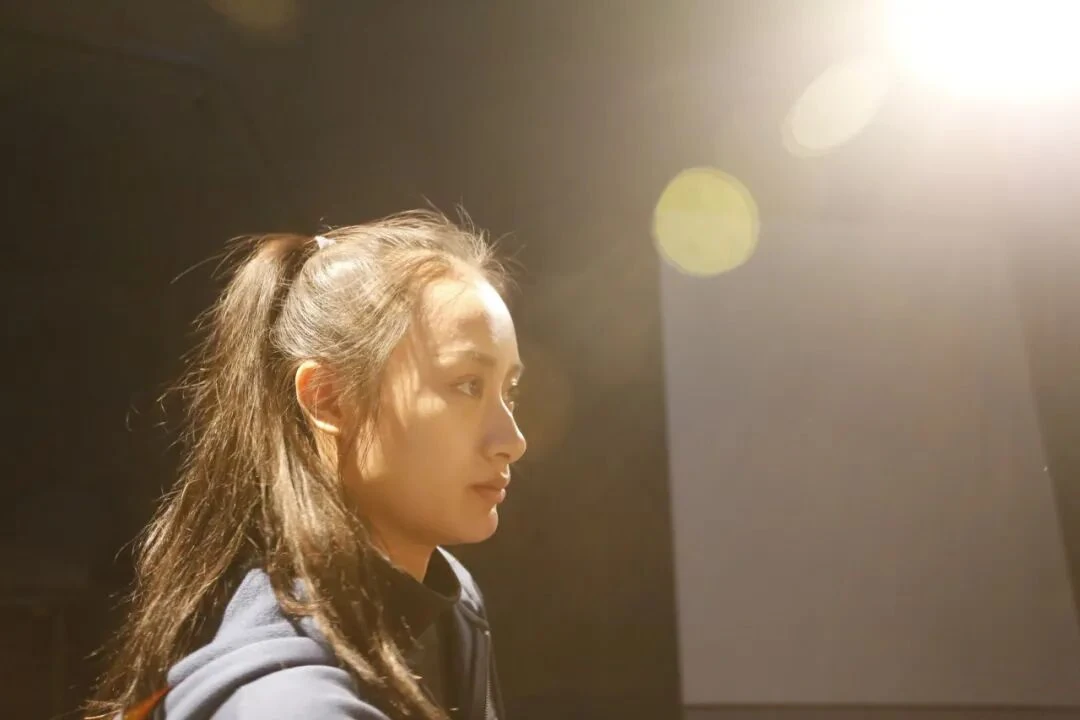
Source photographs and a trailer record retain different roles. Public presentation, rehearsal and the individual image are not collapsed into one finished version.
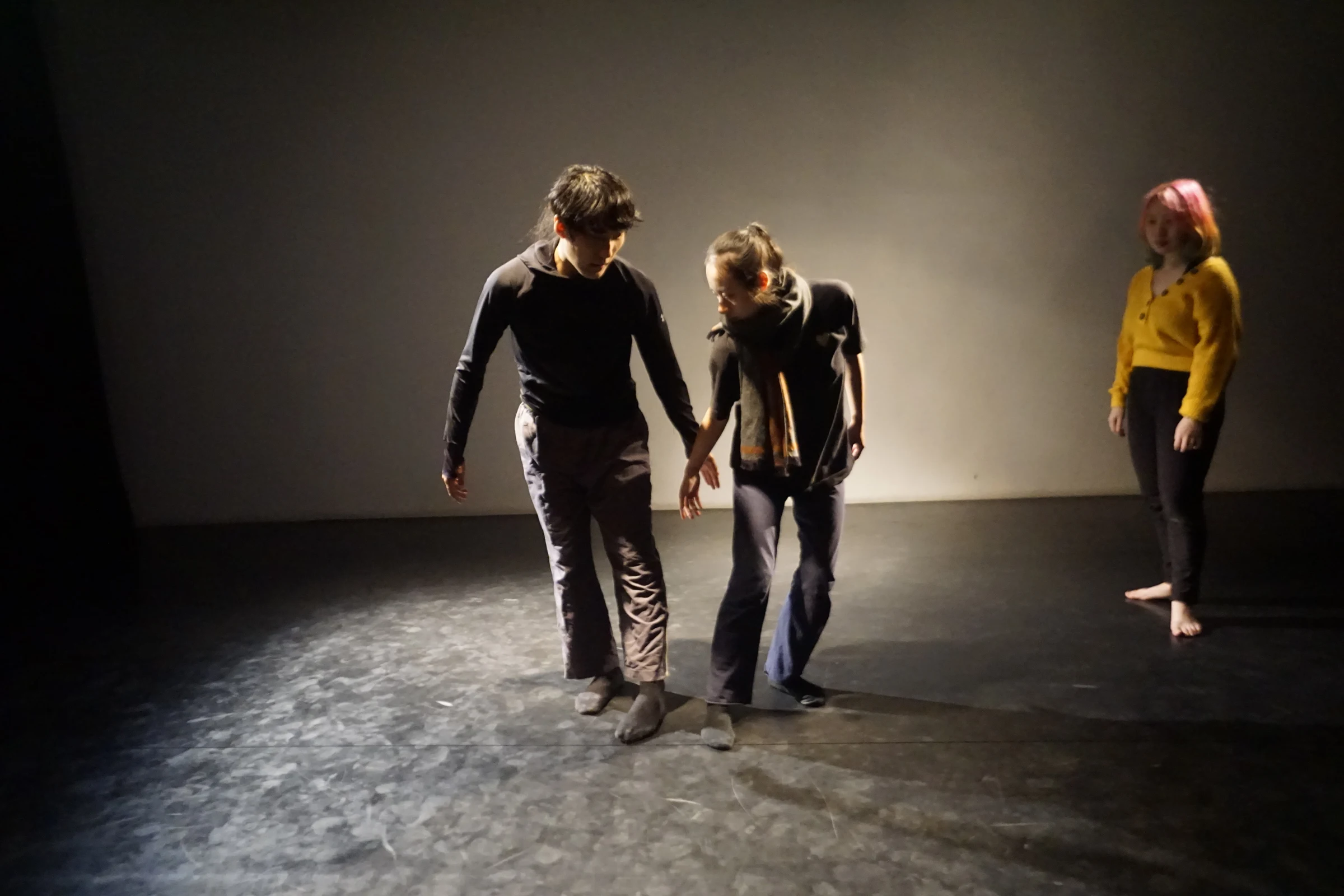
FROM HERE, ELSEWHERE
Director, performers, documentarians and organizers work to the same date; equality of voice does not automatically equalize their burdens.