2012↗
I
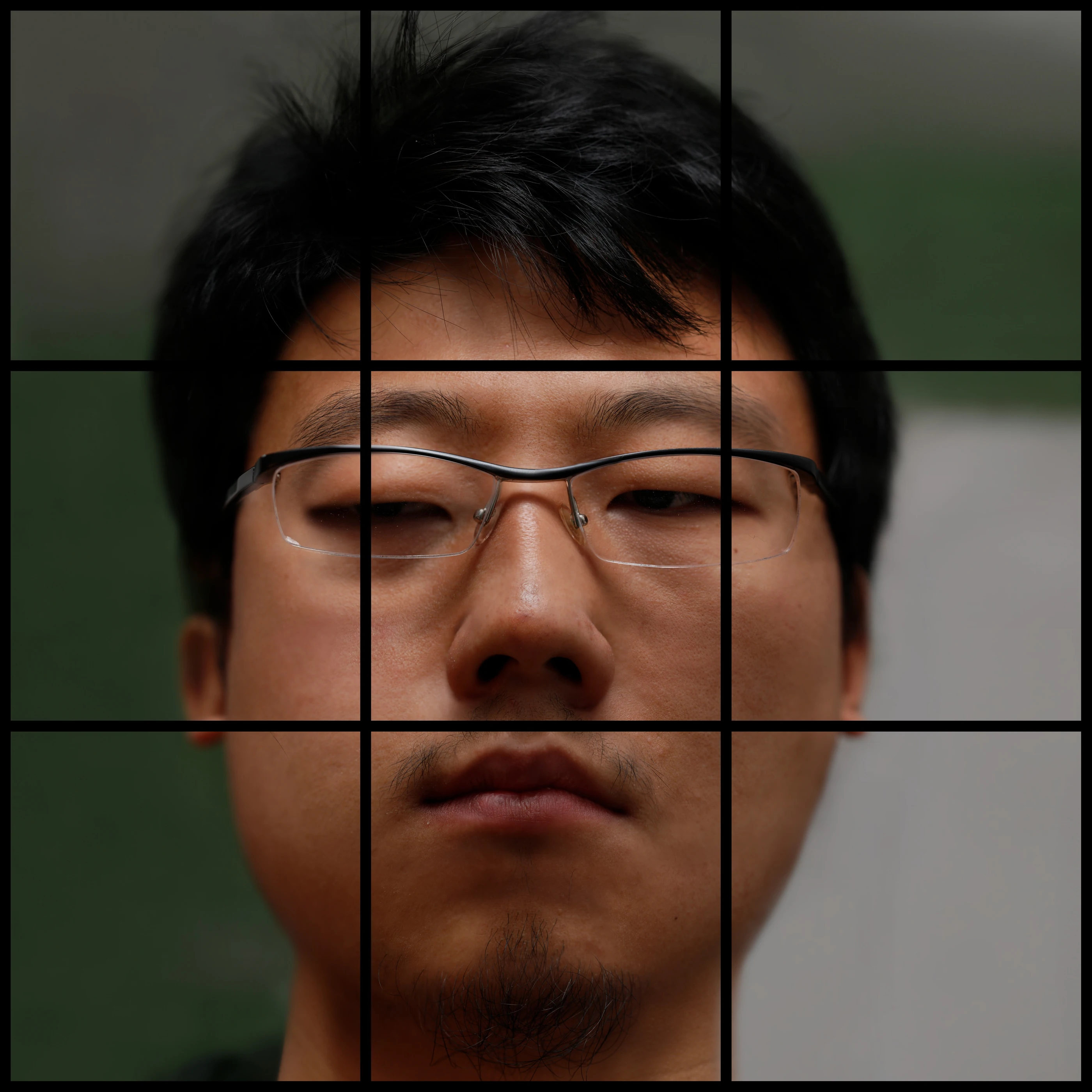
A macro lens travels across the body; individual photographs assemble into an enlarged self-portrait.
Selected works2013–2014 / Archival inkjet print
Works titled Wu reorganize photographs across landscapes, portraits, coloured points and writing.
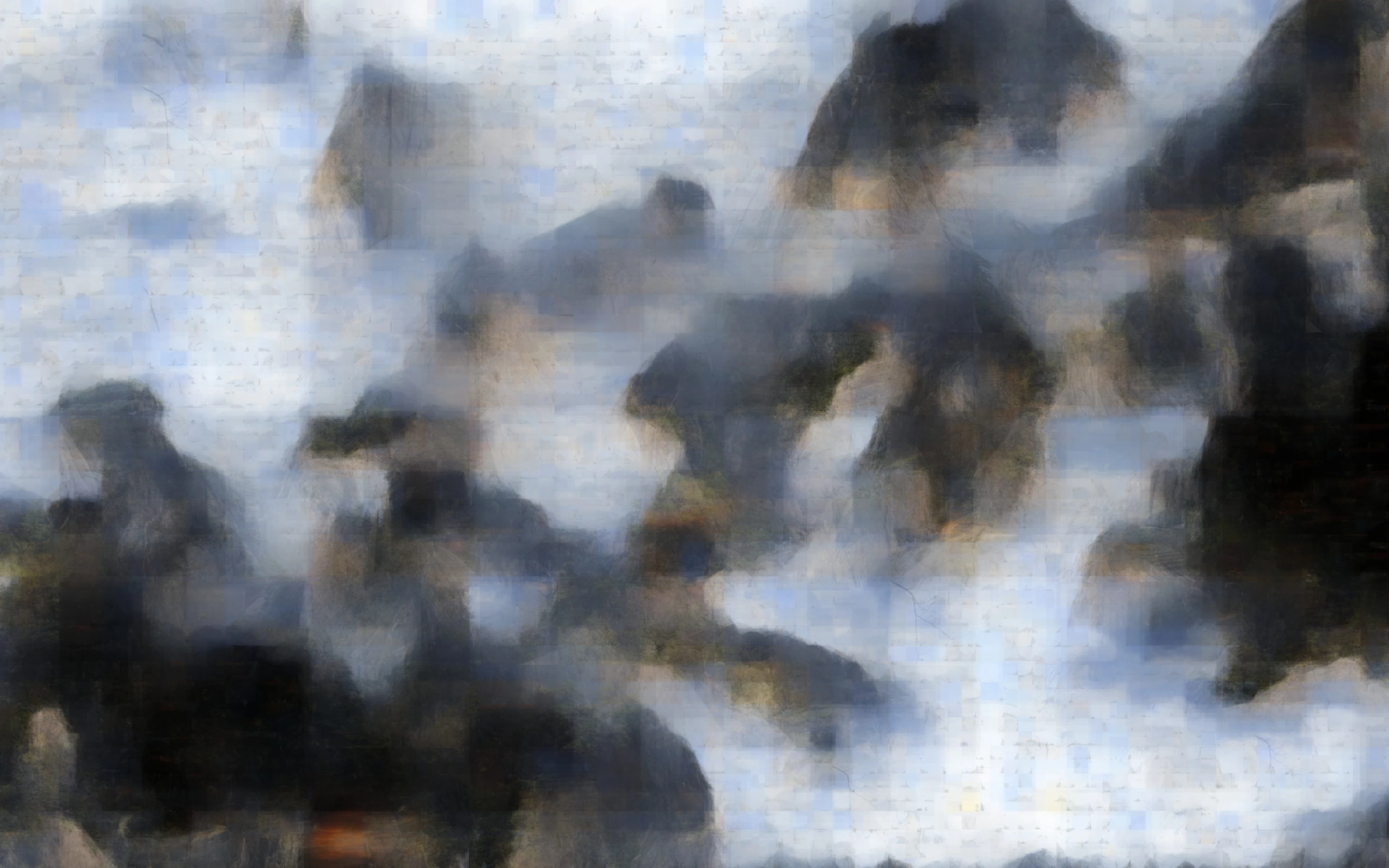
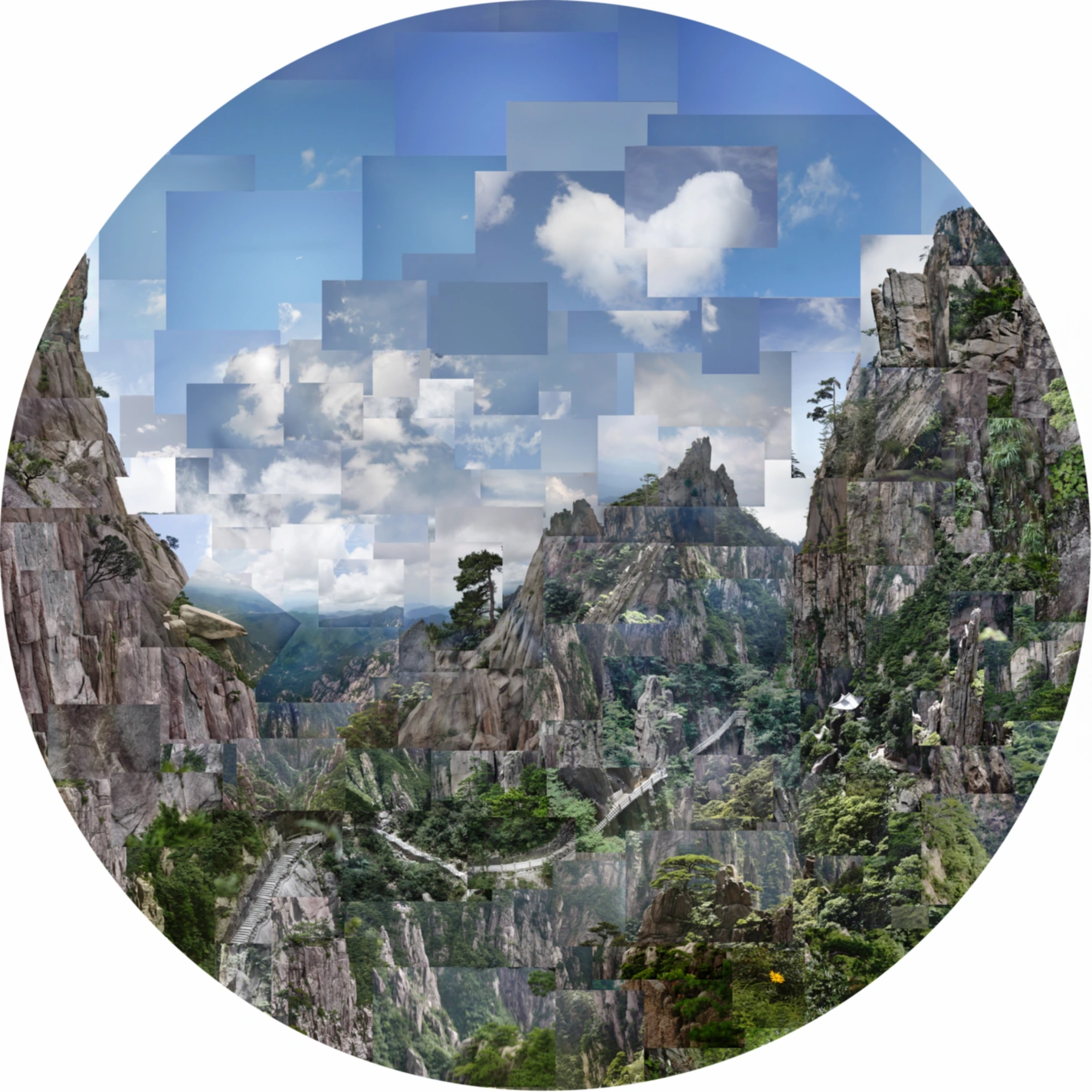
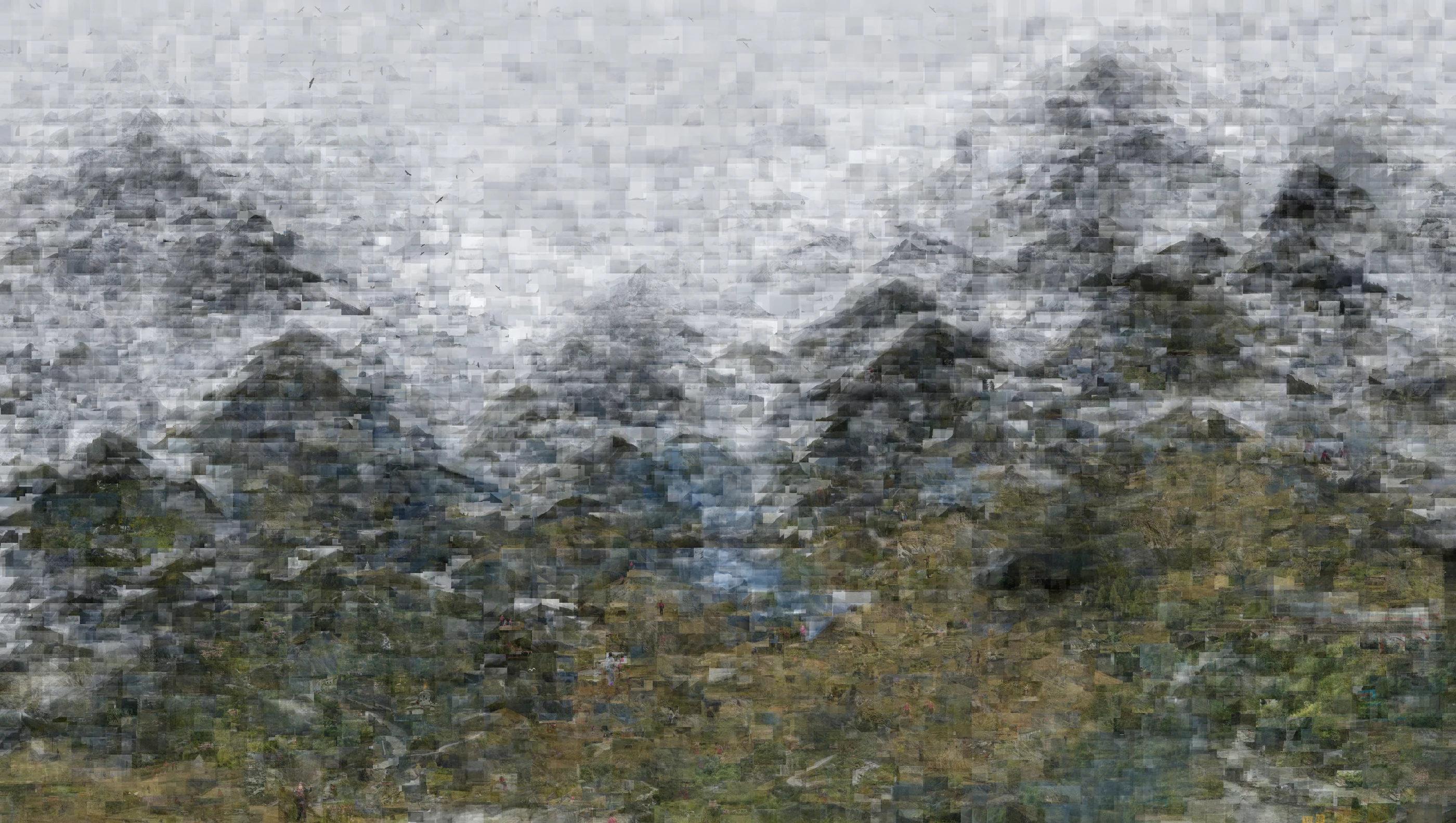
Wu recurs throughout the 2013–2014 portfolio without numbered titles. The images differ in subject and form: some use compositions associated with Chinese landscape painting; others break apart faces, scatter coloured circles or examine writing in an image labelled “Wu (detail).” They are brought together here while retaining their source titles and dimensions.
A short statement accompanies the 2013 work: photographs are placed into a familiar Chinese landscape composition and allowed to “grow freely.” Subsequent images bring repetition, overlap and fragmentation to different subjects. Across their visual changes, recognizable people or places coexist with moments when an image begins to scatter or lose focus.
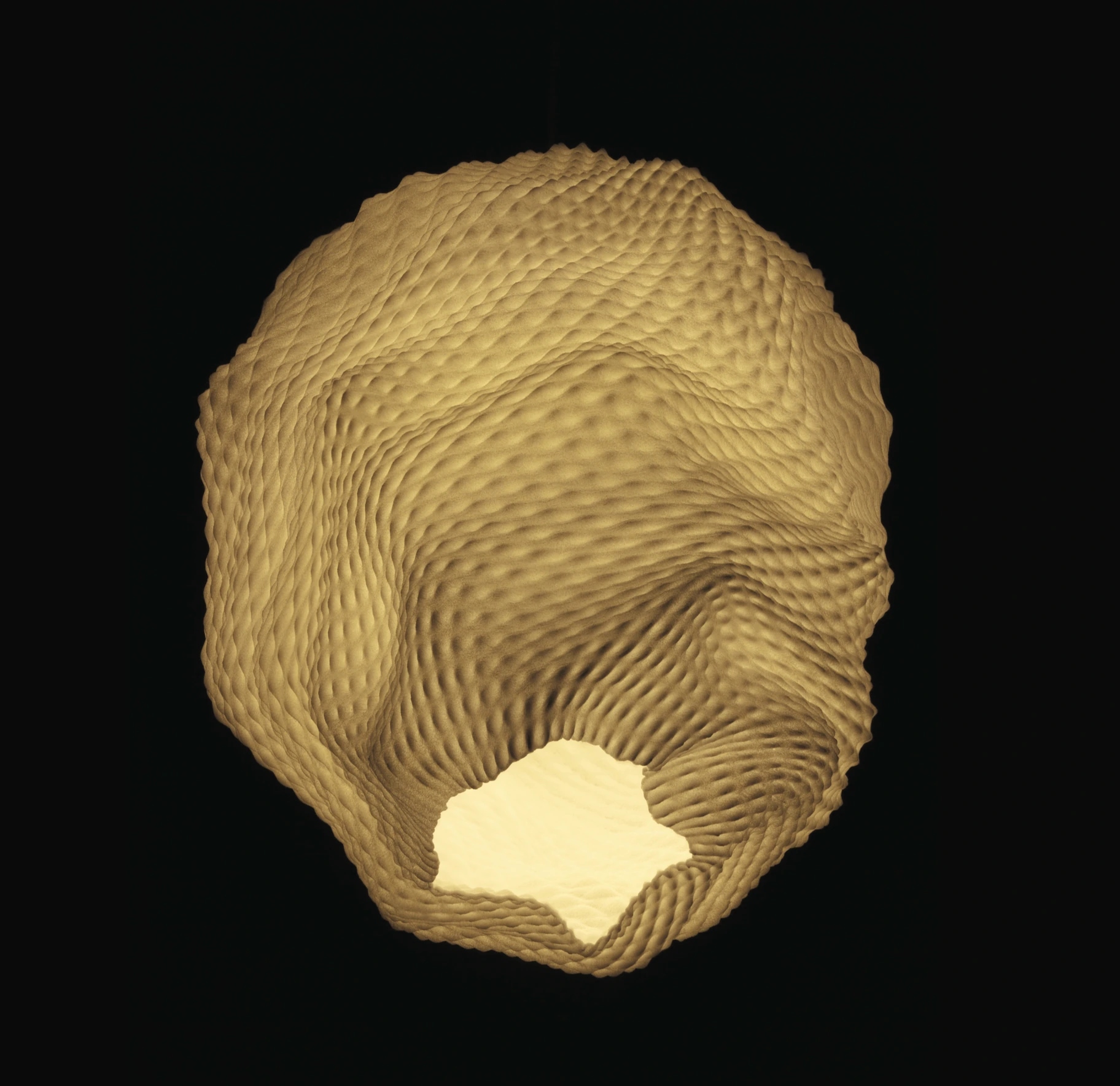
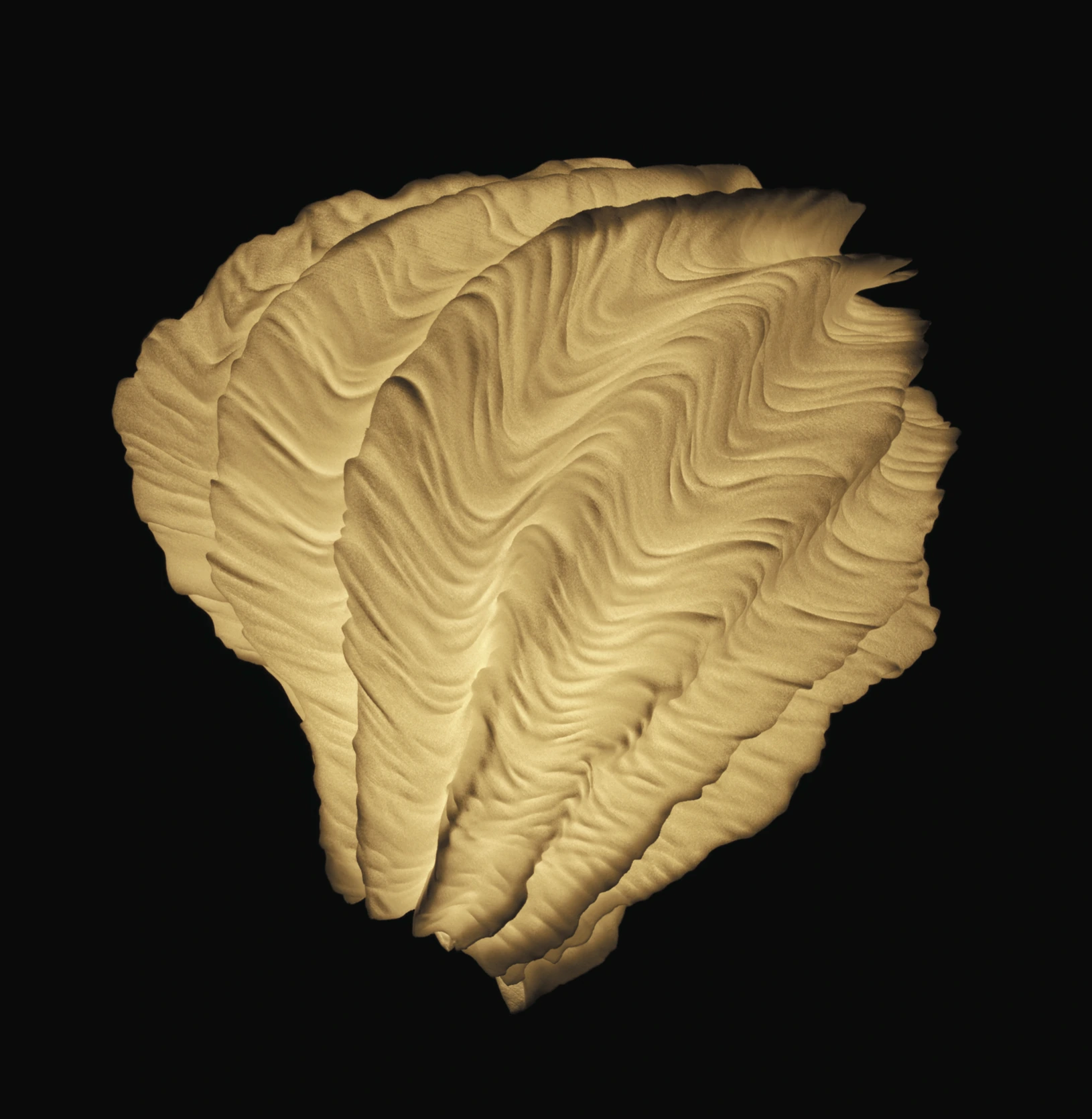
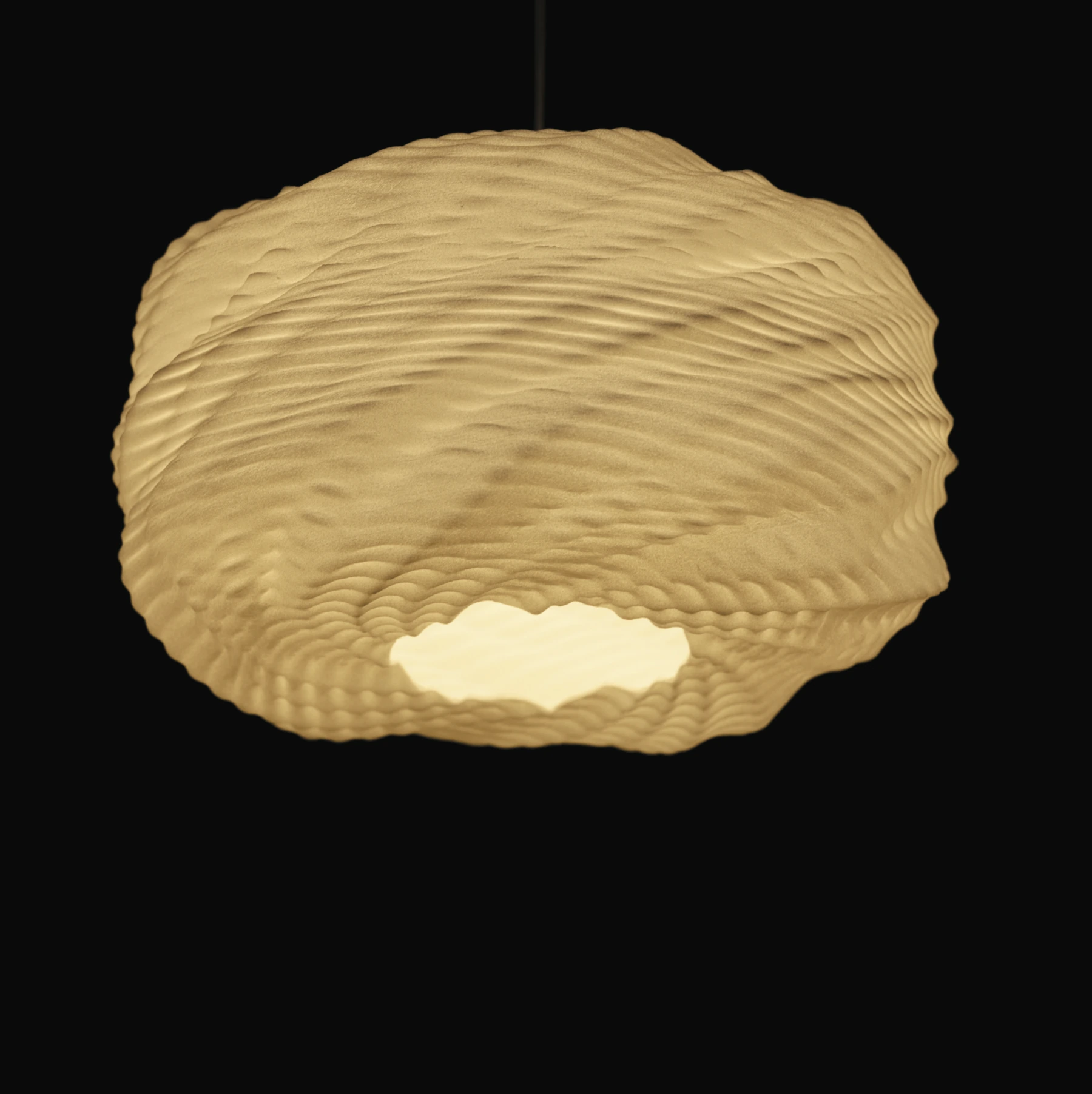
The last three works titled Wu in the PPT retained in the 2015 portfolio-preparation folder are each recorded as 2014, archival inkjet print, 120 × 120 cm. They place Twelve Water Lamps against black, using yellow transmitted light to reveal surfaces and textures. These pages record the images through photographic titles, media and dimensions, while also tracing movement between He Fa’s photography and the collaborative GEWU practice.
Source documents: 何发作品集(2015准备目录PPT), pp. 23, 24, 25.
On page 12 of the portfolio, tree trunks become displaced curves, with pale gaps giving them the appearance of writing. Page 23 turns existing written strokes back into lines to be looked at. Between them, the portraits hold a face together through repeated displacements of its features. These images test thresholds of recognition: when a tree resembles writing, a face becomes texture, or script ceases to read continuously. This is a visual relationship, not evidence of a single procedure stated by the artist.
Archive reading, 30 September 2026 · Site editorial interpretation, not an artist’s statement. Sources: He Fa Portfolio (PDF), pp. 12, 15–18, 23. English is an editorial translation; document titles are translated where needed.
ARTIST’S STATEMENT / PORTFOLIO
I put my photographs into one of the compositions most commonly used in Chinese landscape painting. I did not exercise any control; I simply let them grow freely.
Translated from the artist’s Chinese portfolio statement.
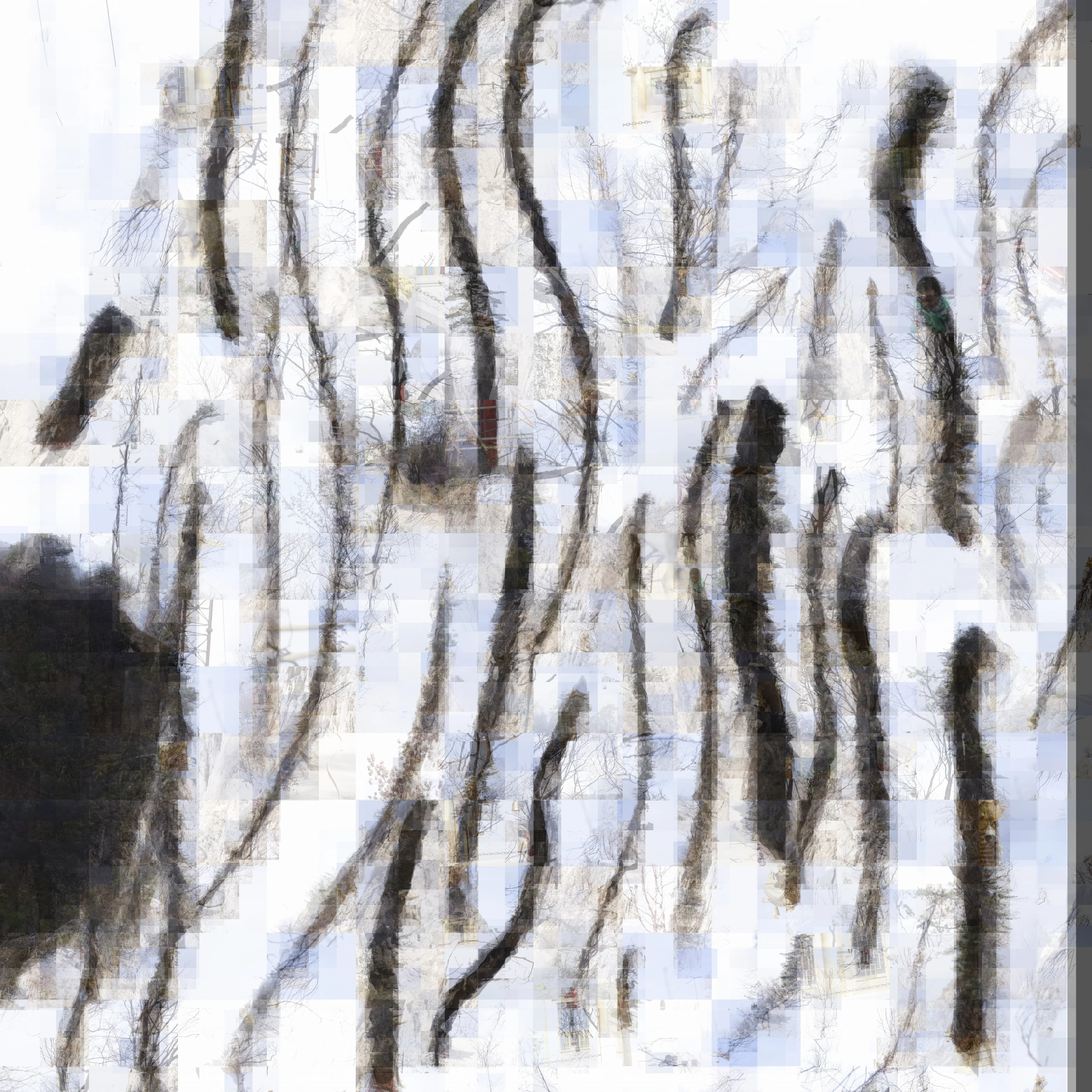
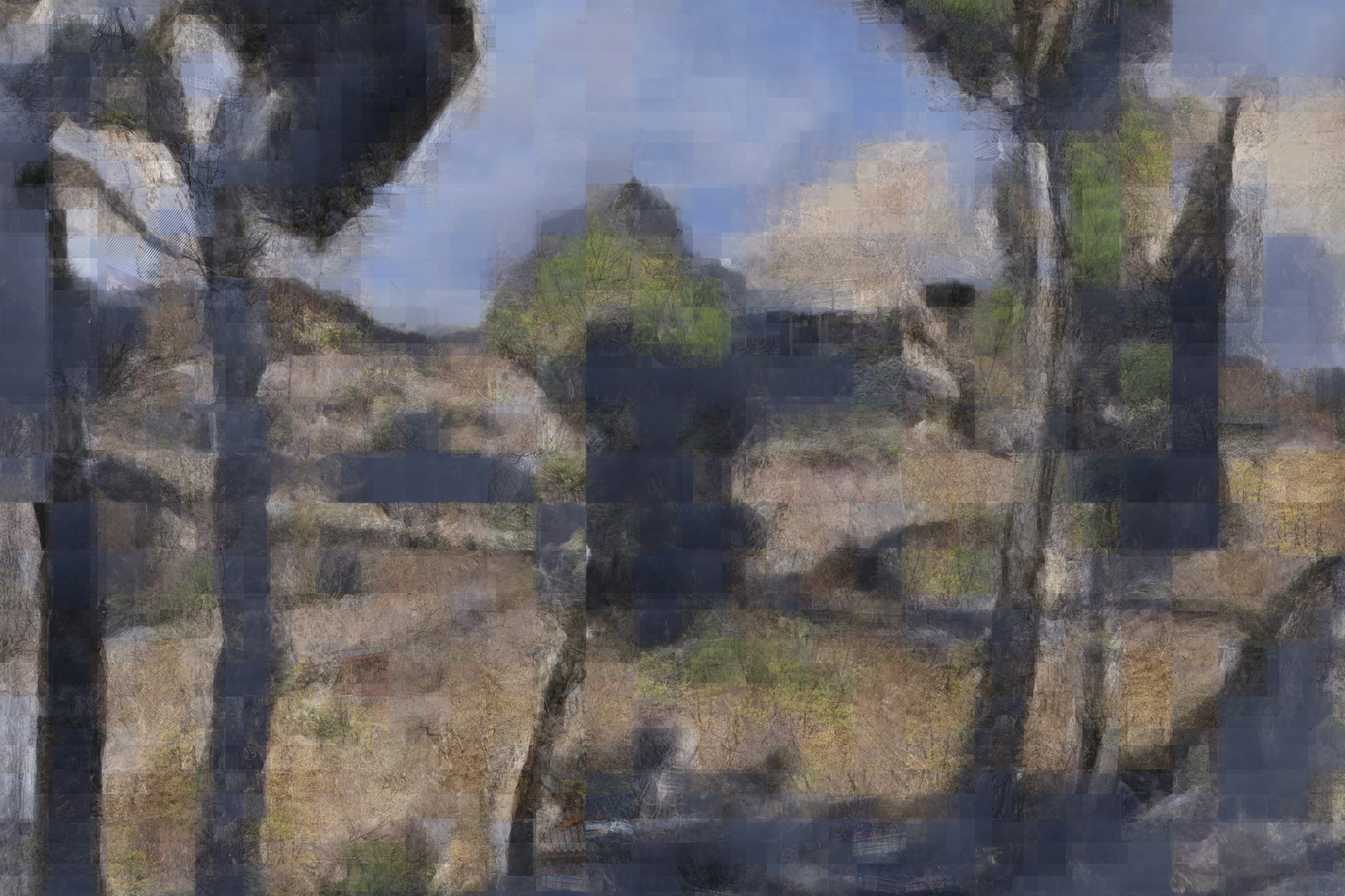
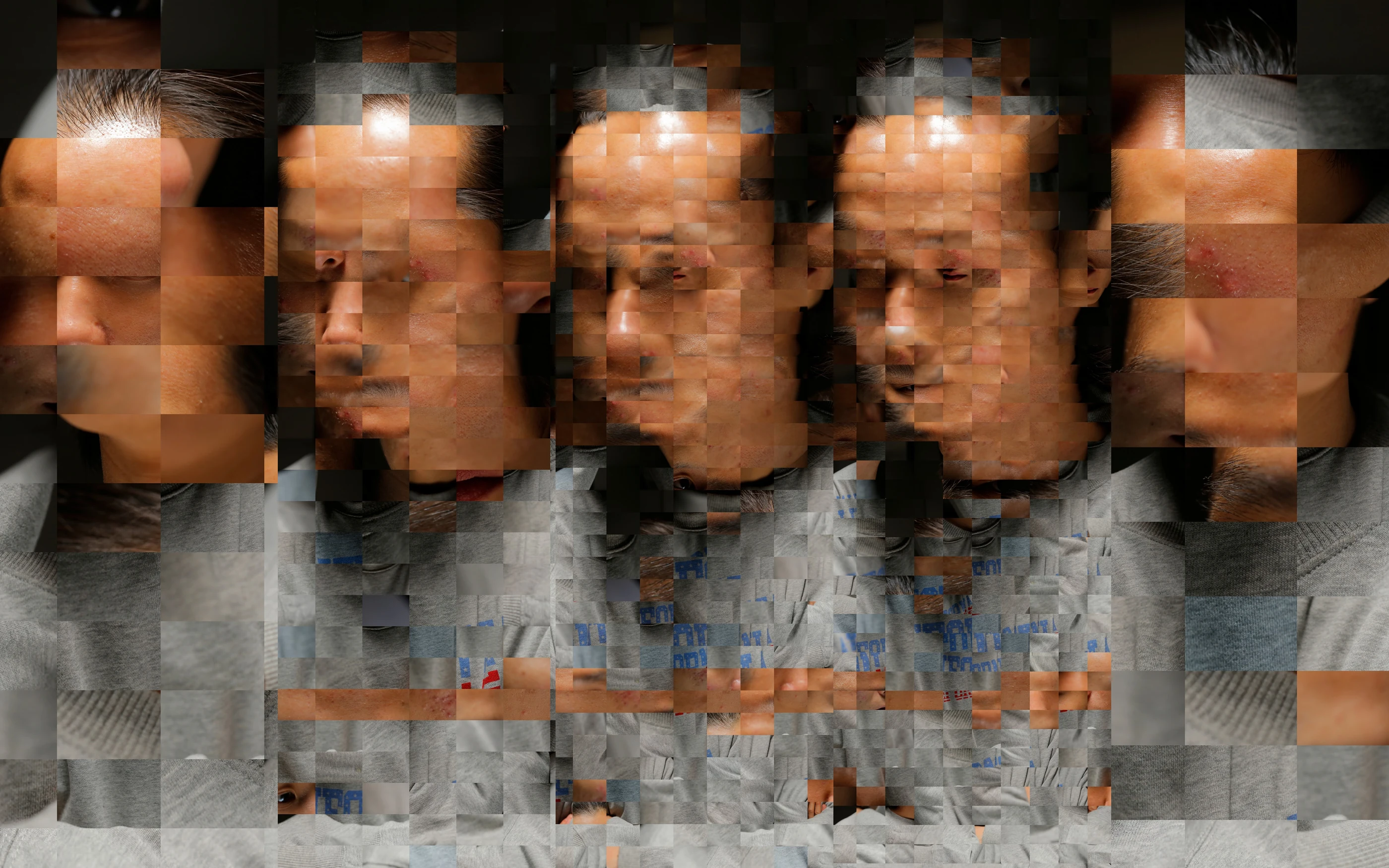
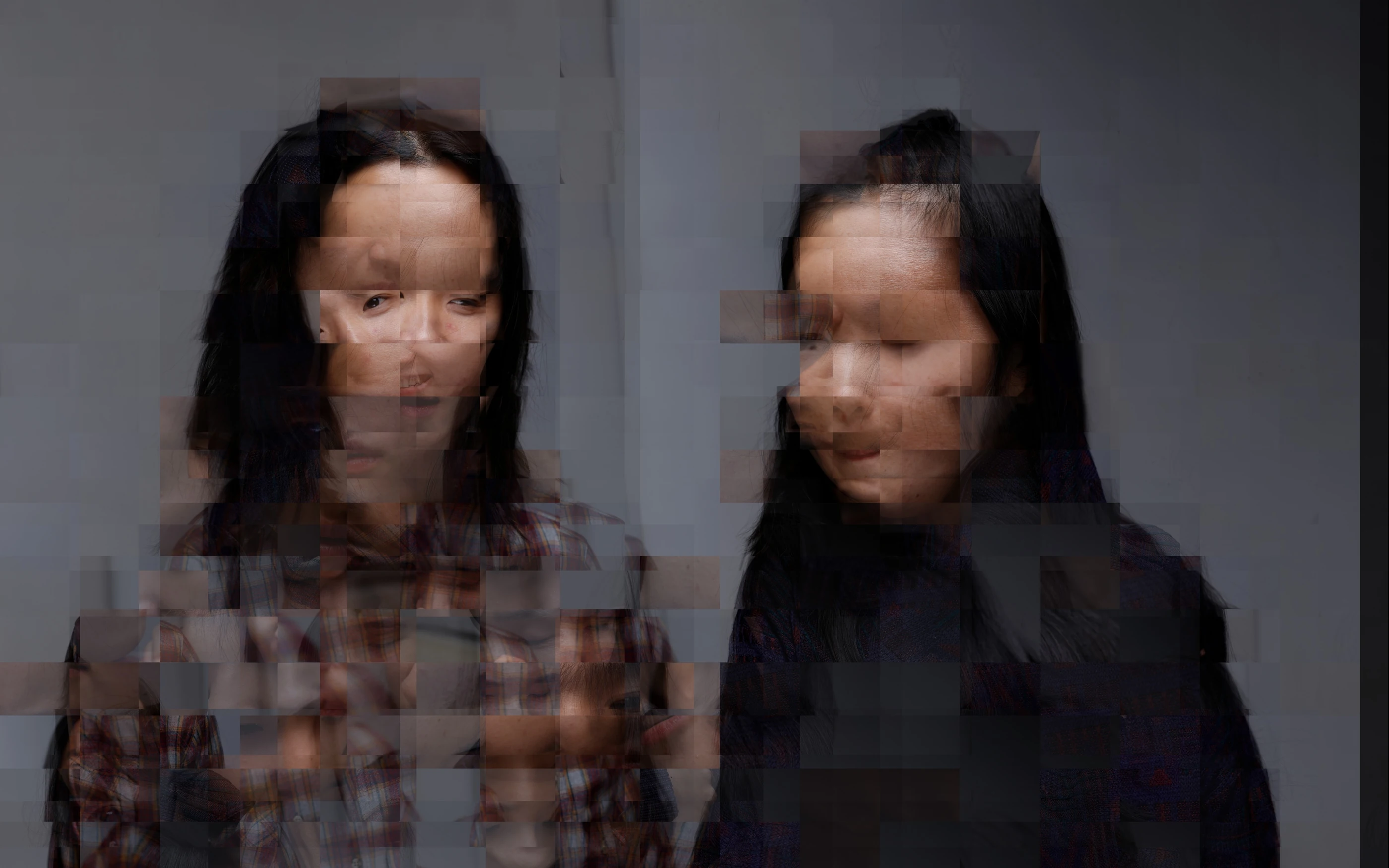
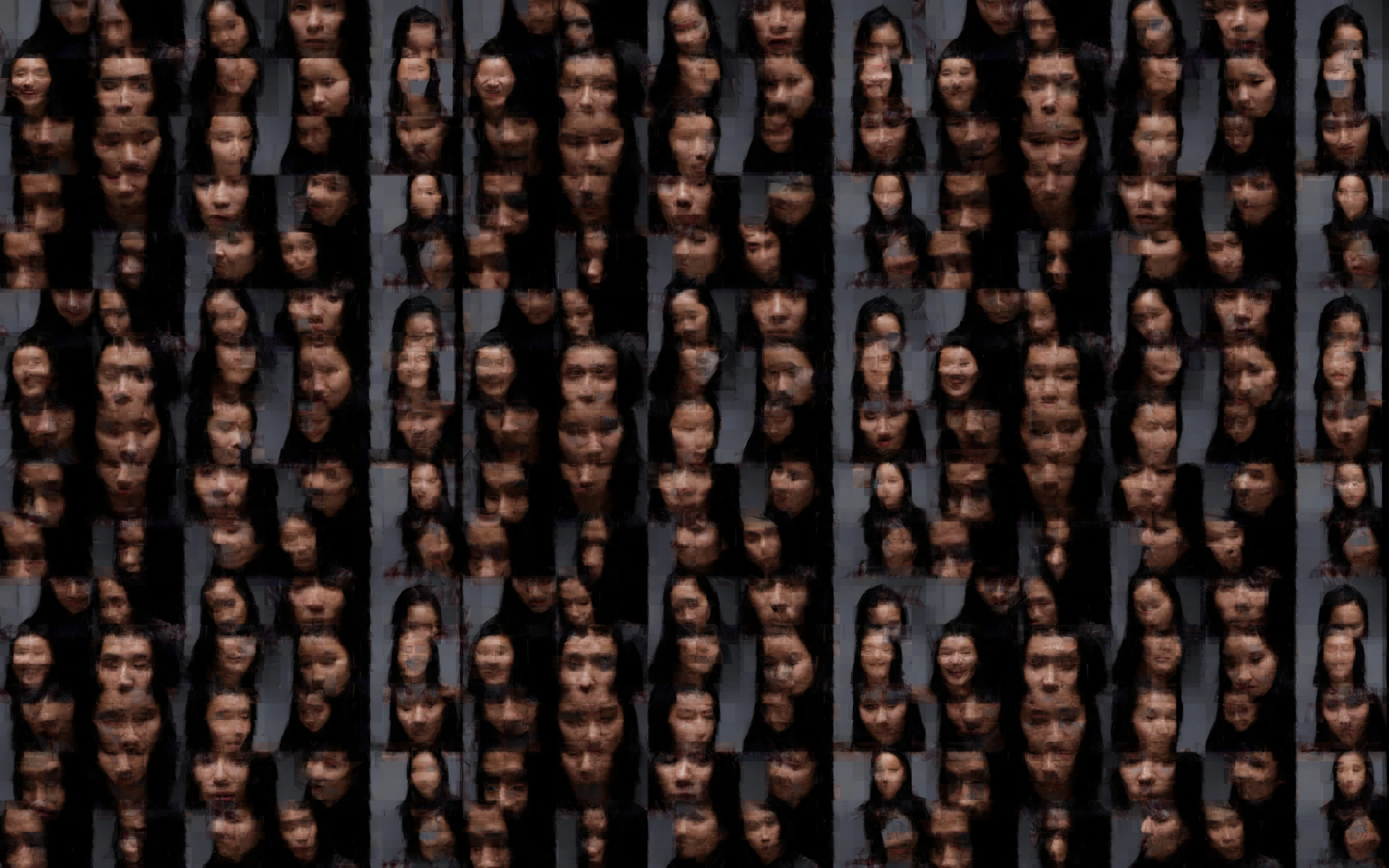
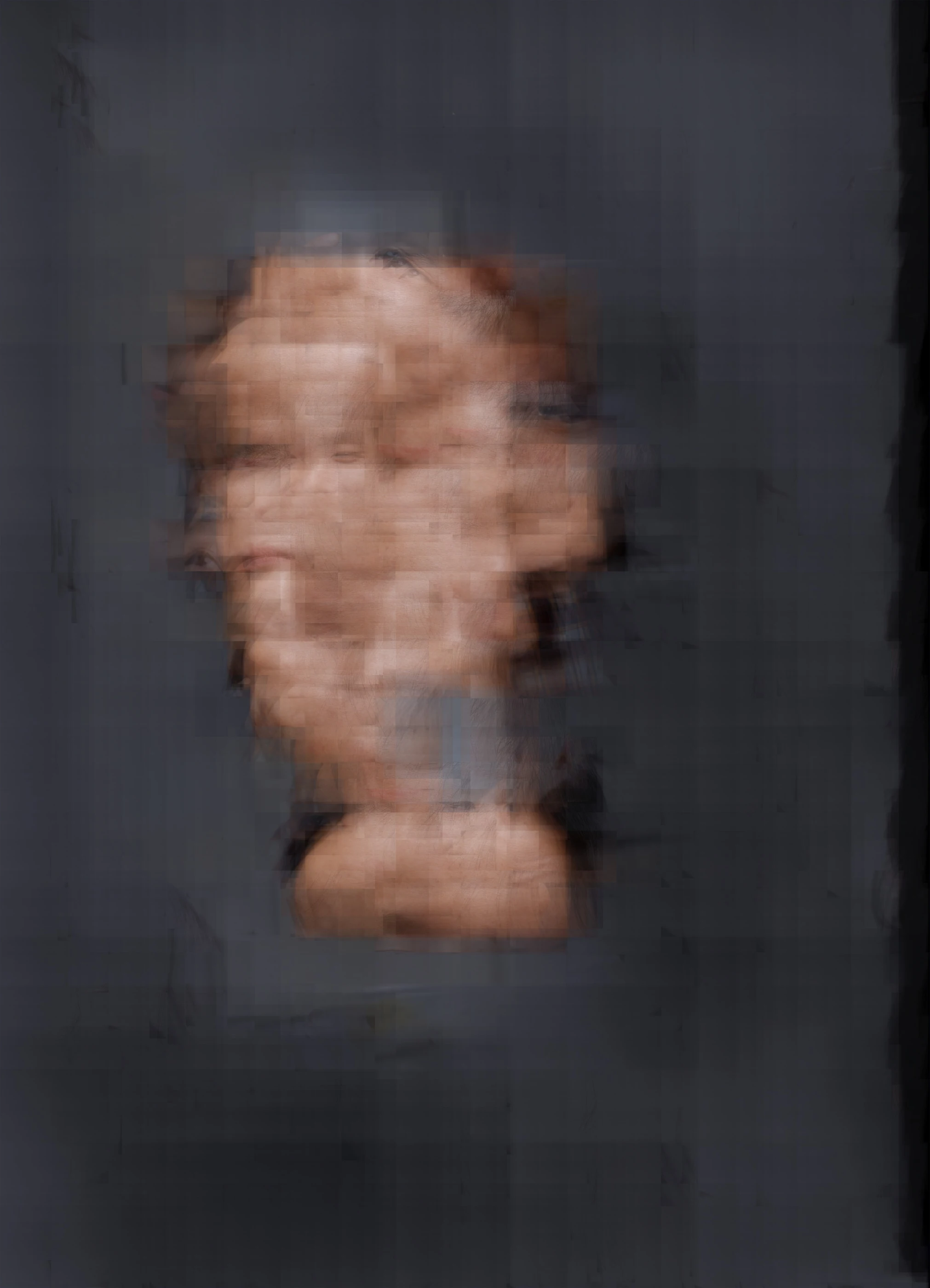
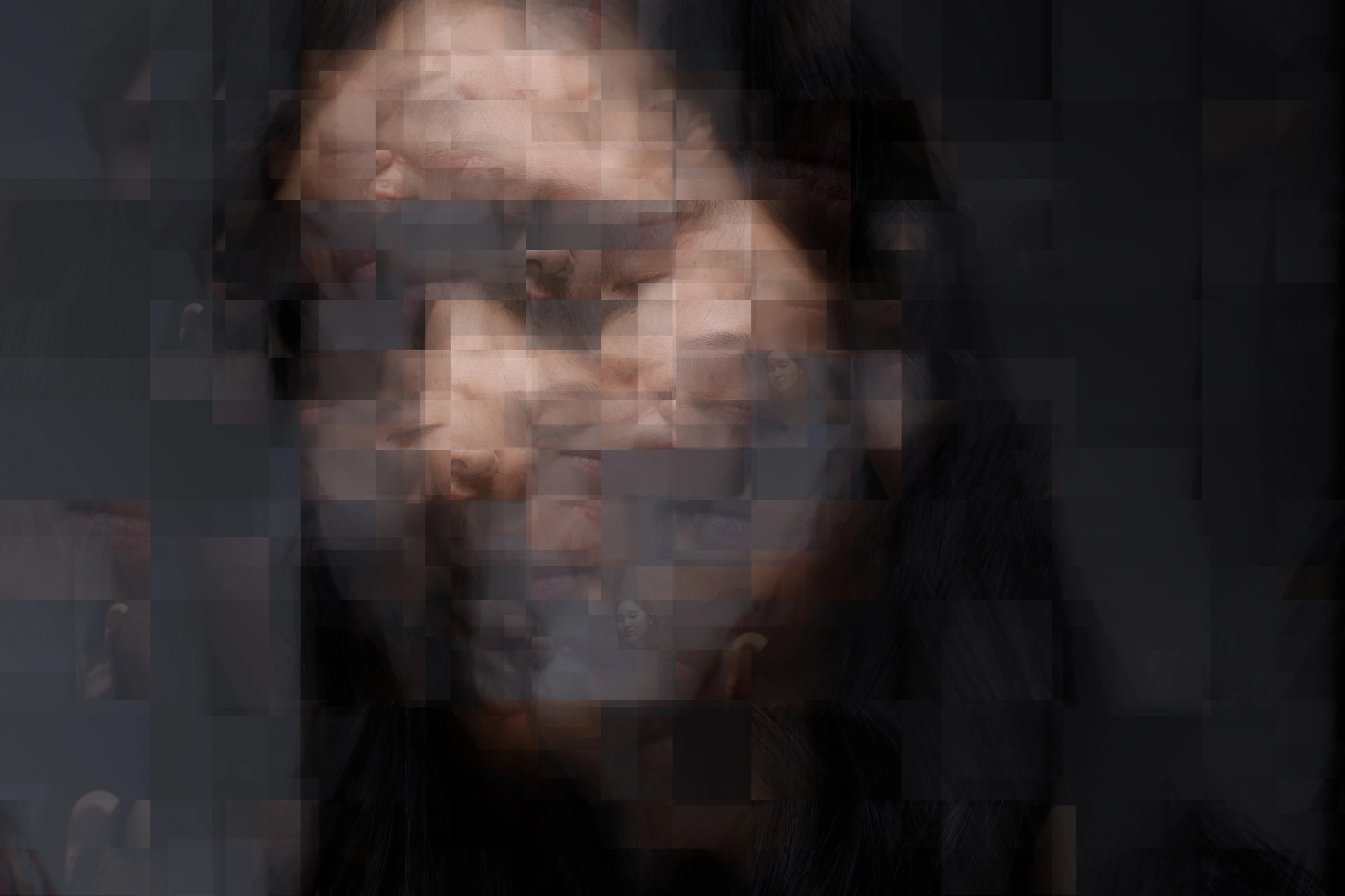
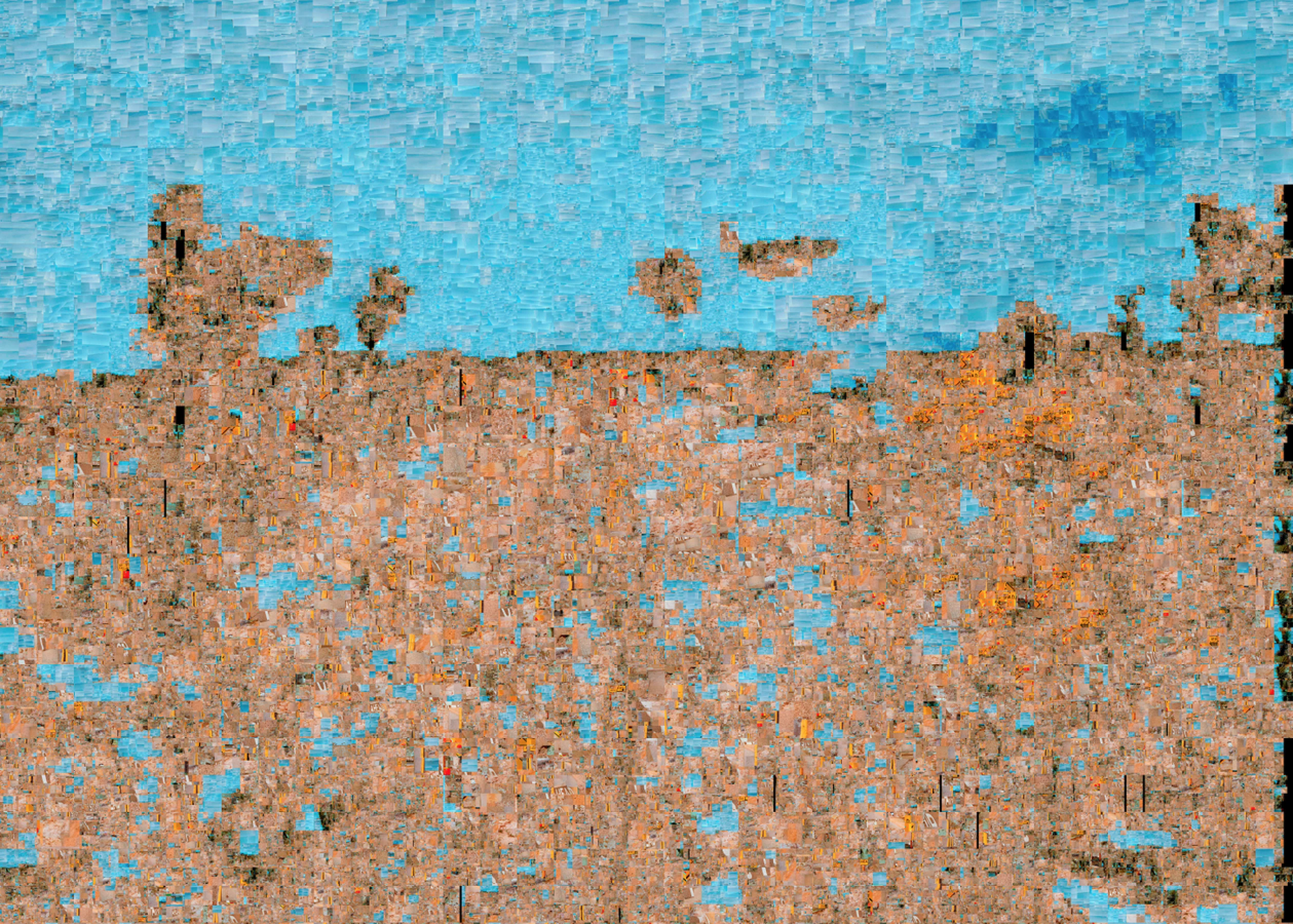
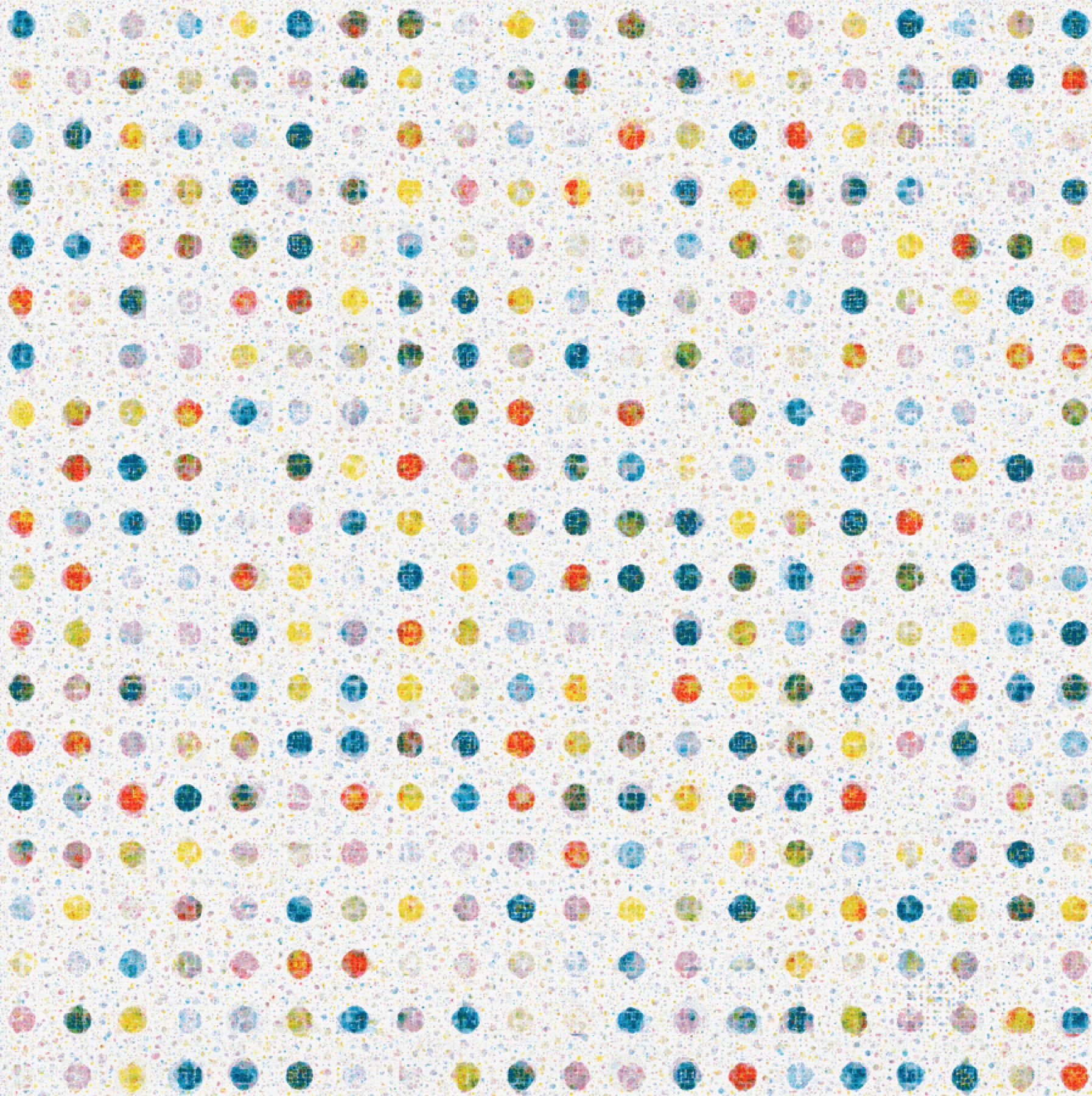
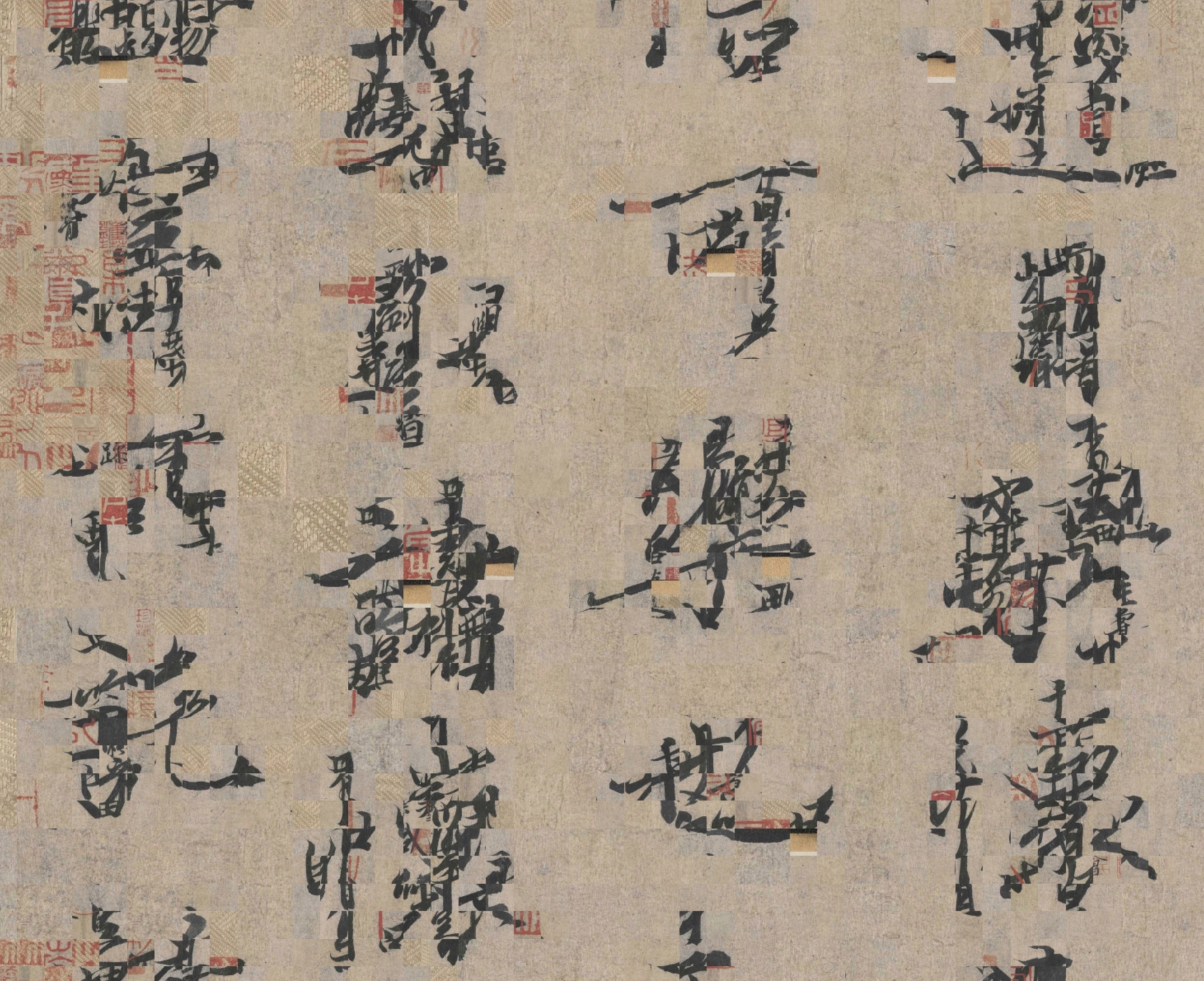
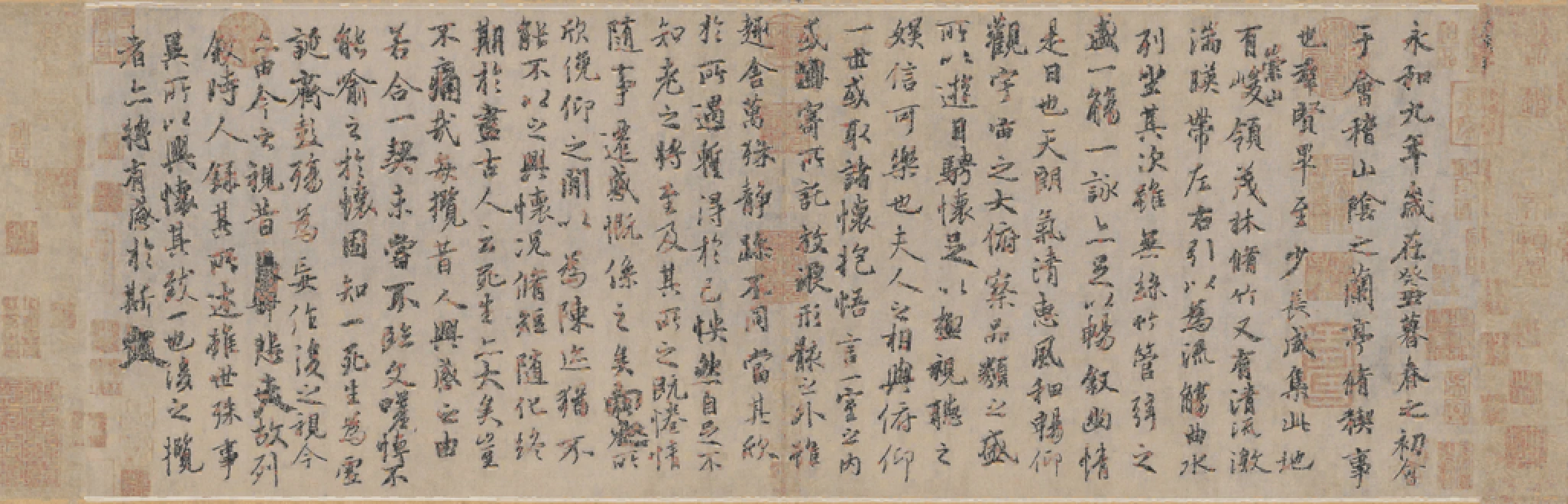
From pages 11–19 and 22–23 of He Fa Portfolio 3. Works sharing the same title are identified by source page, without inventing original edition numbers. Page 23 is labelled “Wu (detail)” and includes a detail and an extended composition; the source does not specify its version relationship to the other works. Wu is the pinyin form of the Chinese title 无.
BETWEEN OBJECT AND IMAGE
From a co-created lamp to catalogue photography and another photographic work. Each passage retains its own identity.
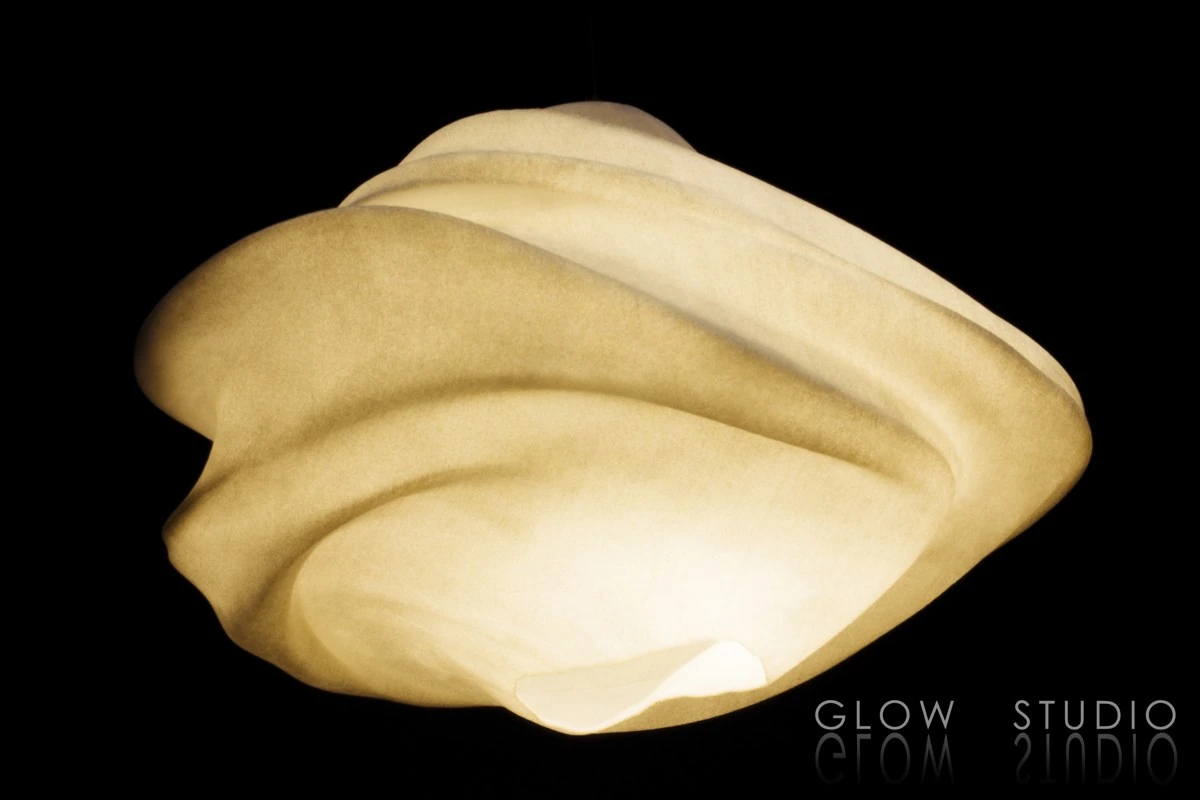
An object
Light emerges through the surface and openings. This is an original photograph of The Yellow River Flows Backwards, illuminated.
Open the work record ↗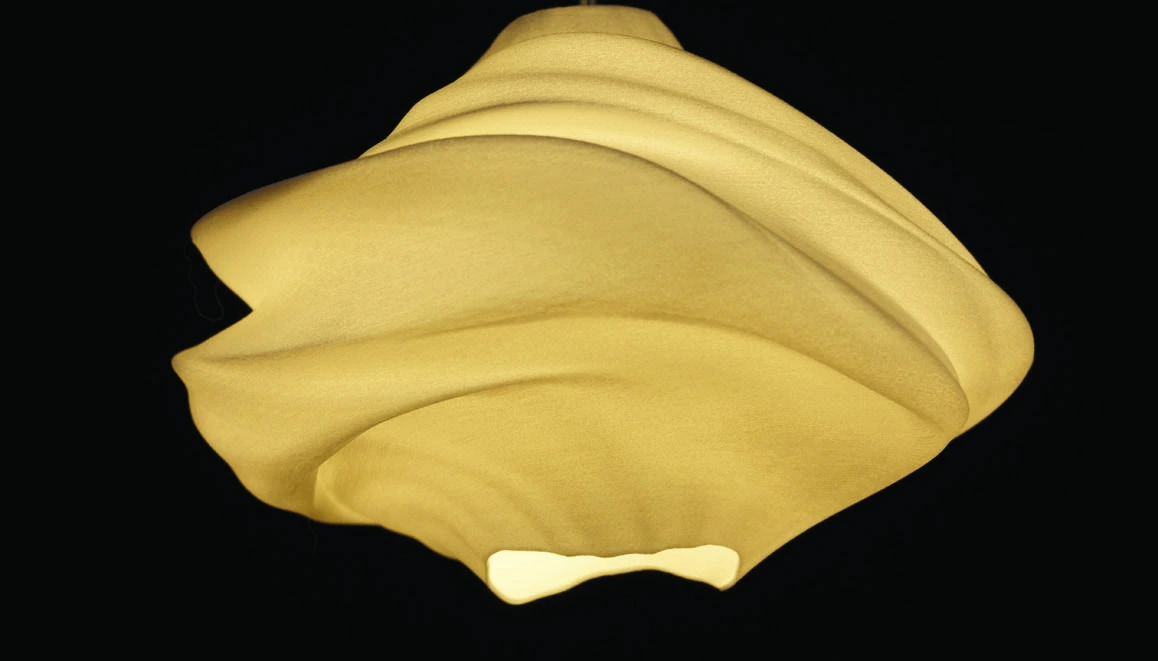
In a publication
The work enters a catalogue. Photography, framing and a sequence of pages establish another viewing distance. Shown here is the photographic image from the catalogue.
Open the work record ↗As photography
The Twelve Water Lamps series also becomes a photographic subject in Wu. This page has the photographic work’s own title, medium and dimensions. The passage follows the series; it does not identify all three images as the same lamp.
Open the work record ↗CLOSE READING / 2026 CURATORIAL INTERPRETATION
Within whose chosen frame does free growth occur?
ARTIST’S STATEMENT · PORTFOLIO EXCERPT
I did not exercise any control; I simply let them grow freely.
Statement in the artist’s portfolio; distinct from this page’s interpretation
From pages 11–19 and 22–23 of He Fa Portfolio 3. Works sharing the same title are identified by source page, without inventing original edition numbers. Page 23 is labelled “Wu (detail)” and includes a detail and an extended composition; the source does not specify its version relationship to the other works. Wu is the pinyin form of the Chinese title 无.
Editorial translation of the Chinese portfolio statement.
Check the work record and source documents ↗Wu does not name a tidy style. Different objects enter experiments in repetition, division, blur and recombination, while the title suspends the usual job of defining an image. Two actions in one statement deserve attention: choosing a familiar landscape composition and then letting photographs grow freely. The frame has already made a decision; the fragments can still produce something unknown. This is not a contradiction to explain away, but a condition through which the work operates.
Other works under this title photograph Twelve Water Lamps against black, returning luminous curves to a flat image. Objects emerge through images and rules and then become photographic material again. This loop interrupts a one-way chronology of photography, then design, then theatre. A presentation should retain those returns and identify each image’s date, medium and dimensions. A shared title does not prove a shared algorithm or a single original intention.
Works sharing a title are not forced into one object. The claim of no control is not treated as a verified technical account.
Based on He Fa Portfolio 3, p. 11, and the water-lamp photographs retained in the 2015 portfolio preparation materials.
Wu, 2013–2014. Archival inkjet print. He Fa’s role: Artist: He Fa.
Cite this record: Wu · 2013–2014 · Artist: He Fa · https://hefa.p4theater.cn/en/work/wu-2013-2014
TAKE A PATH ACROSS
Rules and choices
WuAppearance Arises from the Mind
Appearance Arises from the Mind explicitly uses cropping, scaling and subjective composition; Wu places free growth within a familiar landscape layout. Together they reveal different authorial choices rather than a natural progression from control to its absence.
The 2012 thesis Looking for Shanshui Photography describes cropping, scaling and subjective arrangement, and proposes possible extension into a long scroll; the length is hypothetical.
The portfolio statement retains both the choice of a familiar landscape composition and the declaration of free growth; it does not establish the absence of artistic decisions.
Rules and choices
Shanshui makes separate acts of framing visible between the whole and its details. A statement for Wu describes free growth within a familiar landscape composition. Both sustain a landscape form: one reveals differences in looking, while the other places a chosen frame beside a declaration of openness.
The statement on defence page 7 describes an experiment with 1,025 Siguniang photographs, combining different viewpoints as traces of walking; that number is not generalized to every work.
The portfolio statement retains both the choice of a familiar landscape composition and the declaration of free growth; it does not establish the absence of artistic decisions.
Language in transit
WuGewu Studio / Twelve Water Lamps
Twelve Water Lamps turns the study of water paintings into surfaces that can be lit. Some images titled Wu photograph the lamps, returning them to a plane. Media move in both directions here, while using a lamp and viewing its photograph remain different experiences.
The 2012 graduation Product Catalogue records the lamps, white 3D-printed nylon and a 220V/5W source; it grounds the object and luminous structure, not ambient illumination.
Pages 23–25 of the 2015 preparation PPT title lamp photographs Wu, dated 2014, inkjet print, 120×120 cm; photographs and objects are catalogued separately.
FROM HERE, ELSEWHERE
Free growth takes place within an already chosen landscape composition.