LINE OF INQUIRY 04 / 07
When can it end
Does preserving a version also close the case?
Abandonment, deadlines, a curtain call and an edit can all produce endings. Each draws a boundary around something that could continue, but they are not equivalent endings.
01 / EDITORIAL ARGUMENT · 2026
Reading through this question
Stopping production, proposing another part, ending a performance and delivering an edit are different endings. Shixiang’s proposal leaves eight and a half parts, but lives did not complete its sequence. A film can have a final frame without ending its participants’ subsequent lives. Keep the time of a proposal, an event, an edit and a later viewing distinct: a work can be seen again without the original encounter recurring.
02 / THE ARTIST LOOKS BACK · ESSAY SUPPLIED IN 2026
These complete passages are from He Fa’s How Does a Hole Become a Theatre?, supplied on 16 September 2026. They are later reflections, to be read alongside records made within the works.
Shixiang never completed its planned eight and a half parts. I left the place where we had worked together and moved the theatre into a twelve-square-metre room in Wangjing.
Editorial noteThe statement that the sequence was not completed must remain visible beside the proposal. A complete plan is not evidence of completed implementation.
Human Surrender was the closing work of P4’s experimental theatre period. People had to leave. Life had to go on. I wanted the film to be finished. It needed a length of its own, an order, a last image. I couldn’t keep putting off the ending forever by invoking how precious the process was.
Editorial noteThis passage describes the need to finish the film; paragraph 117 later states that editing is not finished. Retain the status at the time of writing; verify current release or editing status against the latest version records.
03 / WORKS AND PERIOD RECORDS
Return to the works and records
- The three-part film proposal of June 2023 ↗
Return to the pre-production text to compare the proposal with later material, without assuming they coincide.
- Yun Jianhui: long-form account and circulation edit ↗
The long account and circulation edit offer different viewing durations. The shorter version is not a whole life.
Works and writing
Follow works back to signed texts, with writing at the time, later reflection and participant accounts identified separately.
Imaging with You: The Unowned Second Person and Non-Sovereign Spectatorship in Human Surrender / Shoot Self with You
Reading connectionIn this 2026 study, He Fa follows close views of eyes, cameras caught on camera and end-credit archives to ask what position proximity and replay give the viewer. The two titles open another route: shifts between self and you lead back to particular bodies, voices and moments of waiting.
Related works: Human Surrender / Shoot Self with You
On Burning the Moon, on What Love Is, and on Illusions of Brokenness and Wholeness
Reading connectionXu Shuai connects these works through his involvement in Human Surrender and the production retitled from Burning the Moon to Breaking the Moon. Written before the 2023 performance, He Fa’s account follows changing personnel and rehearsal schedules toward the anticipated 16 December presentation, while the work is still taking shape.
Related works: Breaking the Moon · Human Surrender / Shoot Self with You
P4’s Final Chapter: The Last Rehearsal — Love, Death and Human Surrender
Reading connectionThe 2023 announcement links writings by performers, a documentarian and musicians, alongside plans to record the public event for the film. Following these links back from the film reveals how different people prepared for the same gathering. The invitation, their individual voices and the later images remain available together.
Related works: Human Surrender / Shoot Self with You
A Recruitment Text for Human Surrender
Reading connectionIn the 2023 recruitment text, He Fa proposes three filming arrangements: a stage long take, following performers into daily life and recording a real public performance. This initial plan shows the film beginning to gather people, assign roles and leave room for the unforeseen, with filming already part of rehearsal and shared time.
Related works: Human Surrender / Shoot Self with You
Open Call: Step Outside the Everyday
Reading connectionCo-signed by Yuyu Yumu and He Fa, the article moves from a Personal Chronicle interview to Yumu’s own Thirty-Three Lives proposal. She seeks eight collaborators to write fictional lives spanning more than two thousand years. The person being recorded issues a new invitation, preparing to initiate a shared writing project.
Related works: Personal Chronicle / PHA
Theatre and Fear: Personal Chronicle — Offering Our Future
Reading connectionThe 2023 Personal Chronicle manifesto connects a long interview, a circulation edit, project initiation and a public presentation through explicit agreements. Recounting a past becomes a starting point for inviting others into future action. The rules also address when recording begins and ends, and how relationships within creation remain distinct from daily life.
Related works: Personal Chronicle / PHA · P4 Theater
Sixteen Days and Nights at P4: The Cocoon Performance
Reading connectionWritten before Cocoon’s 2020 performance, this account moves from scheduling into continuous rehearsal. Falls, fatigue, lateness and mutual judgments share the same days as performing, lighting, documentation and publicity. Alongside stage images, the article records how bodies bear the work of production and how many people prepare a single performance.
Related works: Cocoon
2012–2014 · Archival inkjet print
Untitled ↗

WHAT CHANGES HERE
The artist stops after repeated rejection; stopping becomes a condition of the surviving version.
Artist: He Fa
Can abandoning an image also be a way of completing it?
In the dense black-and-white image, fragments accumulate inside a containing rectangle. The time of making does not close neatly with a triumphant completion date. Abandonment preserves an unresolved relation between maker and outcome. The displayed image is not evidence that all its problems were solved. It is a version allowed to remain, bringing rejection, exhaustion and stopping into the work’s visible history.
Continue the close reading ↗2016 · Collective theatre, GIF and text
Shadow Counterpoint ↗
WHAT CHANGES HERE
The live event becomes looping GIFs, transforming succession into fragments that can be repeatedly entered.
Named collaborator; collective P4 creation
Once a live event loops, does its viewer follow the same time?
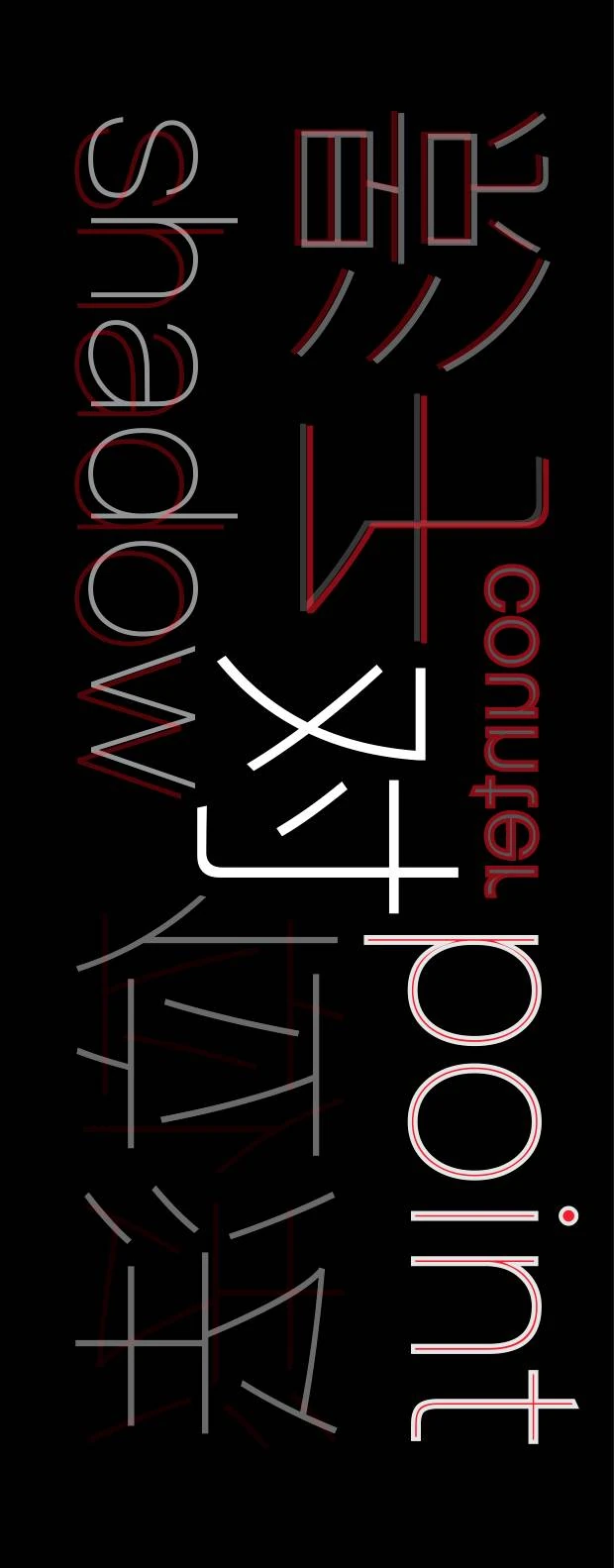
Questions of disappearance, encounter and recognition recur in the text, while GIFs repeatedly return actions within their own small loops. The one-time duration of the stage is broken apart. A viewer can stay with an action for a second or third occurrence, or encounter several fragments running together on a page. This is more than an abbreviated record of a performance: it is a public form that rearranges waiting, expectation and recognition.
Continue the close reading ↗2020–2021 · Theatre, rehearsal and documentation
The Rooftop Howler ↗
WHAT CHANGES HERE
After a single public performance, differing participant accounts continue to reshape its history.
P4 organizing and 3P documentation
Does participating in a work mean agreeing with it?
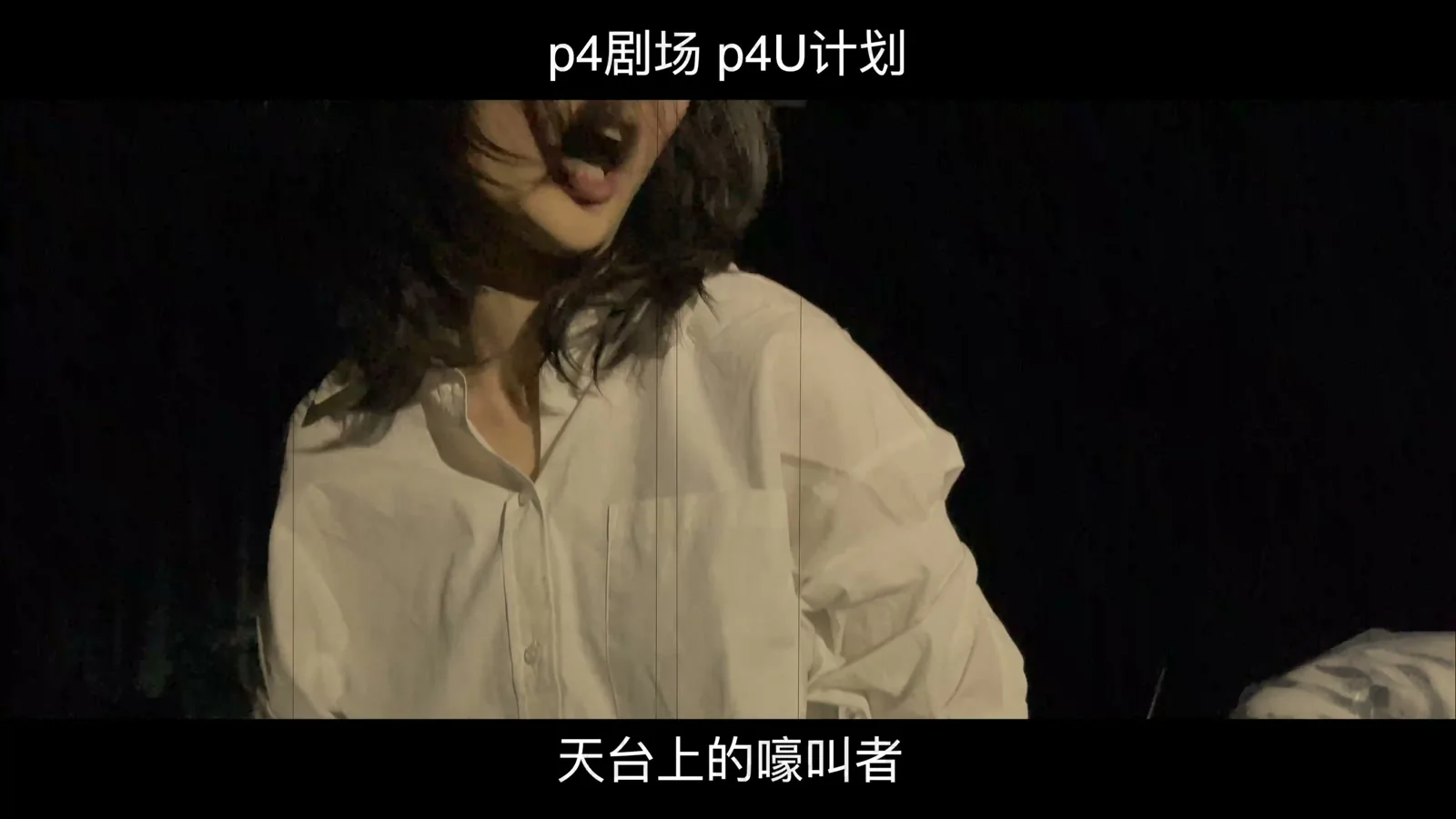
A character who keeps howling makes the fictional city ask what his voice means. Discussion around the production returns that question to its making: who can speak, whose views alter the structure, and who stays chiefly to complete the performance? The published interviews are valuable because they do not polish every experience into the same story of growth. Some value the company more than the script; others leave more certain that they want a different kind of theatre.
Continue the close reading ↗2023 · Interview archives, collective creation and public documentation
Personal Chronicle / PHA ↗
WHAT CHANGES HERE
An interview, a project and a public report have different endpoints; a life does not conclude when a project does.
Author of the framework and declaration; P4 project organisation
How can recording a person enable them to initiate something?
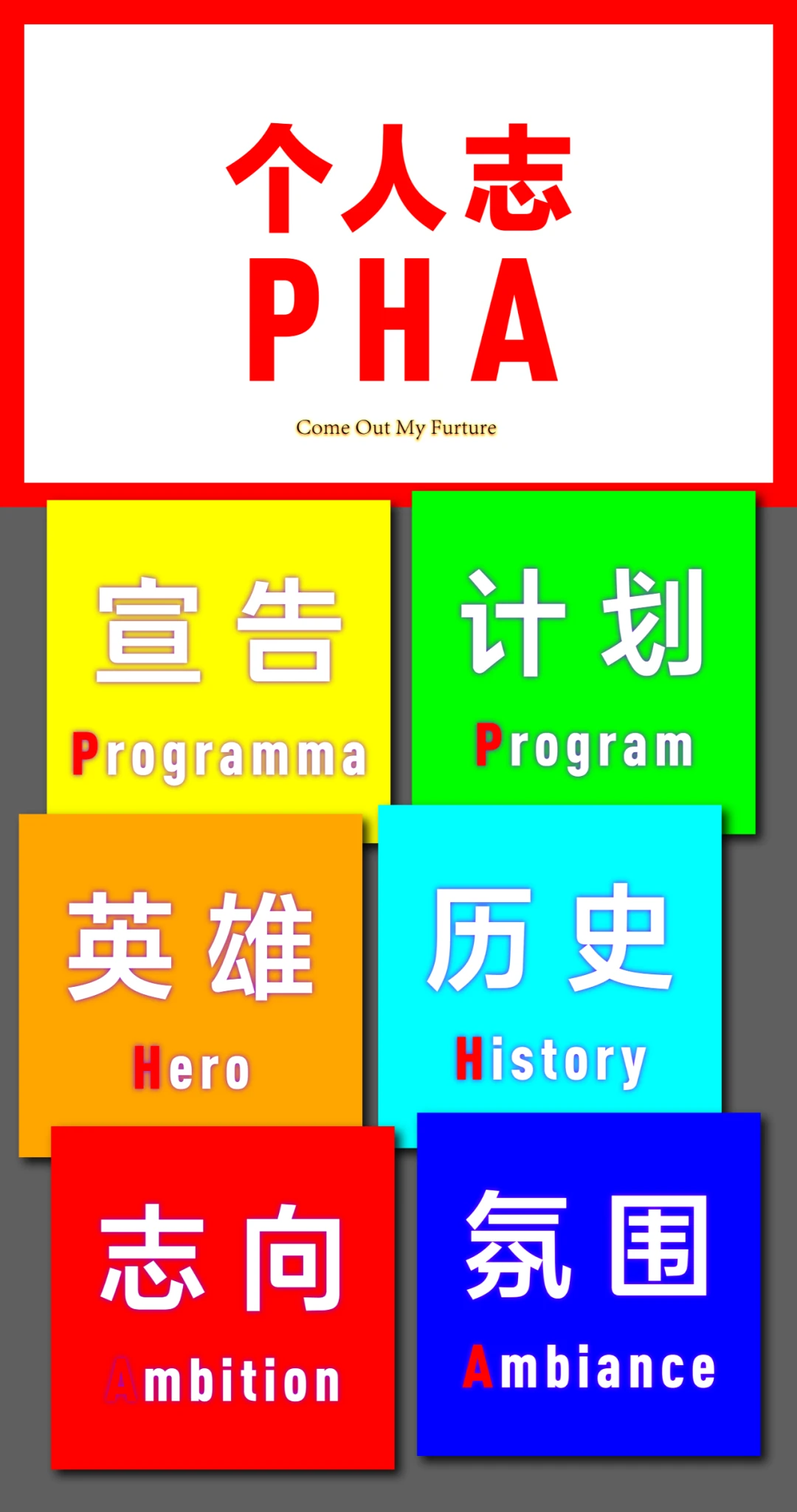
Personal Chronicle removes life-writing from the résumé’s retrospective format. A narrated past and a desired future share an interview. The record need not merely certify a finished history; it can supply material for a new invitation. Someone listened to by a camera can then become someone inviting others to act. The important shift is this exchange of positions, not an assumption that a long interview is inherently truer than a short video.
Continue the close reading ↗2023–2024 · Film, rehearsal, live performance
Human Surrender / Shoot Self with You ↗
WHAT CHANGES HERE
The film orders rehearsal and live material. Its preservation of collective work need not reduce it to one voice.
Initiator, producer and editor; direction and screenplay collectively created by the crew
When shared experience becomes a film, who can still answer within it?
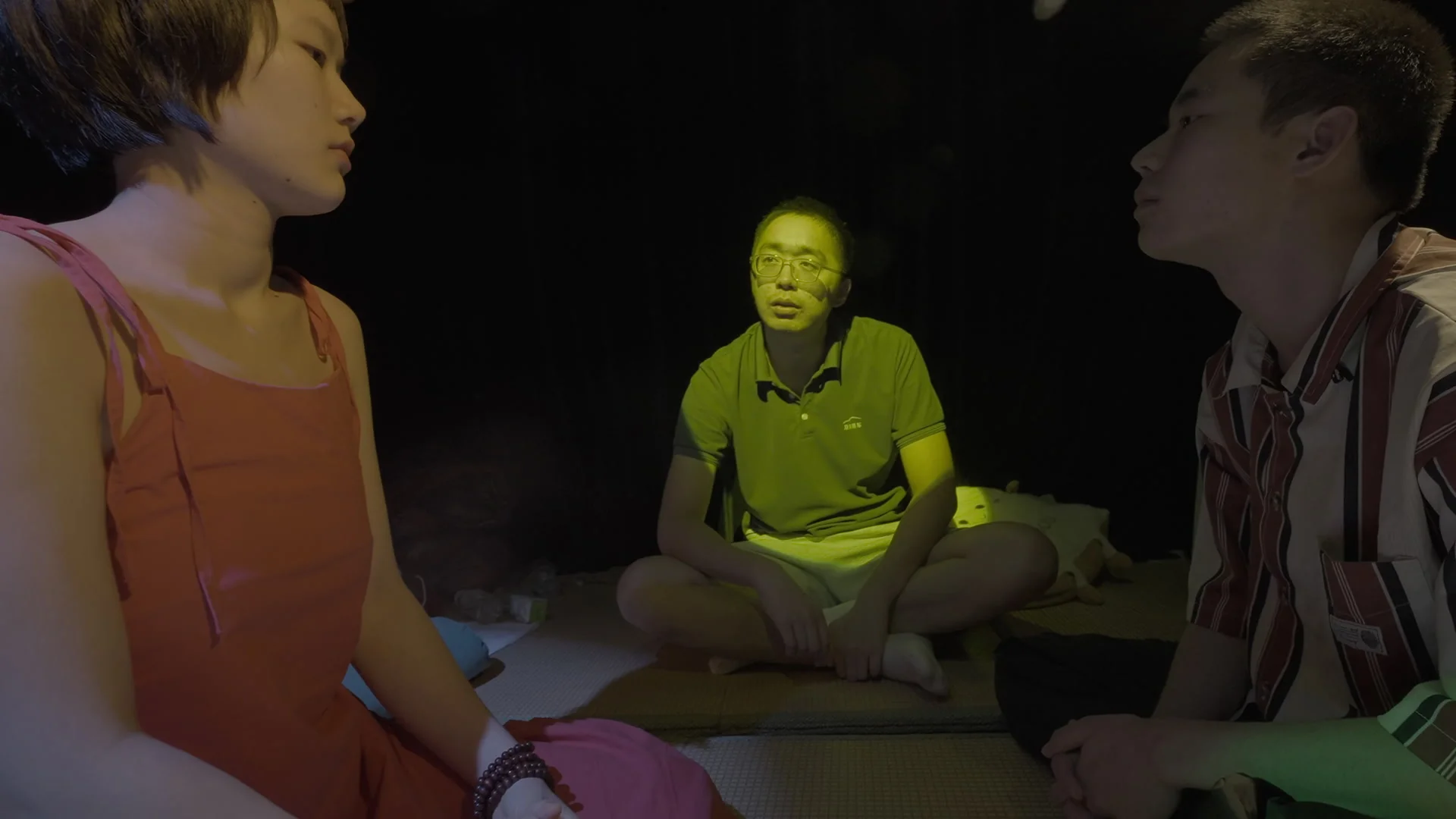
The film overlays the reciprocal looking of rehearsal with the gaze of later viewers. Cameras are present from the outset, and people know their actions may become future images. The camera is therefore not a transparent witness outside the event. The collective direction and writing credits extend this relation into authorship: shared experience is not absorbed under one director’s name, while He Fa’s initiating, producing and editing work remains specifically identifiable.
Continue the close reading ↗ANOTHER QUESTION STARTS HERE